.webp)


If you’ve started researching kitchen remodel costs in Long Island, you’ve probably seen numbers all over the place , Some articles mention $40,000, while others reference projects exceeding $150,000. That wide gap can feel confusing, especially when you’re trying to plan responsibly and avoid unpleasant surprises.
What most homeowners don’t realize is that kitchen remodel pricing isn’t just about cabinets and appliances , it’s about layout, lifestyle, longevity, and the invisible decisions that shape how the kitchen functions every single day. This guide breaks down what really drives kitchen remodel costs in Long Island, why the range exists, and how to understand where your project realistically falls , so you can move forward with clarity instead of guesswork.
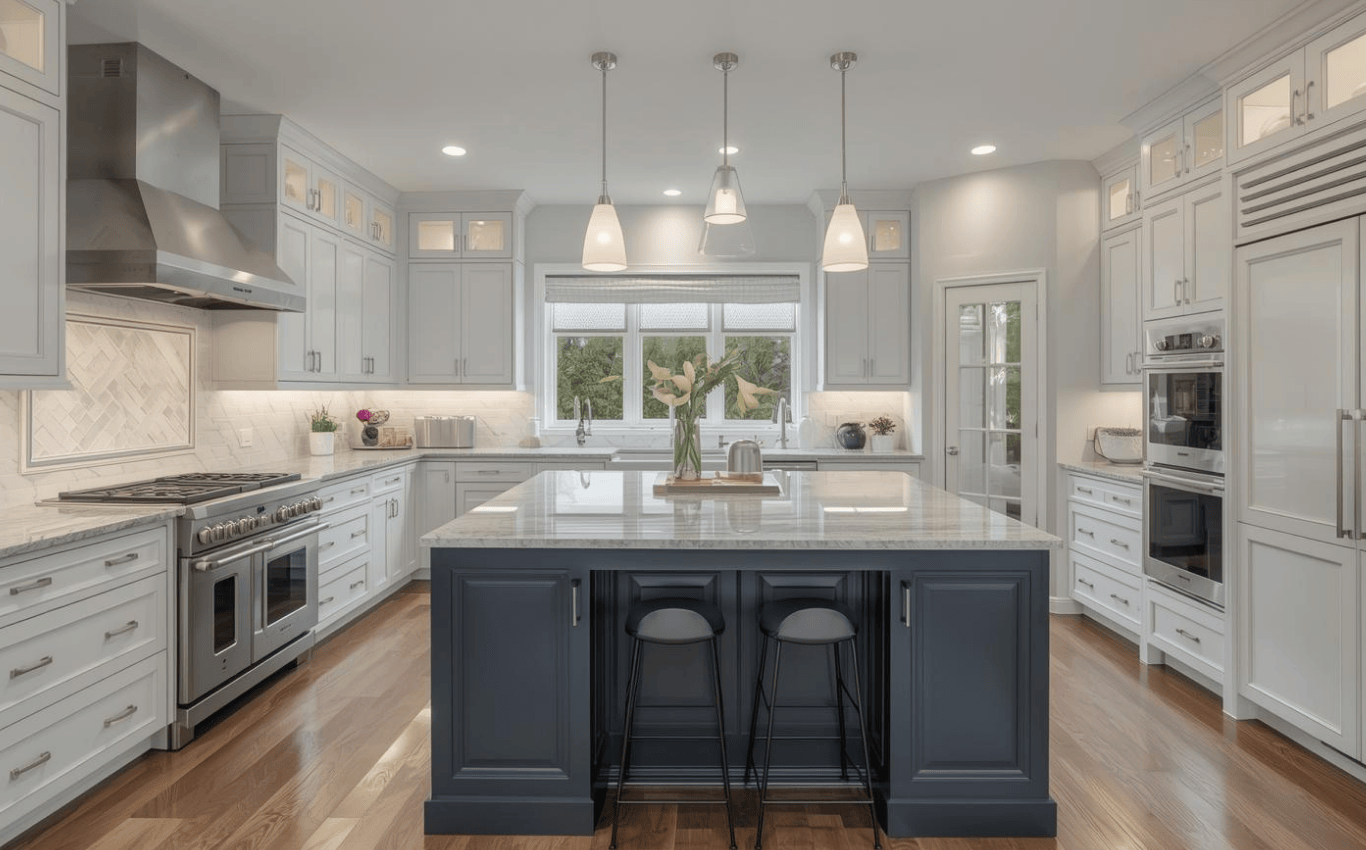
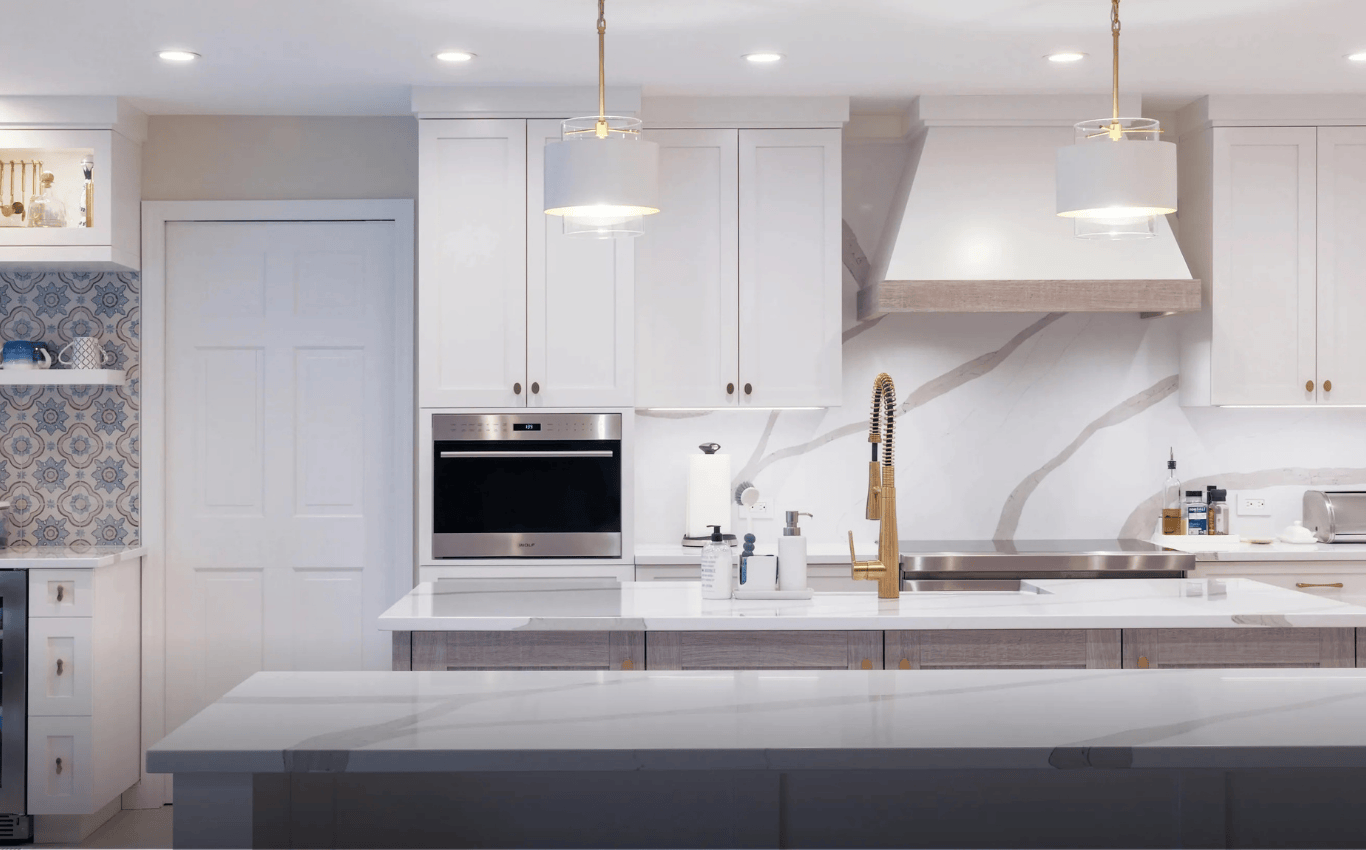
A kitchen remodel in Long Island can land anywhere from $50,000 to well over $150,000 because no two homes or homeowners are the same. Factors like the age of the home, the existing layout, and the level of customization required all play a role in determining cost.
A $50K kitchen remodel typically focuses on surface-level updates rather than major structural or layout changes. These projects usually maintain existing plumbing and electrical locations.
This is often where homeowners later realize that visual upgrades alone don’t solve workflow issues highlighted in The 60-Second Kitchen Test: How to Tell if Your Layout Is Actually Working, which shows how design efficiency affects daily use.
Between $75K and $110K, homeowners start seeing meaningful improvements in both performance and appearance. This is where semi-custom cabinetry, upgraded materials, and selective layout adjustments come into play.
At this level, thoughtful planning begins to reduce daily stress a concept explored in The Kitchen as a Control Room: How Design Reduces Daily Decision Fatigue, where kitchens are designed to support routine rather than complicate it.
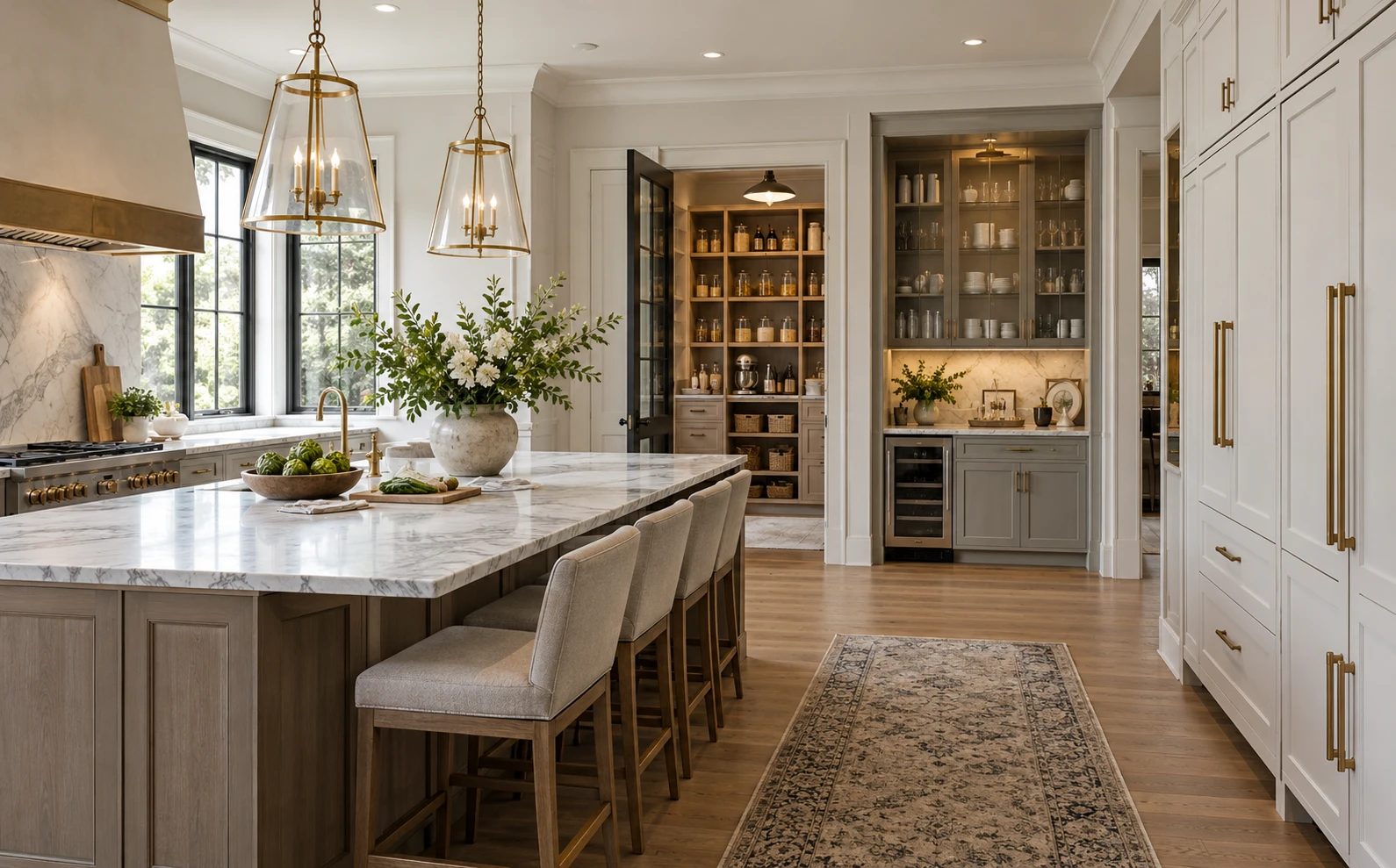
Luxury kitchens exceed $150K because of precision, not excess. These projects often involve reworking the layout entirely, structural changes, and fully custom solutions.
As explained in Why Spacious Kitchens Are the Heart of Modern Luxury Homes, creating openness and balance often requires architectural coordination, especially in older Long Island homes.
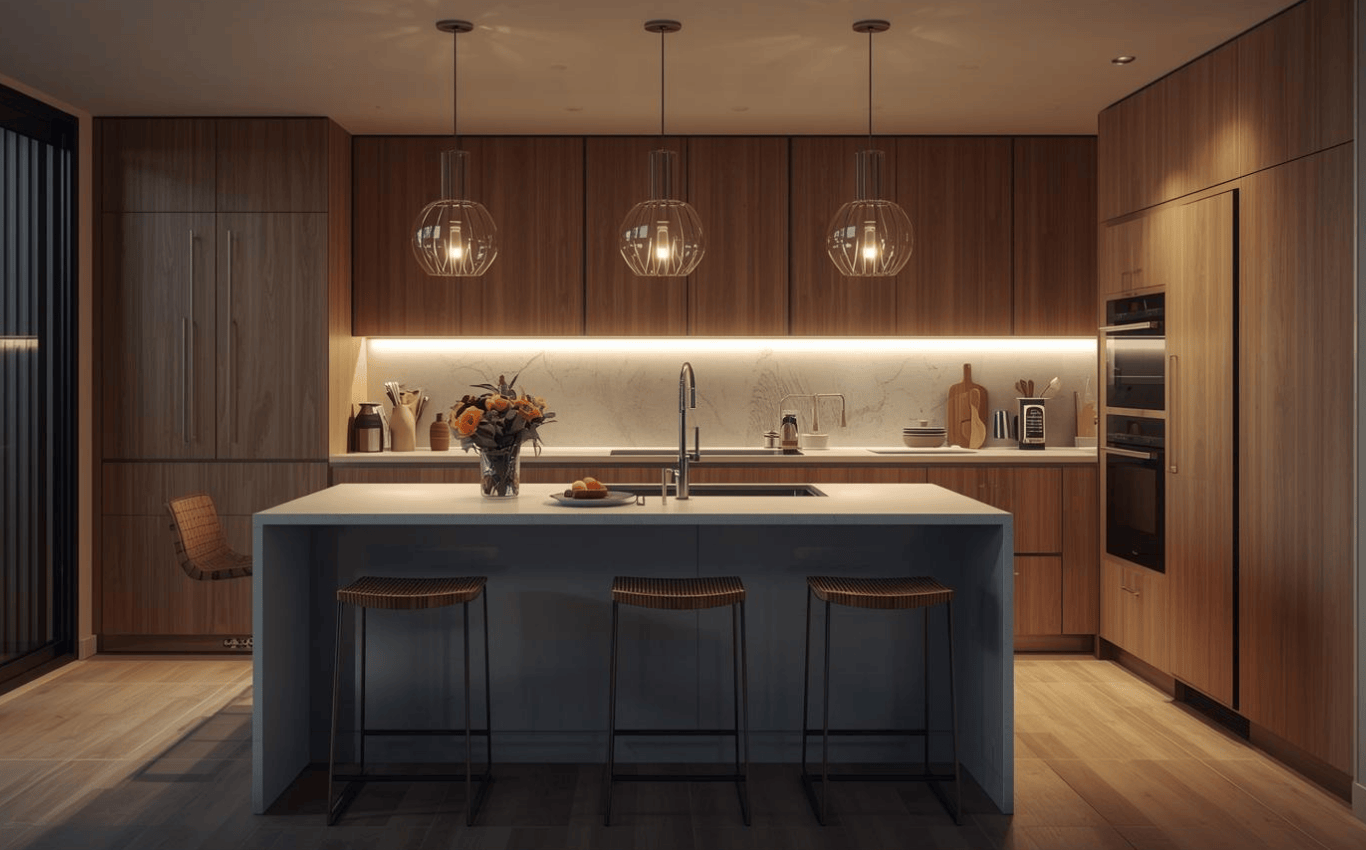
Many homeowners assume finishes drive cost, but the most impactful factors are often hidden behind the walls or baked into early planning decisions.
Moving walls, reconfiguring islands, or adjusting ceiling heights significantly increases complexity. These changes often deliver the most long-term value by correcting inefficiencies that can’t be fixed cosmetically.
Designing kitchens that feel calm and intuitive, Even late at night often follows principles discussed in The 3:00 AM Kitchen: Designing for Quiet, Safety, and Calm.
Professional design planning is frequently misunderstood as an optional expense, yet it often prevents costly mistakes and redesigns.
Investing in professional kitchen design services ensures layout, materials, lighting, and storage work together cohesively - not in isolation.
Higher-quality materials typically cost more upfront but reduce maintenance, wear, and replacement over time.
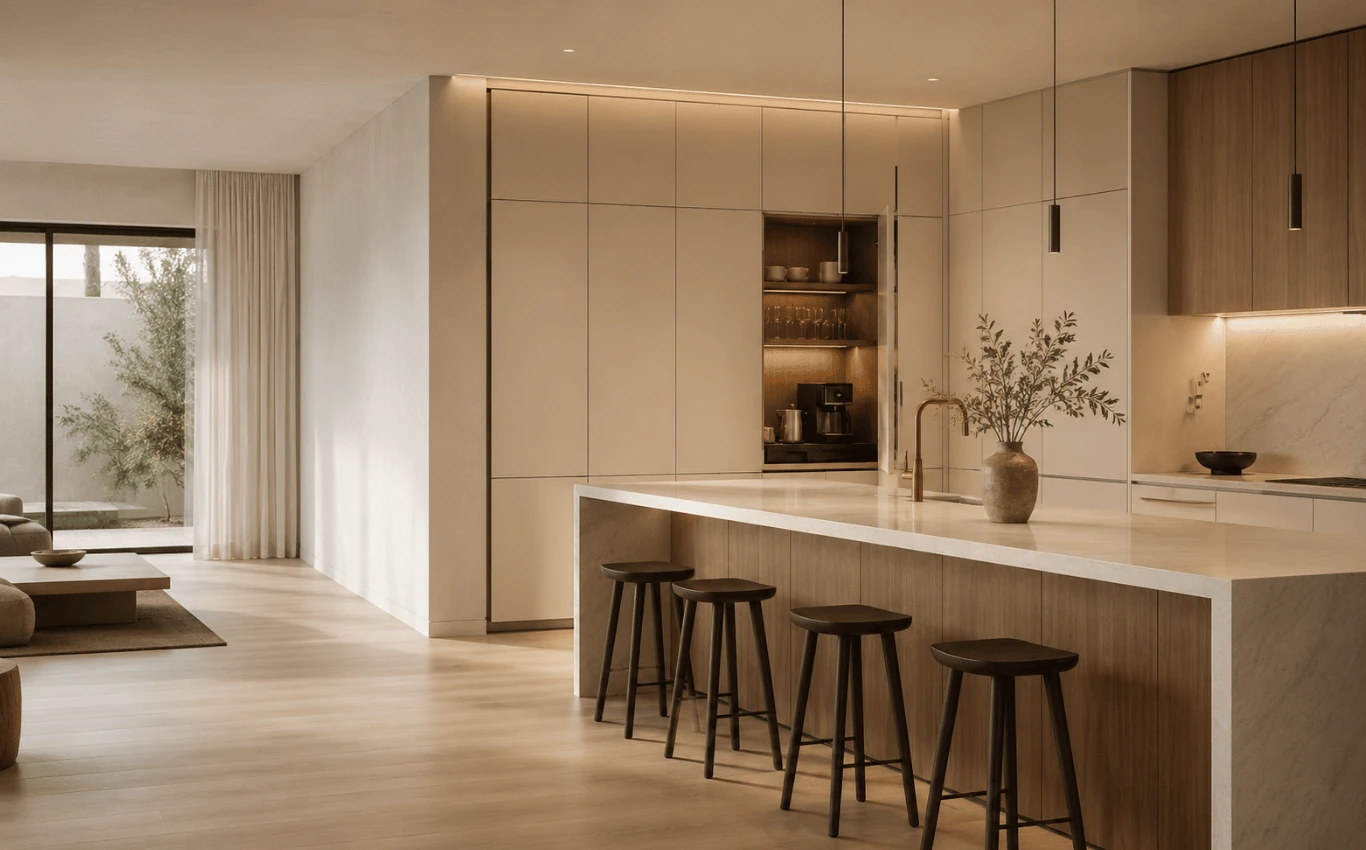
This long-term thinking aligns with Warm Modern vs. Classic Luxury: How to Pick a Kitchen Style You Won’t Regret in 10 Years, which explains how timeless choices protect your investment.
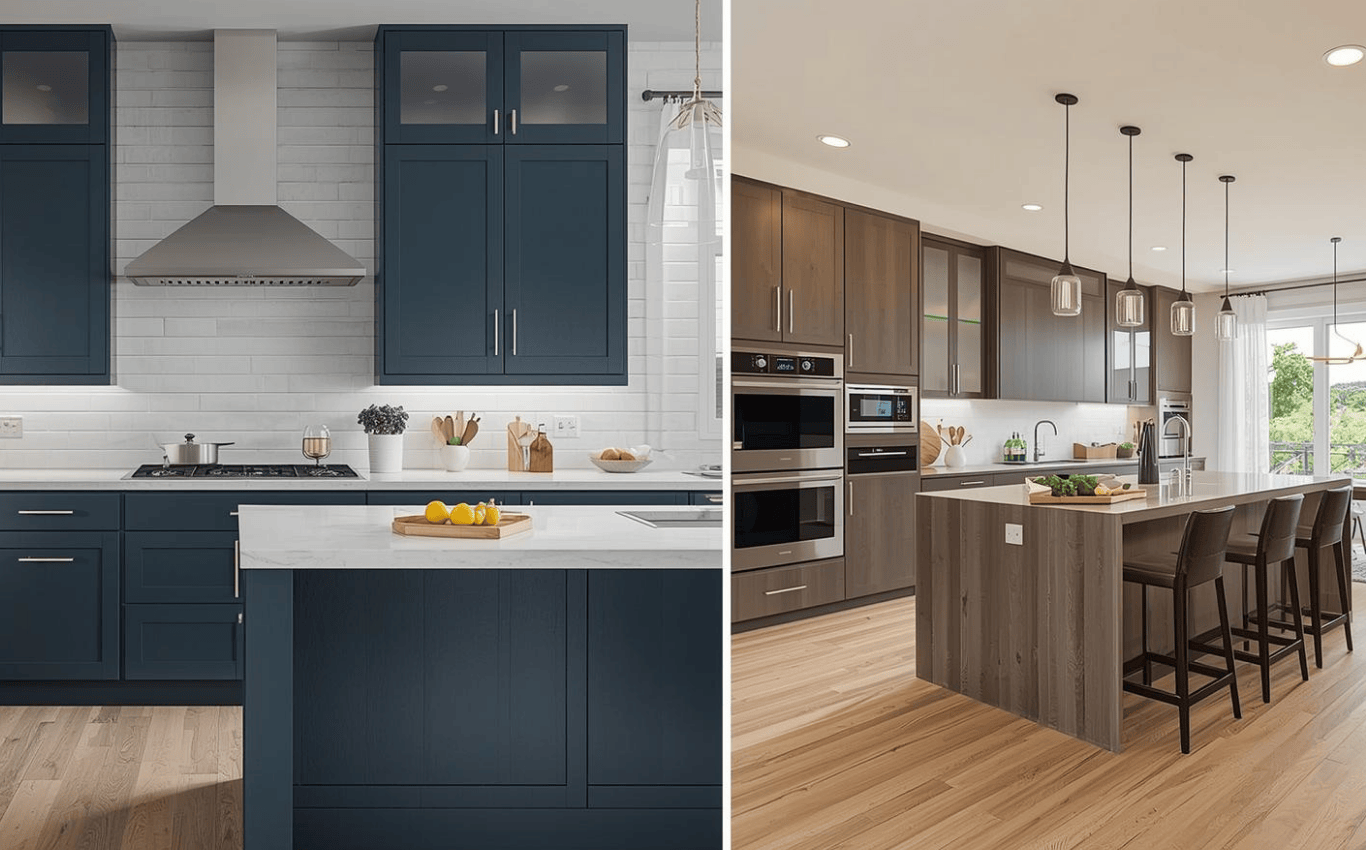
Two kitchens of the same size can have vastly different costs depending on how they’re used day to day.
Homeowners who cook regularly benefit from upgraded ventilation, durable countertops, and efficient storage systems.
These decisions are deeply connected to behavior, as explained in The Chef’s Psychology: How Kitchen Layout Shapes the Way You Cook.
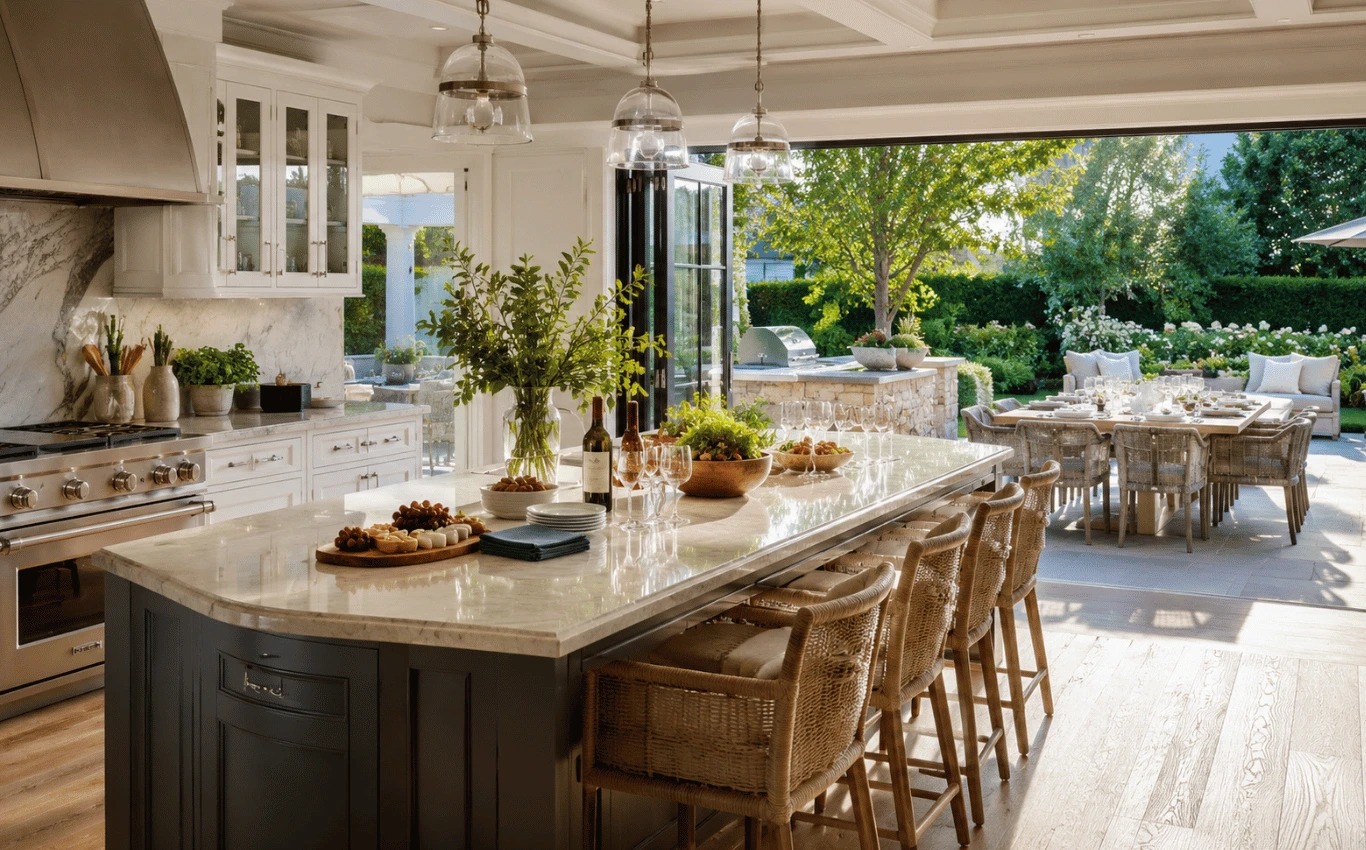
Kitchens designed for hosting often require larger islands, integrated appliances, and seamless transitions into adjacent spaces.
Many of these ideas can be seen throughout Jeff Boico’s kitchen design portfolio, where kitchens function as gathering spaces rather than isolated rooms.
Designing for resale, aging in place, or future technology often increases initial costs but prevents premature remodeling.
This mindset reflects insights from Life After Smart Homes: What Kitchens in 2026 Do Differently, where adaptability becomes a defining feature of modern kitchens.
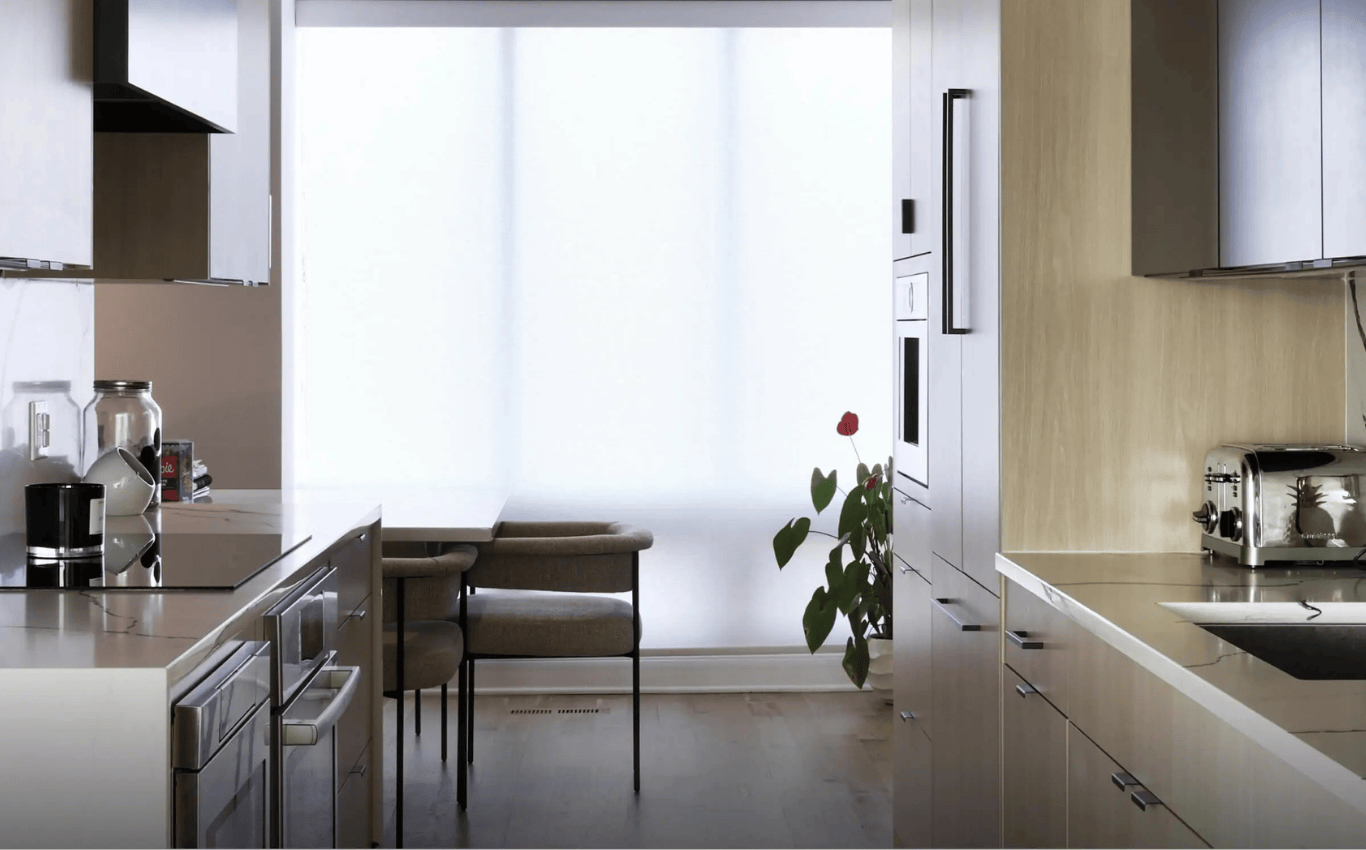
Understanding cost is only valuable when paired with clarity about outcomes.
Poor planning often leads to kitchens that look good but function poorly. Strategic design minimizes regret by aligning the space with real life.
This philosophy is central to custom kitchen Design Services in Long Island, where performance matters as much as aesthetics.
Higher-end kitchen remodels consider how the kitchen visually and functionally connects to the rest of the home.
You can see this consistency across real projects in the full design portfolio, where kitchens feel intentional rather than disconnected.
A clearly defined budget aligned with realistic expectations reduces stress, delays, and compromises.
In many cases, the biggest return on investment is confidence - knowing the kitchen will continue to serve your needs without constant fixes.
Kitchen remodel costs in Long Island range from $50K to $150K+ because kitchens are no longer just rooms, They’re complex systems that support daily life. Cost is driven by layout decisions, materials, lifestyle needs, and long-term vision.
When homeowners understand these factors, they’re able to invest wisely instead of reacting to arbitrary numbers.

Ready to Plan Your Kitchen with Clarity?
Get In Touch