.webp)


Learn how a well-designed kitchen functions like a control room—reducing mental overload through intuitive layout, smart zoning, and timeless design.



Modern life is full of decisions before the day even begins. What to make for breakfast, where to place your keys, which drawer holds the coffee filters, how to move through the space without bumping into others. Over time, these micro-decisions add up, quietly draining mental energy.
The kitchen, more than any other room in the home, can either amplify this fatigue or absorb it.
When designed intentionally, a kitchen functions like a control room , anticipating needs, simplifying choices, and supporting daily routines without demanding attention. Thoughtful kitchen design isn’t just about beauty or craftsmanship; it’s about reducing cognitive load so the space works for you, not against you. At its best, a well-designed kitchen feels intuitive, calm, and quietly supportive - allowing you to focus less on logistics and more on living.


Most homeowners don’t realize how much mental effort their kitchen requires until it’s redesigned. Poor layouts, unclear storage, and visual clutter force constant decision-making. A control-room kitchen eliminates that friction.
A professionally planned space, like those developed through Jeff Boico’s Kitchen Design services is built around reducing mental strain, not just maximizing square footage.
When everything is visible, nothing feels settled. Overloaded countertops, mismatched storage, and open shelving filled without intention create visual noise that demands constant attention. The brain subconsciously scans these details, increasing stress and fatigue.
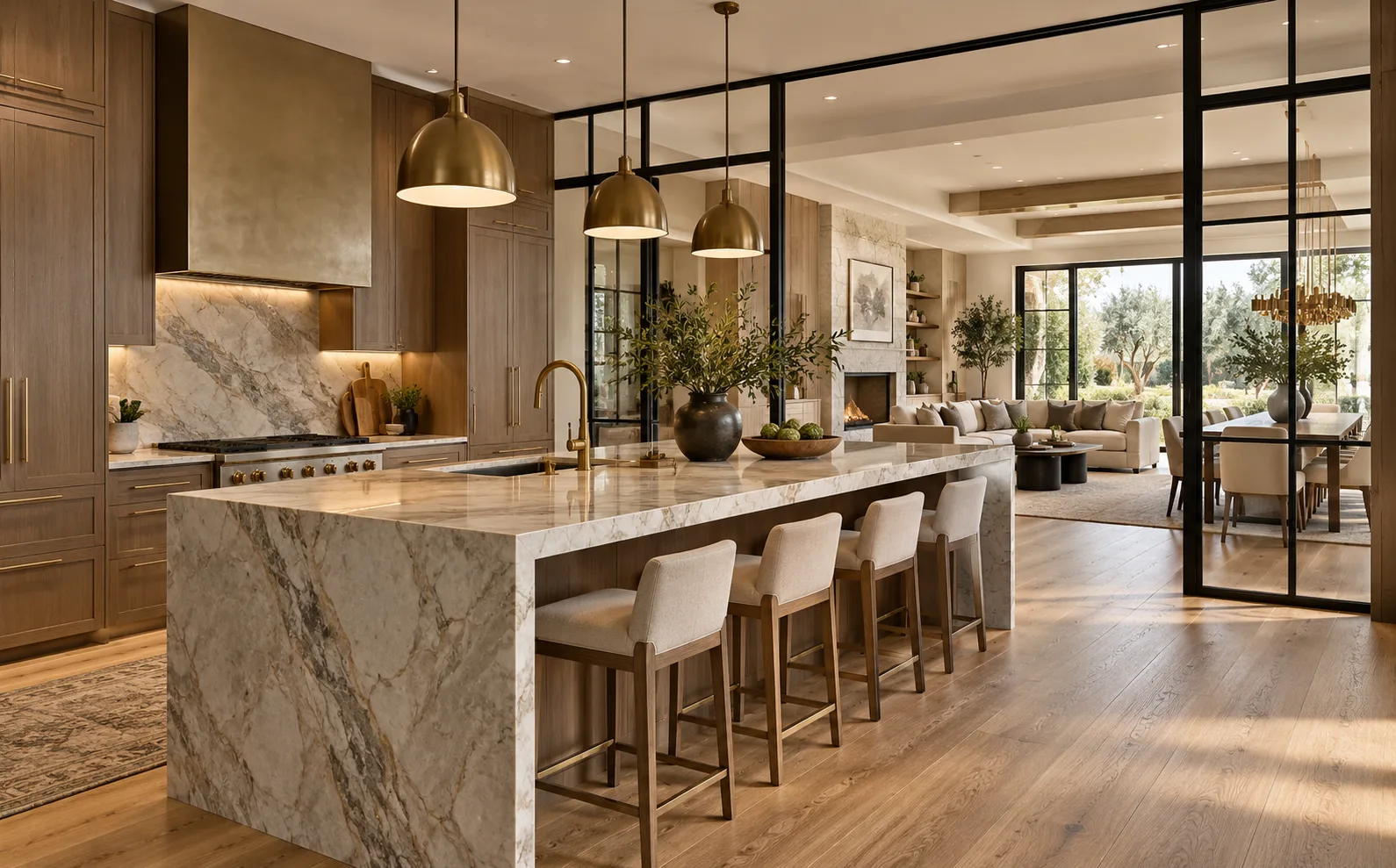
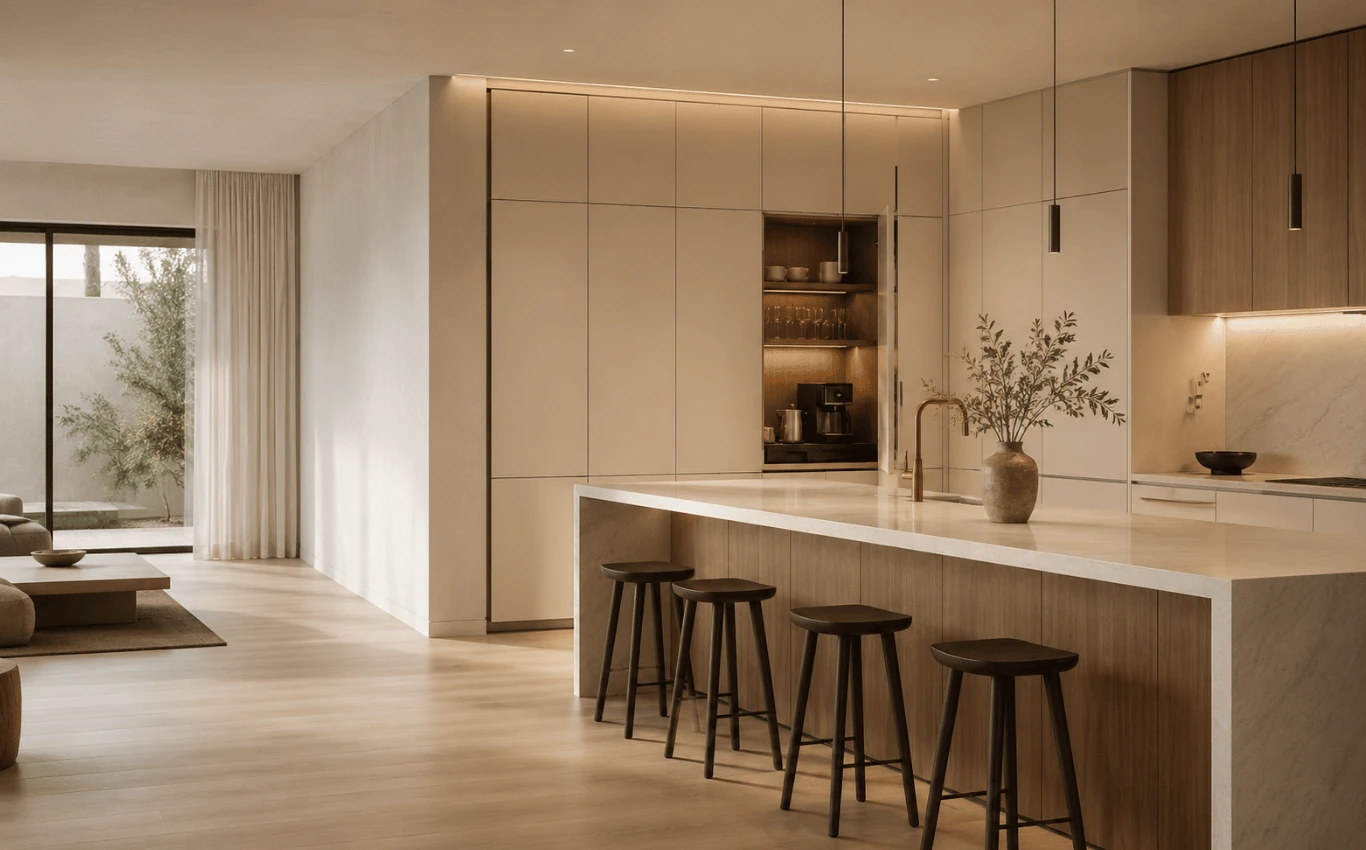
Well-designed kitchens rely on restraint. Clean sightlines, concealed storage, and purposeful negative space allow the eye and the mind to rest. This is one of the reasons kitchens such as the Nesconset, NY project feel calm even when in use: the visual environment is controlled, not chaotic.
Decision fatigue thrives in spaces where options are unclear. When drawers are overstuffed or zones overlap, every task becomes a question: Where does this go? Which cabinet should I open?
A control-room kitchen limits choices by design. Each zone has a clear purpose, and storage is tailored to habits rather than categories. This approach echoes ideas explored in What Makes a Kitchen Truly Custom? A Behind-the-Scenes Look at the Design Process, where personalization reduces friction instead of adding complexity.
When circulation paths cross awkwardly, every movement requires adjustment. Navigating around islands, opening appliances, or sharing space with others becomes mentally taxing.
Thoughtful kitchen layouts minimize interruption. Clear pathways and intuitive work zones allow movement without hesitation, transforming routine actions into automatic ones.

Just as a control room is organized by function, a high-performing kitchen is built around zones that support specific activities. This zoning strategy dramatically reduces daily mental effort.
Many kitchens are designed around appliances rather than behaviors. A control-room approach flips that logic. Cooking, prepping, cleaning, and gathering each receive their own defined zones.
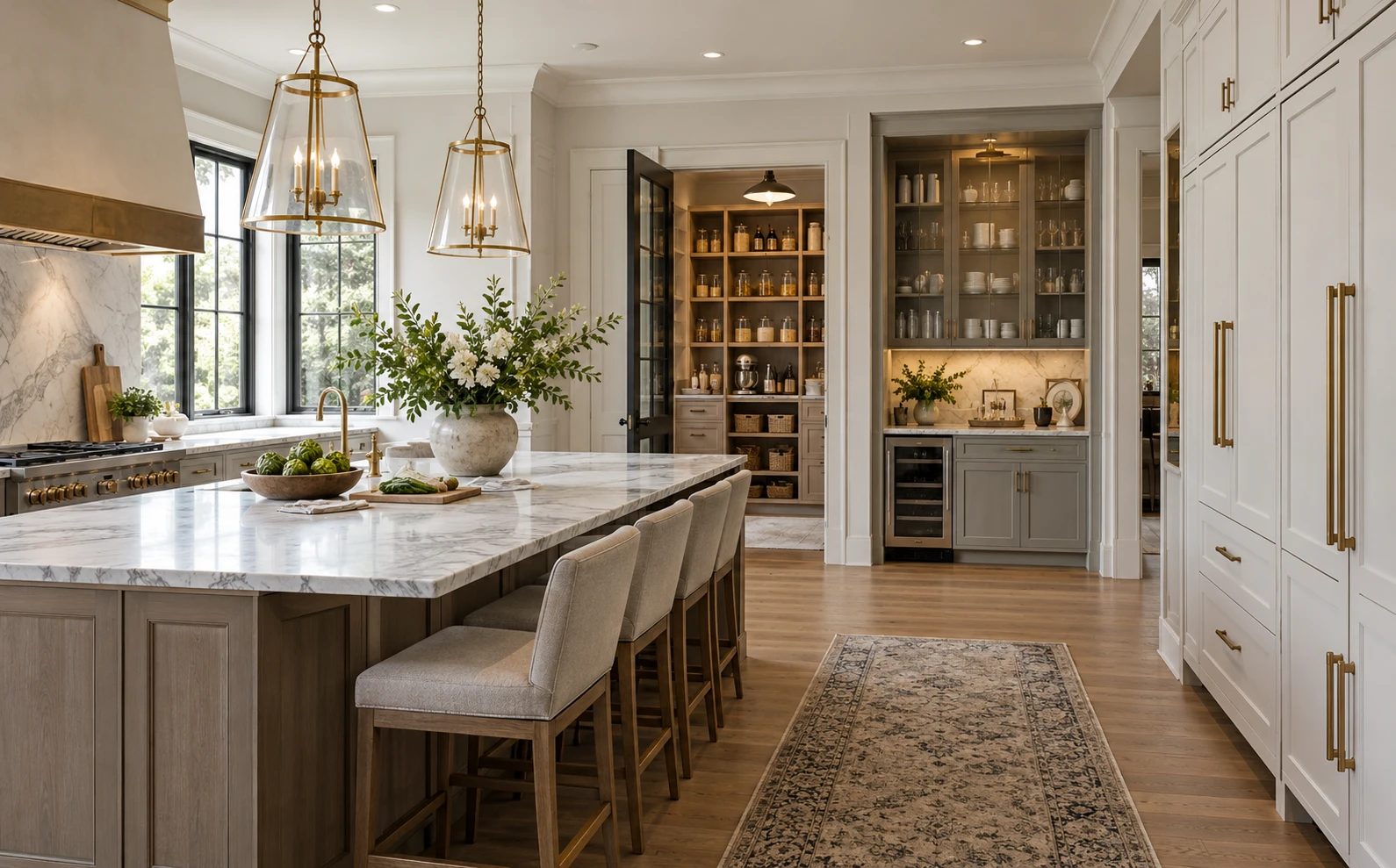
In the Roslyn Estates, NY project, zones are visually and functionally distinct, allowing multiple activities to happen simultaneously without conflict. This separation reduces decision-making by making the “next step” obvious.
The most efficient kitchens store items where the hand naturally expects them. Daily-use tools are placed at arm’s reach, while occasional items are stored out of sight. This reduces both time and mental energy.
This principle connects closely with ideas from Maximizing Your Kitchen Storage Potential: Smart Solutions for a Clutter-Free Space, where storage is designed around routine, not volume.
When everything feels equally important, the brain keeps scanning. Control-room kitchens establish visual hierarchy—primary elements stand out, secondary elements recede. This allows users to process the space quickly and move confidently.

The most successful kitchens remove the need to think altogether. They rely on design cues that guide behavior subconsciously.
Lighting does more than illuminate, it directs attention. Task lighting tells you where to work. Ambient lighting defines mood. Accent lighting clarifies hierarchy.
In kitchens like the Cold Spring Harbor, NY project, layered lighting ensures that users instinctively know where to focus at different times of day. This aligns with insights shared in Elevating Your Kitchen with Lighting: A Guide to Ambient, Task, and Accent Options.
Subtle shifts in material, such as countertop thickness, cabinet finishes, or backsplash textures create natural cues. These cues help users understand where prep happens, where gathering is encouraged, and where mess is acceptable.
By signaling function visually, the kitchen eliminates unnecessary decisions about use and care.
When drawers, cabinets, and appliances behave exactly as expected, trust builds between user and space. That trust reduces hesitation, speeds up routines, and lowers cognitive demand.
This philosophy reflects themes from The Chef’s Psychology: How Kitchen Layout Shapes the Way You Cook, where design directly influences behavior and confidence.

Decision fatigue increases when spaces no longer match lifestyle. A true control-room kitchen anticipates change and adapts without requiring constant redesign.
Some days require efficiency; others invite leisure. Kitchens should support both without reconfiguration. Flexible seating, multi-level lighting, and adaptable work surfaces allow the space to respond to mood and energy.
The Port Washington, NY project demonstrates this balance, offering zones that function equally well for quiet mornings and social evenings.
High-maintenance materials introduce ongoing mental load. Stain-prone surfaces, fragile finishes, and overly complex detailing require constant vigilance.
Smart material selection discussed in The Ultimate Guide to Kitchen Materials: Countertops & Flooring for a Luxury Home reduces upkeep decisions, preserving mental energy long after installation.
Trendy kitchens often demand constant updates. Control-room kitchens are built around timeless proportions, neutral foundations, and flexible accents. This ensures the space continues to support daily life rather than forcing adaptation.
A kitchen doesn’t need to demand attention to be impressive. In fact, the most luxurious kitchens often go unnoticed, because they work seamlessly. By reducing decision fatigue through thoughtful zoning, intuitive storage, controlled visuals, and human-centered design, the kitchen becomes a silent partner in daily life.
It anticipates needs, simplifies routines, and restores mental clarity rather than draining it. When designed as a control room, the kitchen supports not just cooking, but the entire rhythm of the home.

Your kitchen influences more daily decisions than any other room. This article explores how thoughtful design reduces mental fatigue and creates a space that works intuitively.