.webp)


Kitchen trends move quickly. What feels fresh and exciting today can feel dated surprisingly fast, especially when decisions are driven by social media, showroom displays, or short-term trends rather than long-term livability.
The challenge homeowners face isn’t choosing a “beautiful” kitchen style, it’s choosing one that will still feel right a decade from now. That’s where the distinction between Warm Modern and Classic Luxury becomes critical. Both styles can be timeless, refined, and high-end, but only when they’re applied thoughtfully, with the home’s architecture, lifestyle, and longevity in mind.
The key is understanding how each style works, what makes it age well, and how professional designers use principles, not trends, to guide those decisions.
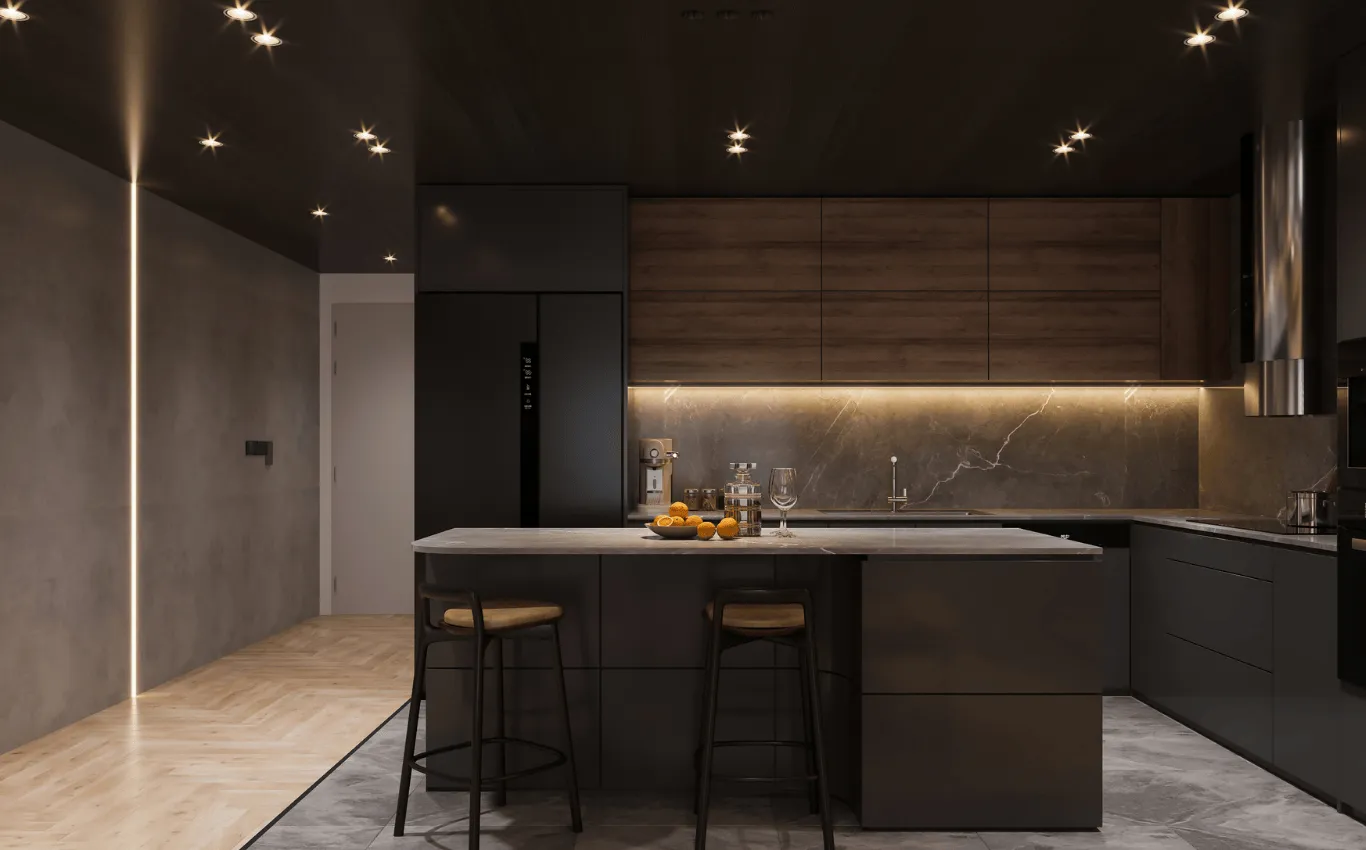
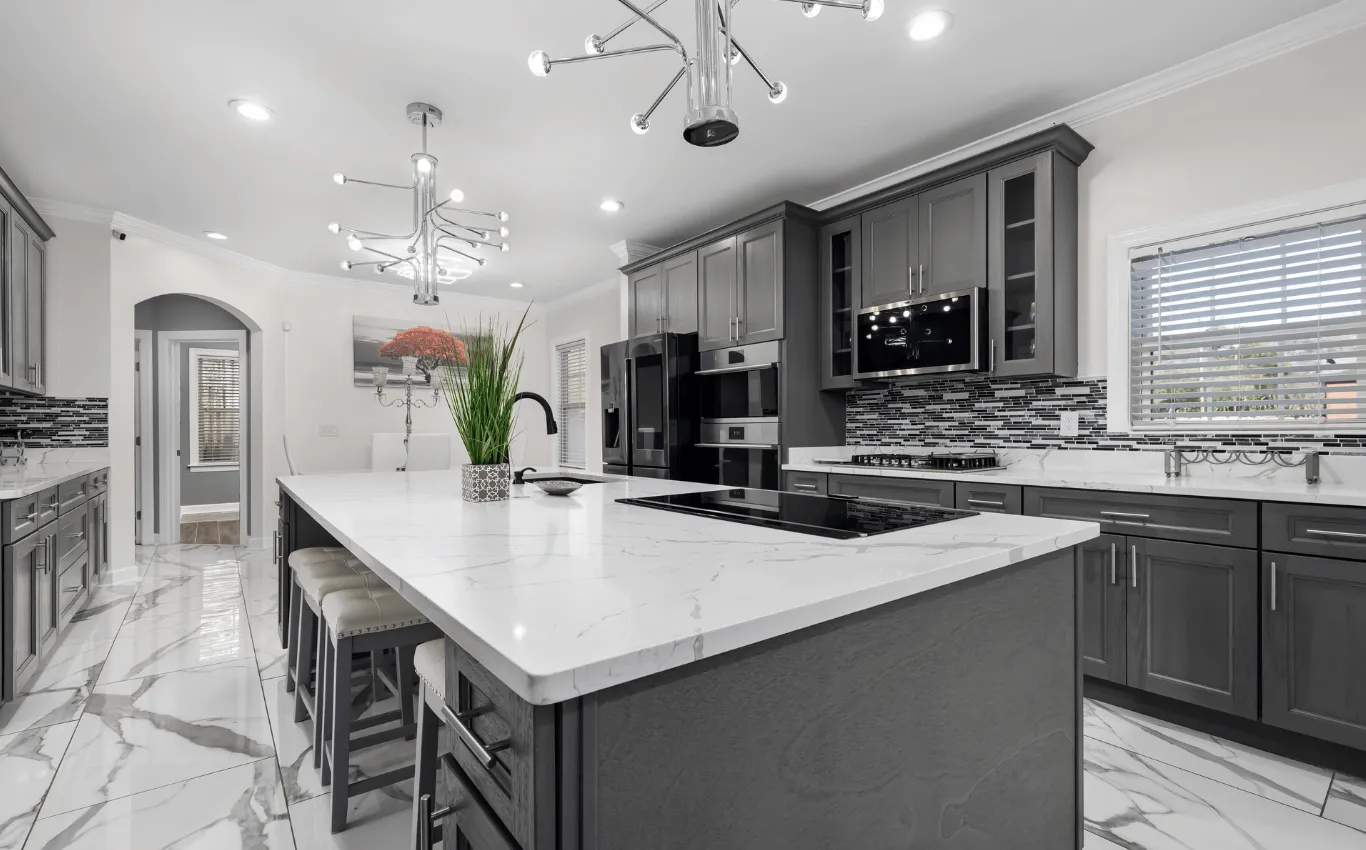
Warm Modern and Classic Luxury aren’t opposing styles, they’re two different design languages that express luxury in different ways. Understanding the underlying logic of each helps homeowners make confident decisions that won’t feel outdated or disconnected from their homes over time.
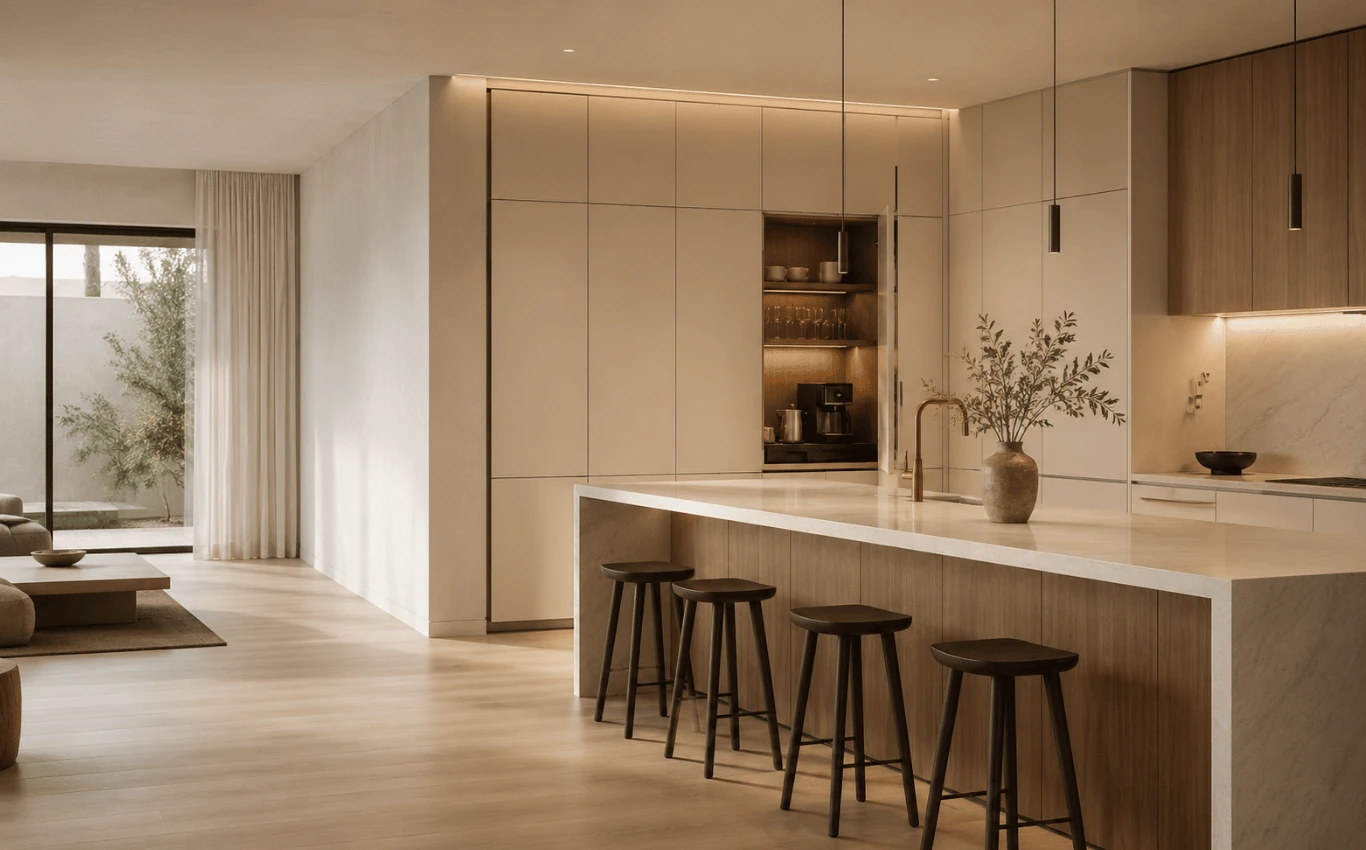
Warm Modern kitchens emphasize simplicity, restraint, and calm. Flat or minimally detailed cabinetry, natural wood tones, matte finishes, and subtle contrast create a space that feels contemporary without being cold. The warmth comes from material choice, wood grain, softly veined stone, textured surfaces, not ornamentation. When done correctly, Warm Modern kitchens feel effortless and uncluttered, allowing the space to breathe. This approach works particularly well in homes with open floor plans or contemporary architecture, where visual calm supports the flow of the home.
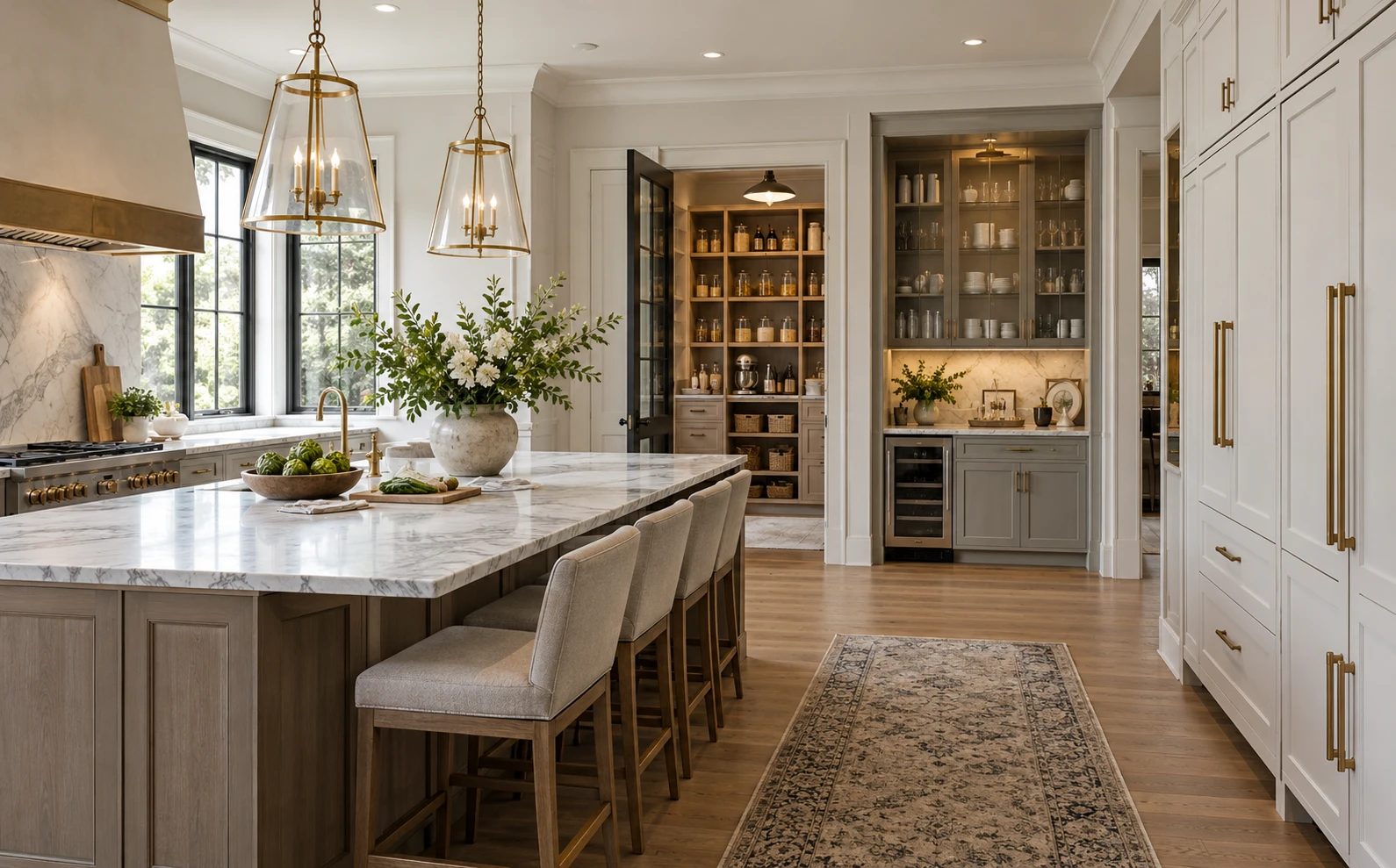
Classic Luxury kitchens rely on proportion, symmetry, and refined detailing rather than trend-driven elements. Think framed cabinetry, subtle profiles, carefully selected hardware, and stone with depth and character. These kitchens feel rooted, substantial, and intentional. The luxury is expressed through craftsmanship and balance, not excess. When designed properly, Classic Luxury kitchens don’t feel traditional or old-fashioned, they feel enduring. This approach often complements homes with established architectural character or formal layouts.
Timeless design isn’t about choosing modern or traditional, it’s about applying rules that don’t change. Proper scale, thoughtful layout, material integrity, and visual restraint matter far more than style labels. Kitchens that age well avoid extremes. They don’t chase color trends, overly distinctive finishes, or novelty features that feel exciting today but limiting tomorrow. This principle is central to professional kitchen planning and is evident throughout Jeff Boico’s approach to Kitchen Design.
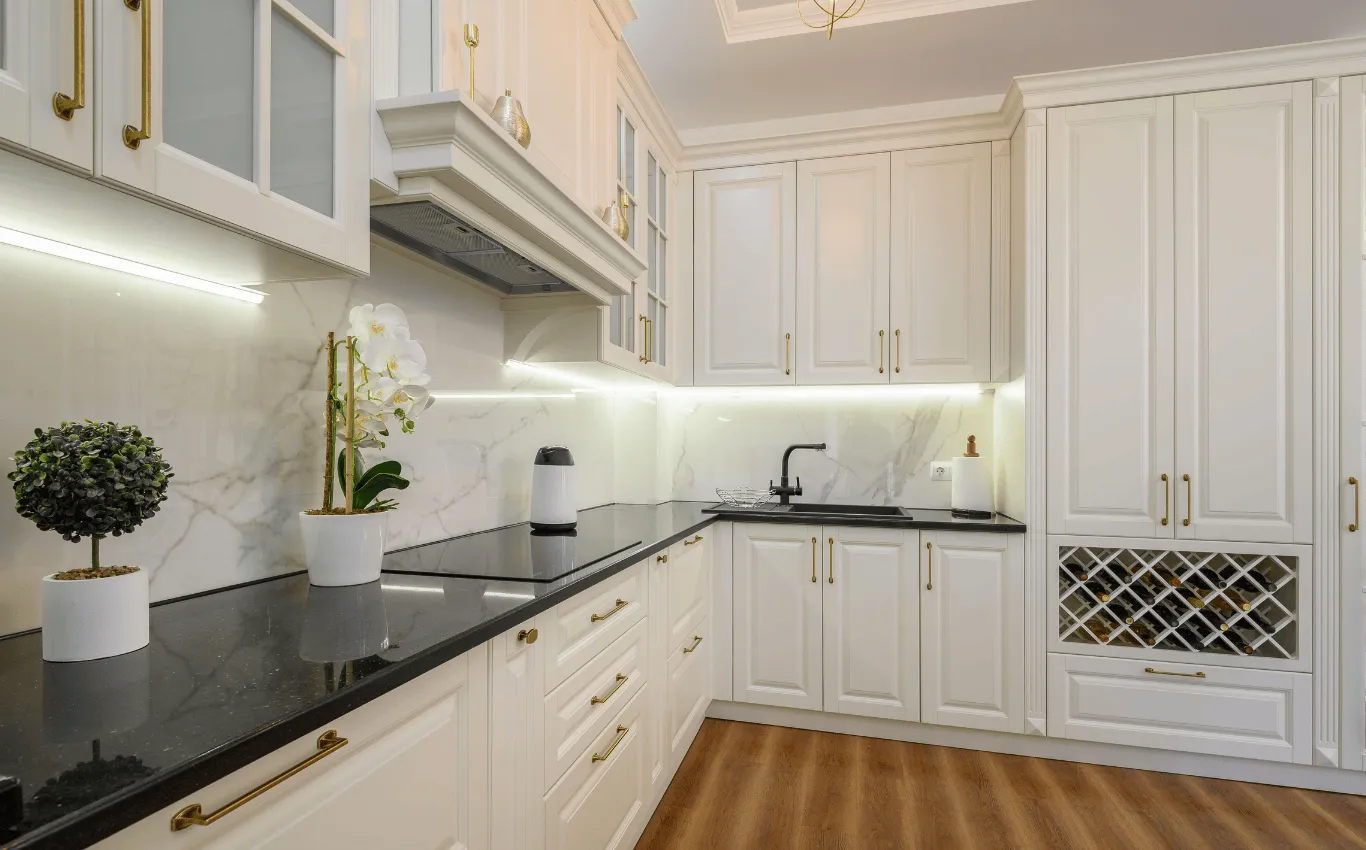
Most kitchen regret doesn’t come from poor taste, it comes from misalignment. When style choices ignore the home’s architecture, daily habits, or permanence of certain decisions, the kitchen can quickly feel “off.” This checklist helps prevent that.
The home should always dictate the kitchen, not the other way around. A Warm Modern kitchen in a traditionally detailed home can feel disconnected, just as an overly classic kitchen can feel heavy in a clean-lined contemporary space. Kitchens that feel timeless often look as though they were always meant to be there. Matching the design language of the home creates harmony that lasts.
Some kitchen decisions are permanent, layout, cabinetry construction, appliance placement. Others are flexible, lighting fixtures, bar stools, accessories. Timeless kitchens anchor the permanent elements in neutral, enduring choices and allow personality to come through in the flexible layers. This strategy allows the kitchen to evolve subtly over time without requiring major renovations.
Ask yourself how you want the kitchen to feel every day. Calm and minimal? Warm and grounded? Elegant and structured? Trends fade, but emotional comfort doesn’t. Kitchens that align with how homeowners want to feel, rather than what they want to impress others with, are the ones that stand the test of time. This idea is echoed in several design-focused articles in the Jeff Boico blog, where function and psychology are consistently prioritized alongside aesthetics.
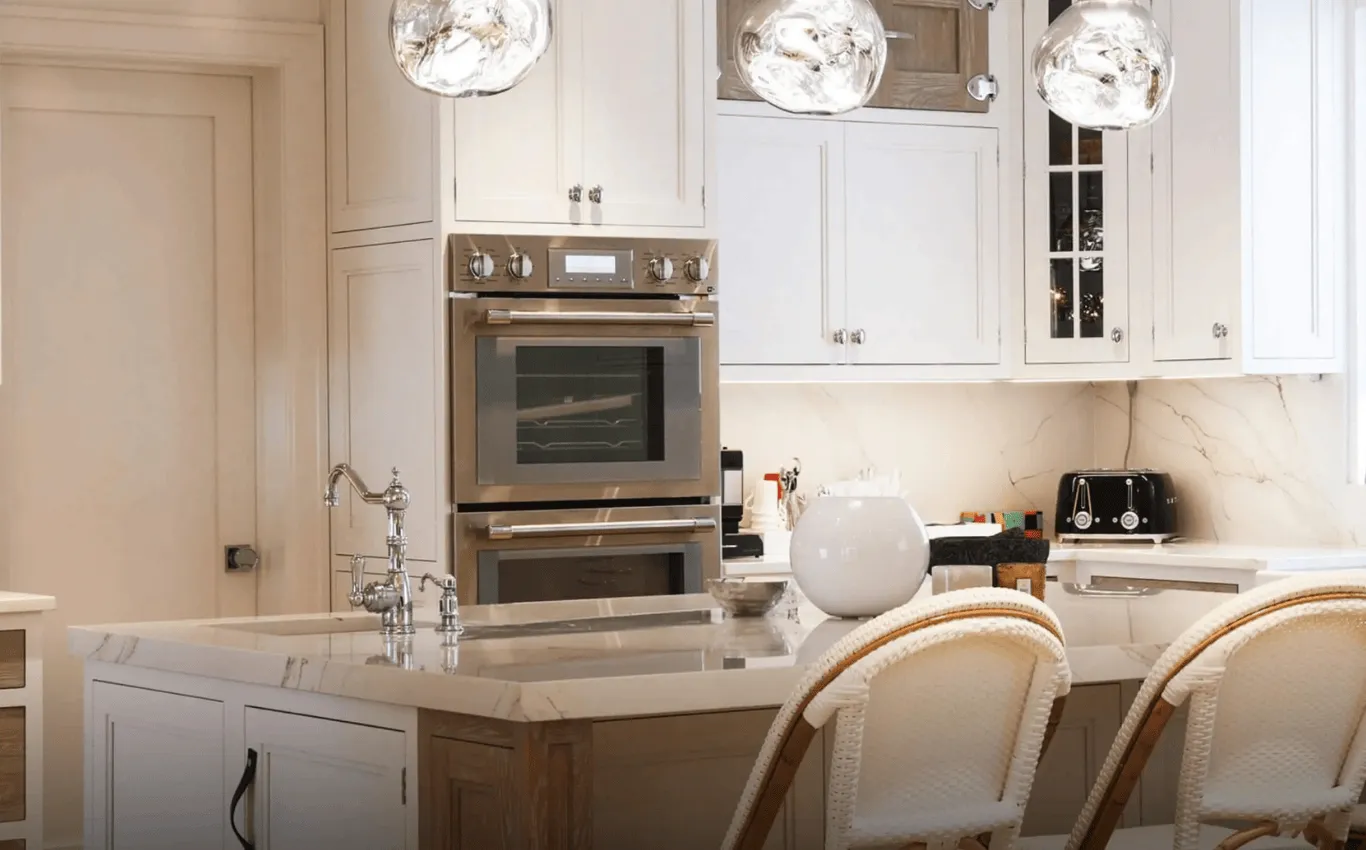
Abstract style descriptions only go so far. The real clarity comes from seeing how Warm Modern and Classic Luxury are applied in real homes, with real constraints and real lifestyles.
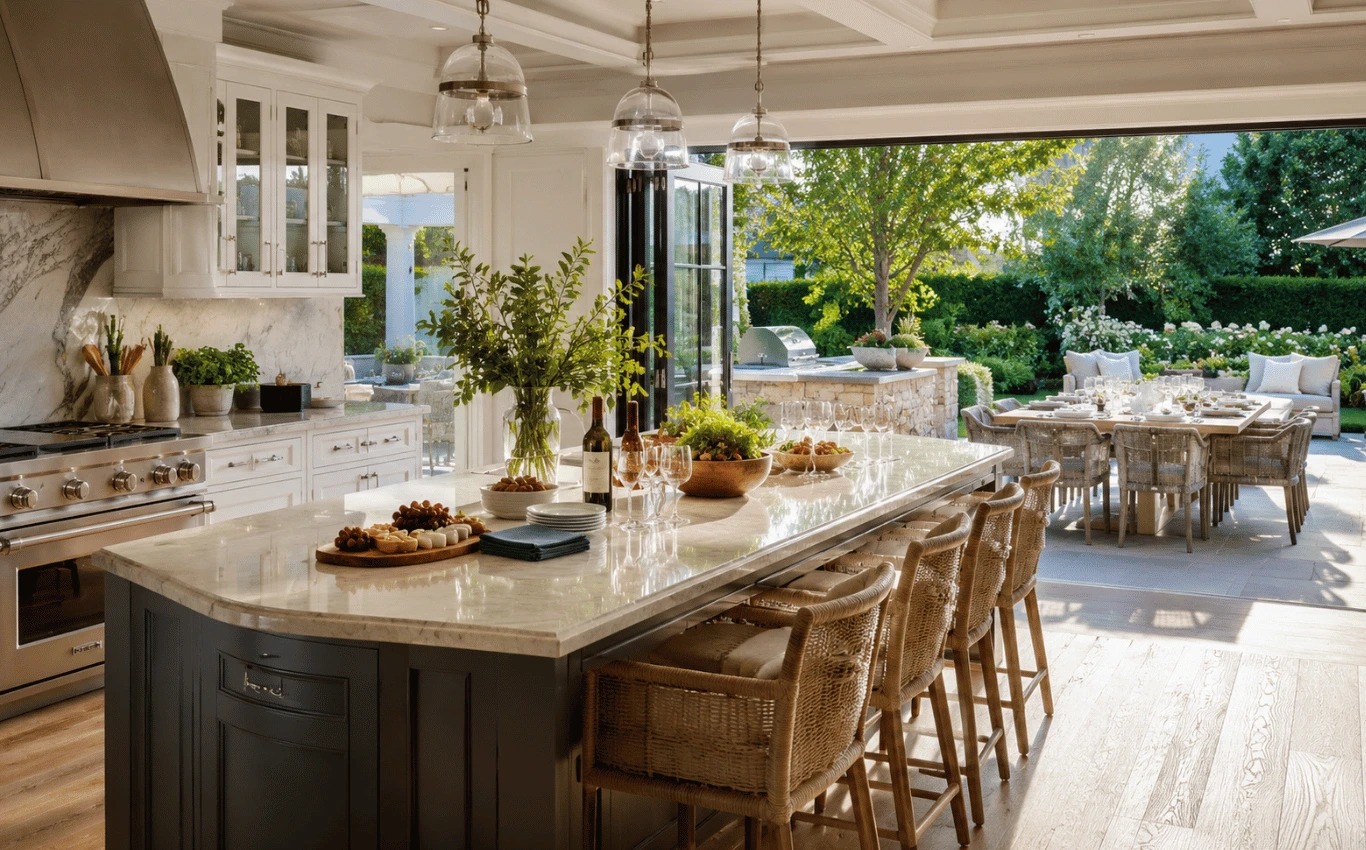
The Port Washington, NY project demonstrates how luxury can feel polished without being overdesigned. The kitchen balances clean lines with warmth through material selection and proportion. Nothing feels trendy, yet nothing feels dated. This type of balance is what allows a kitchen to remain relevant long after installation.
In the Remsenburg, NY kitchen, warmth is achieved through texture and tone rather than decorative detail. The result is a space that feels relaxed, livable, and quietly sophisticated. This project illustrates how Warm Modern kitchens can age gracefully when restraint is applied consistently.
The Upper Brookville project and the Great Neck, NY project show that timeless design doesn’t follow a single formula. One leans more classic, the other more refined and contemporary, yet both feel anchored and intentional. The common thread is not style, it’s discipline. Each kitchen respects scale, material quality, and architectural context. Viewing these projects together reinforces the idea that longevity comes from principles, not labels. More examples of this thoughtful approach can be found throughout the Jeff Boico Portfolio.
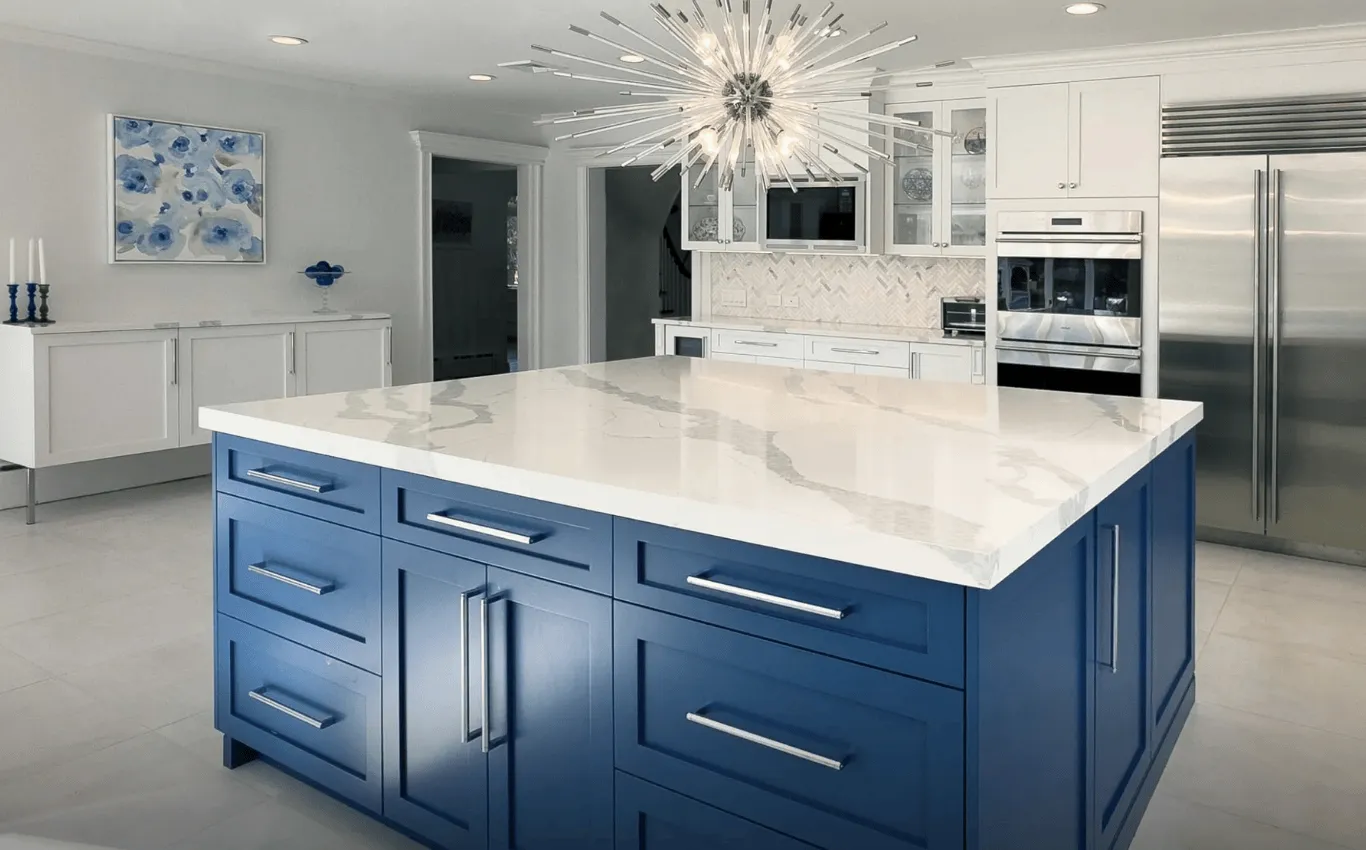
Professional designers don’t rely on instinct alone when aiming for longevity. They use proven rules that consistently produce kitchens that age well.
Bold colors are often the first element to feel dated. Timeless kitchens rely on neutral palettes enriched through texture, wood grain, stone movement, metal finishes, and layered lighting. This approach allows the kitchen to feel rich and dimensional without tying it to a specific moment in time.
Luxury comes from clarity, not abundance. A single statement element, a striking stone island, a beautifully crafted hood, or a distinctive lighting feature, creates focus. When too many “statement” elements compete, the kitchen loses cohesion and ages faster.
True luxury is experienced, not just seen. Drawer movement, door feel, lighting quality, storage functionality, these details define daily satisfaction. Kitchens designed with this mindset feel better over time, not worse. This focus on experience-driven design is central to Jeff Boico’s philosophy and is reflected across his Kitchen Design services.
Choosing between Warm Modern and Classic Luxury isn’t about predicting trends, it’s about understanding yourself, your home, and the principles that endure. Kitchens that stand the test of time are grounded in proportion, restraint, and thoughtful planning. When those foundations are in place, style becomes an expression, not a risk. The most successful kitchens don’t announce their age. They simply continue to feel right.