.webp)


A kitchen can be beautifully finished and still feel frustrating to use. Homeowners often assume the problem is storage, appliances, or clutter, but in reality, it’s usually the layout. A kitchen layout either supports your daily routine or quietly works against it every single day. The good news? You don’t need a full renovation or hours of analysis to spot the issue. In just 60 seconds, you can tell whether your kitchen is truly working for you or simply looking good on the surface. This test, rooted in real-world design principles used in professional kitchen design, reveals friction points that most people live with for years without realizing they’re fixable. Once you see them, you can’t unsee them and that awareness is often the first step toward a kitchen that feels effortless, intuitive, and genuinely luxurious.

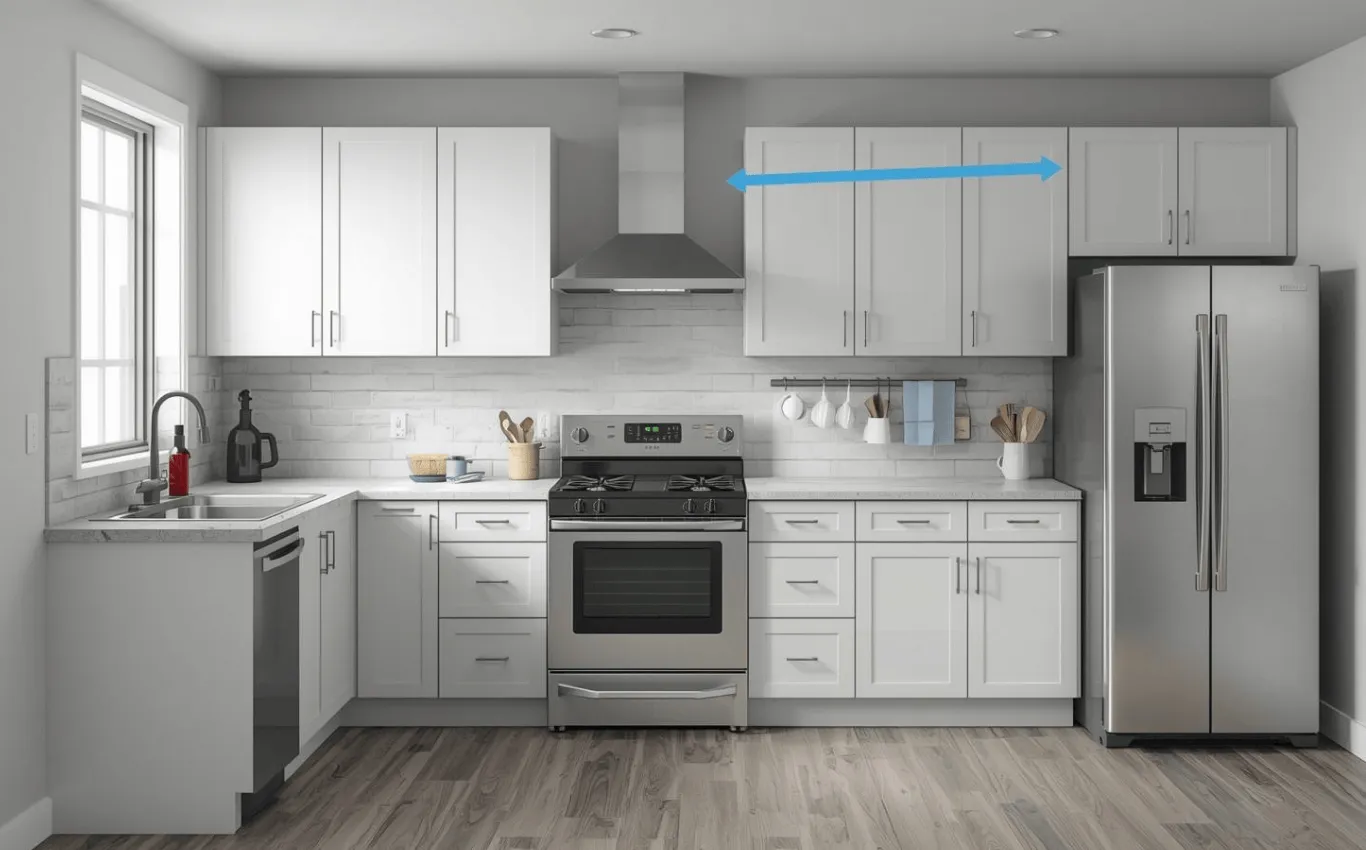
The purpose of the 60-second kitchen test is simple: evaluate how your kitchen supports the way you actually live, not how it looks in photos. This test focuses on movement, reach, and interruption, three factors that define whether a kitchen feels smooth or stressful.
Stand at your sink and imagine preparing a normal meal or morning routine. Move to the refrigerator, then to your prep area, then to the cooktop or oven. If you feel like you’re zig-zagging, backtracking, or crossing the same path repeatedly, your layout may be inefficient. In professionally designed kitchens, like many featured in Jeff Boico’s Kitchen Design services, these movements are intentional and compact.
As you move, notice what interrupts you. Are cabinet doors colliding with appliances? Does the dishwasher block a walkway when opened? Small interruptions add up quickly and often signal deeper planning issues that should be addressed at the layout level rather than with accessories or styling.
If other people pass through your work area while you’re cooking, that’s a red flag. A kitchen should allow movement without interference. Many successful layouts showcased in the Jeff Boico portfolio separate cooking zones from traffic paths, creating calmer and safer environments.
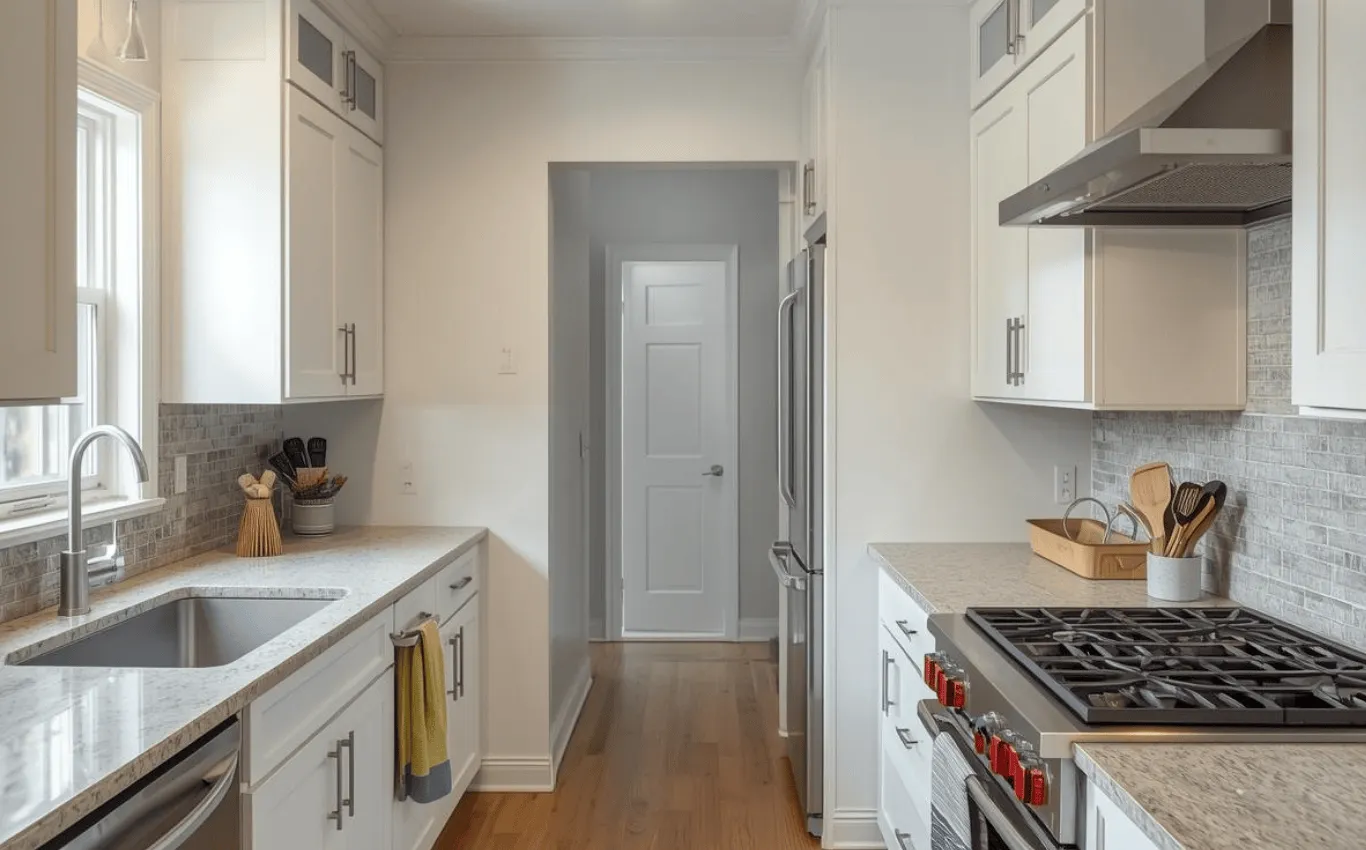
The classic kitchen work triangle-sink, refrigerator, and cooktop remains a useful concept, but it must be applied thoughtfully. Modern kitchens require a more nuanced interpretation that reflects real habits and multiple users.
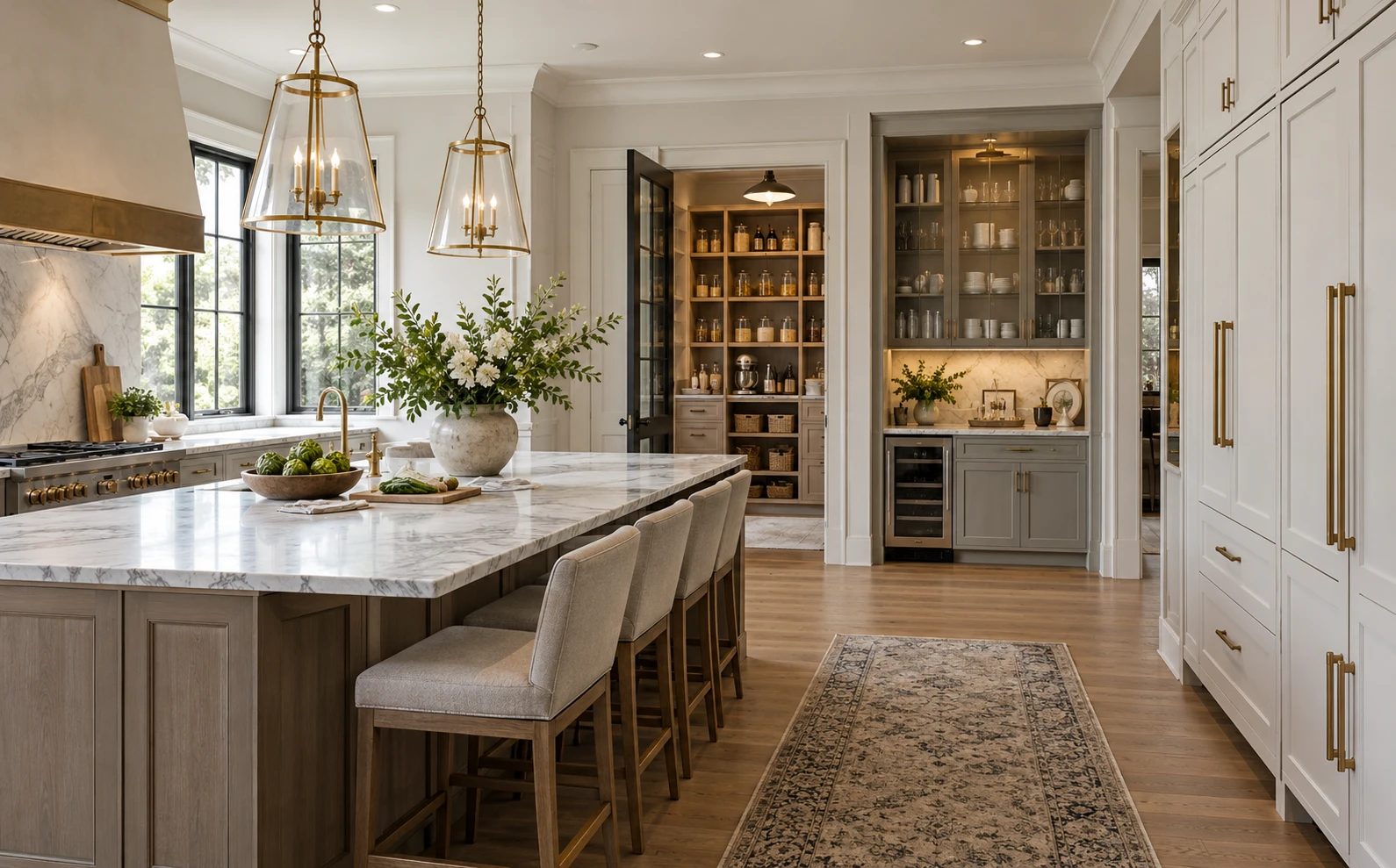
If the distance between your sink, fridge, and cooktop is excessive, you’ll take more steps than necessary throughout the day. This is common in oversized kitchens where scale wasn’t managed properly. In projects like the Roslyn Estates, NY kitchen, the layout balances openness with efficiency, keeping core functions within a comfortable loop.
On the other hand, a cramped triangle can feel chaotic, especially if multiple people use the kitchen at once. Appliances packed too closely together limit landing space and cause congestion. A professional kitchen designer knows how to maintain proximity without sacrificing breathing room.
Today’s kitchens often include secondary zones coffee stations, beverage centers, or baking areas, that support the main triangle. These additions work best when they complement the primary layout rather than interrupt it, a principle consistently applied in Jeff Boico’s custom kitchen designs.
Landing zones are one of the most overlooked elements in kitchen planning, yet they have a massive impact on daily usability. Every major appliance needs a place for items to land immediately.
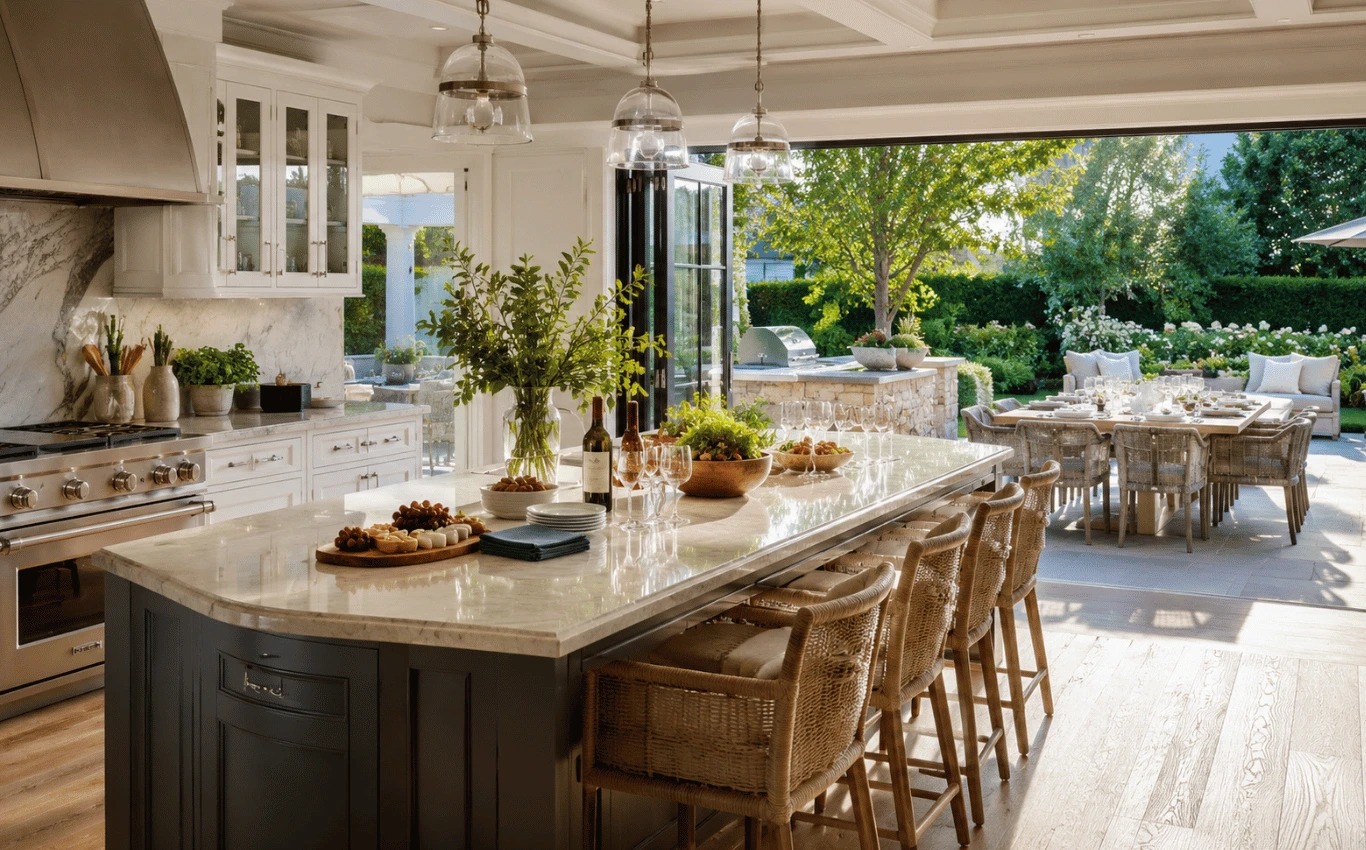
When you open the fridge, you need a nearby surface to place groceries, drinks, or leftovers. Without it, items end up scattered across the kitchen, increasing clutter and frustration. Well-planned kitchens, such as those seen in the Nesconset, NY project, always provide intuitive landing zones.
The sink is a central hub. Clean dishes need a clear path to storage, and dirty dishes need a place to pause without blocking prep areas. If unloading the dishwasher feels awkward or disruptive, the layout likely needs adjustment.
Hot items coming out of the oven or off the cooktop need immediate, safe landing areas. This is both a usability and safety issue. A lack of proper landing zones is one of the clearest indicators that a kitchen was designed without daily use in mind.
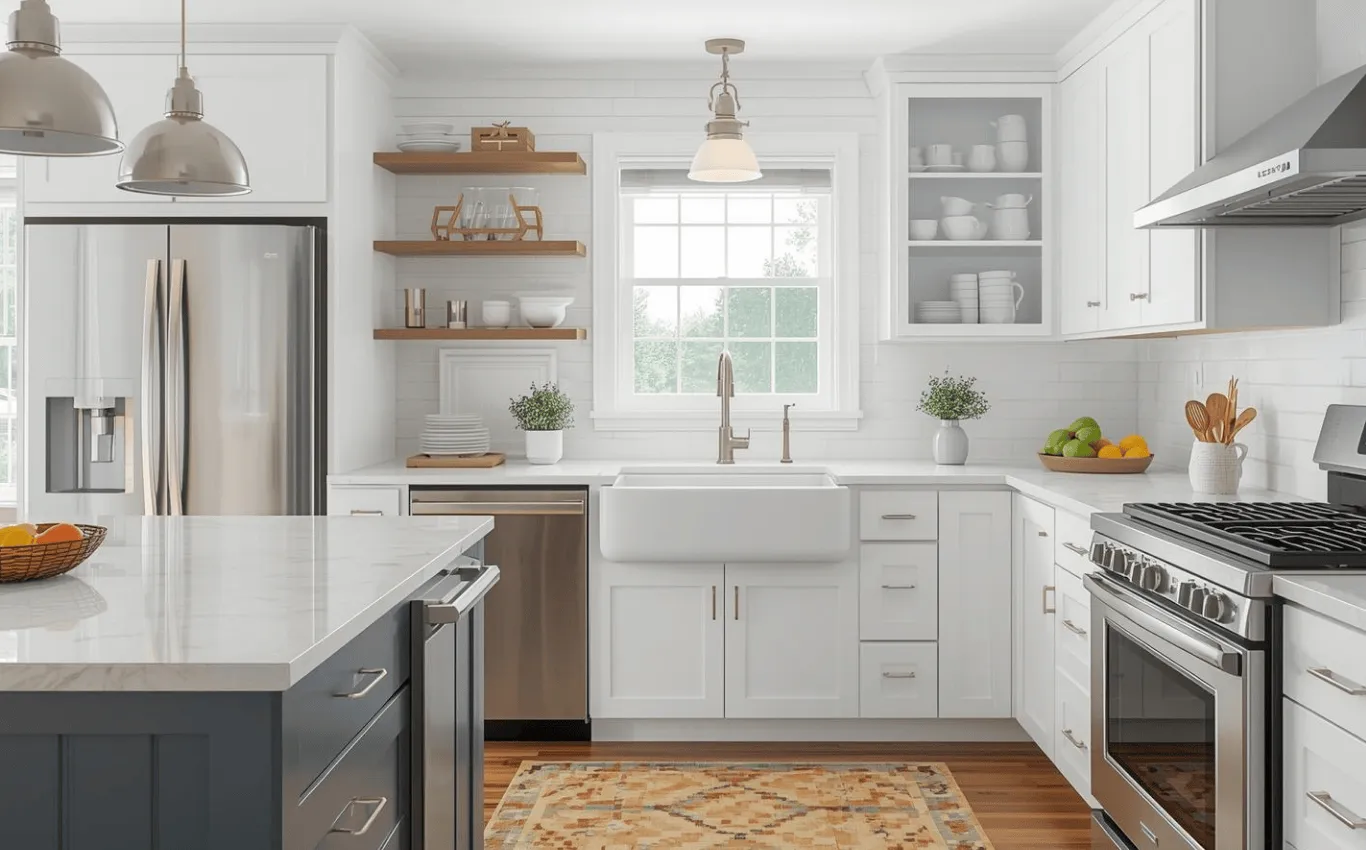
A kitchen may look spacious, but if traffic patterns are poorly planned, it will never feel calm. Traffic flow refers to how people move through the space, not just the cook.
If your kitchen doubles as a hallway, the layout is compromised. Cooking zones should never be thoroughfares. In homes like the Cold Spring Harbor, NY project, circulation is carefully planned to protect the cooking experience.
Islands are often the focal point of modern kitchens, but improper spacing can ruin functionality. Too close, and movement feels tight; too far, and efficiency drops. Correct island placement is one of the most common differences between builder kitchens and professionally designed ones.
Modern kitchens are social spaces. A successful layout allows multiple people to coexist without conflict someone cooking, someone cleaning, someone grabbing a drink—each without disrupting the others.
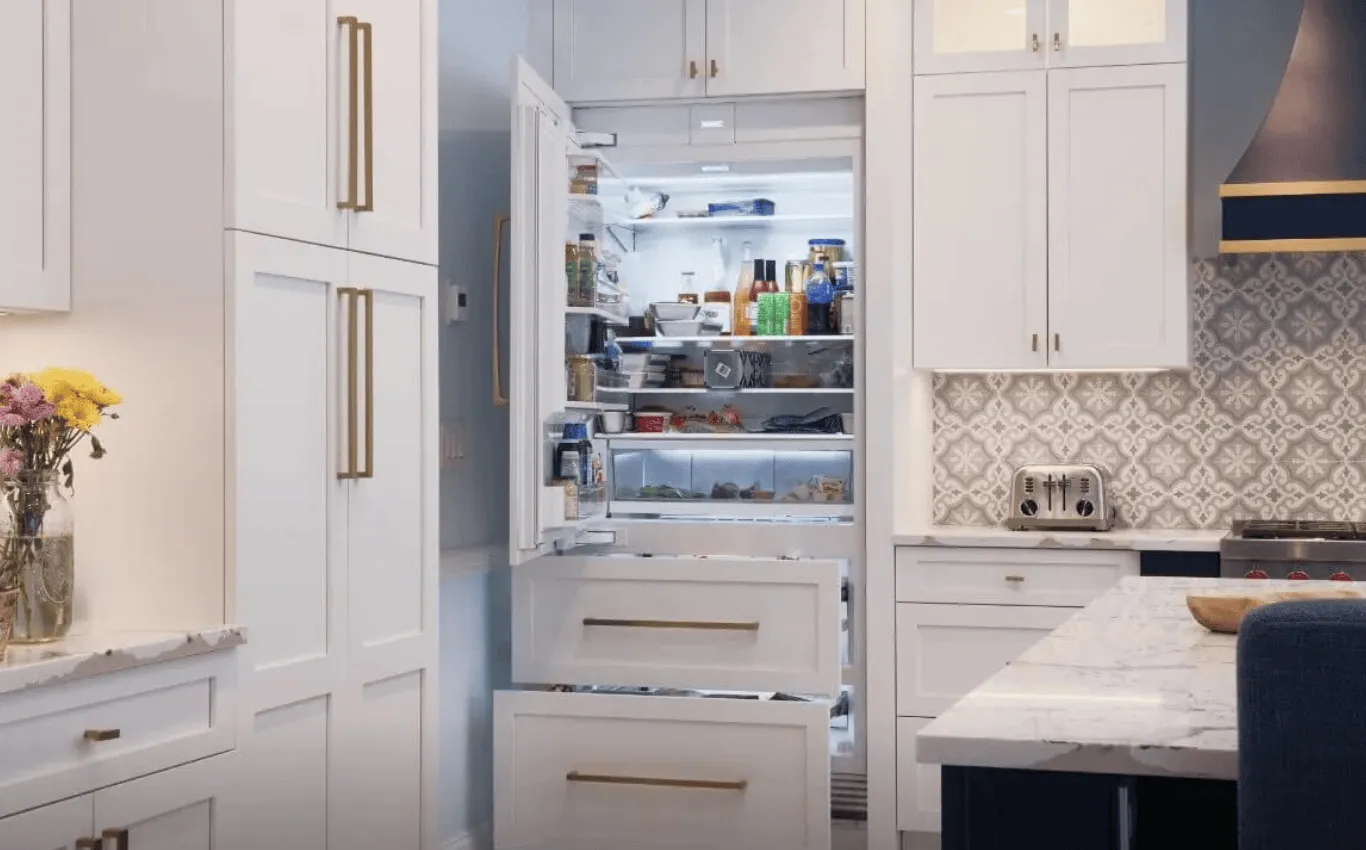
If your countertops never seem clear, the problem may not be storage quantity, but storage location. A well-designed kitchen places items exactly where they’re needed.
Daily-use items should be accessible within one step and one reach. Plates near the dishwasher, utensils near prep areas, and glasses near beverage stations create natural order. This philosophy is evident in Jeff Boico’s approach to luxury kitchen design.
A pantry should support cooking, not interrupt it. Pantries placed too far from prep zones cause inefficiency and mess. Strategic pantry placement is a hallmark of thoughtful kitchen planning.
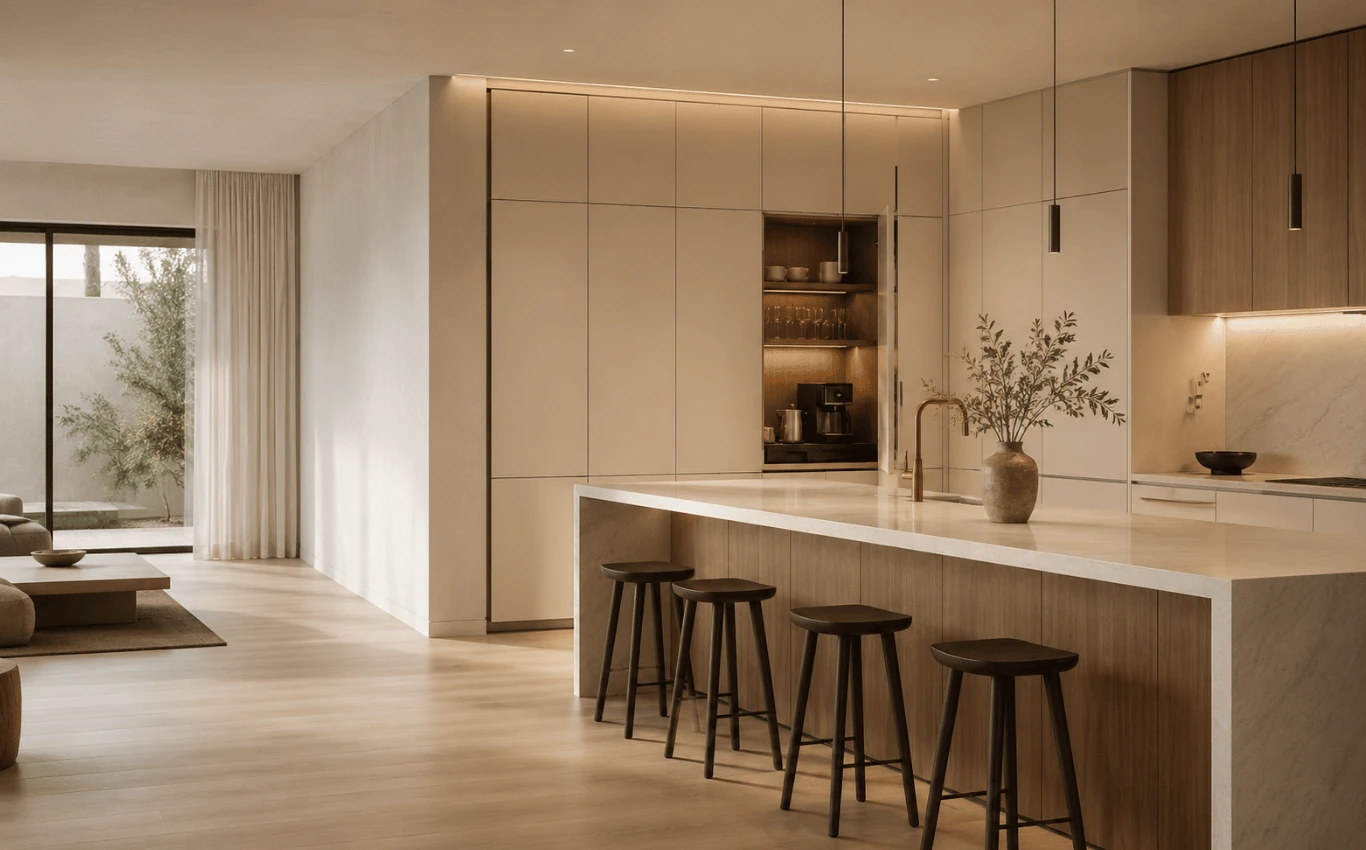
When appliances dominate countertops, the kitchen feels cluttered regardless of cleanliness. Panel-ready appliances and appliance garages, often seen in the Nesconset NY project, help maintain a clean, refined aesthetic.
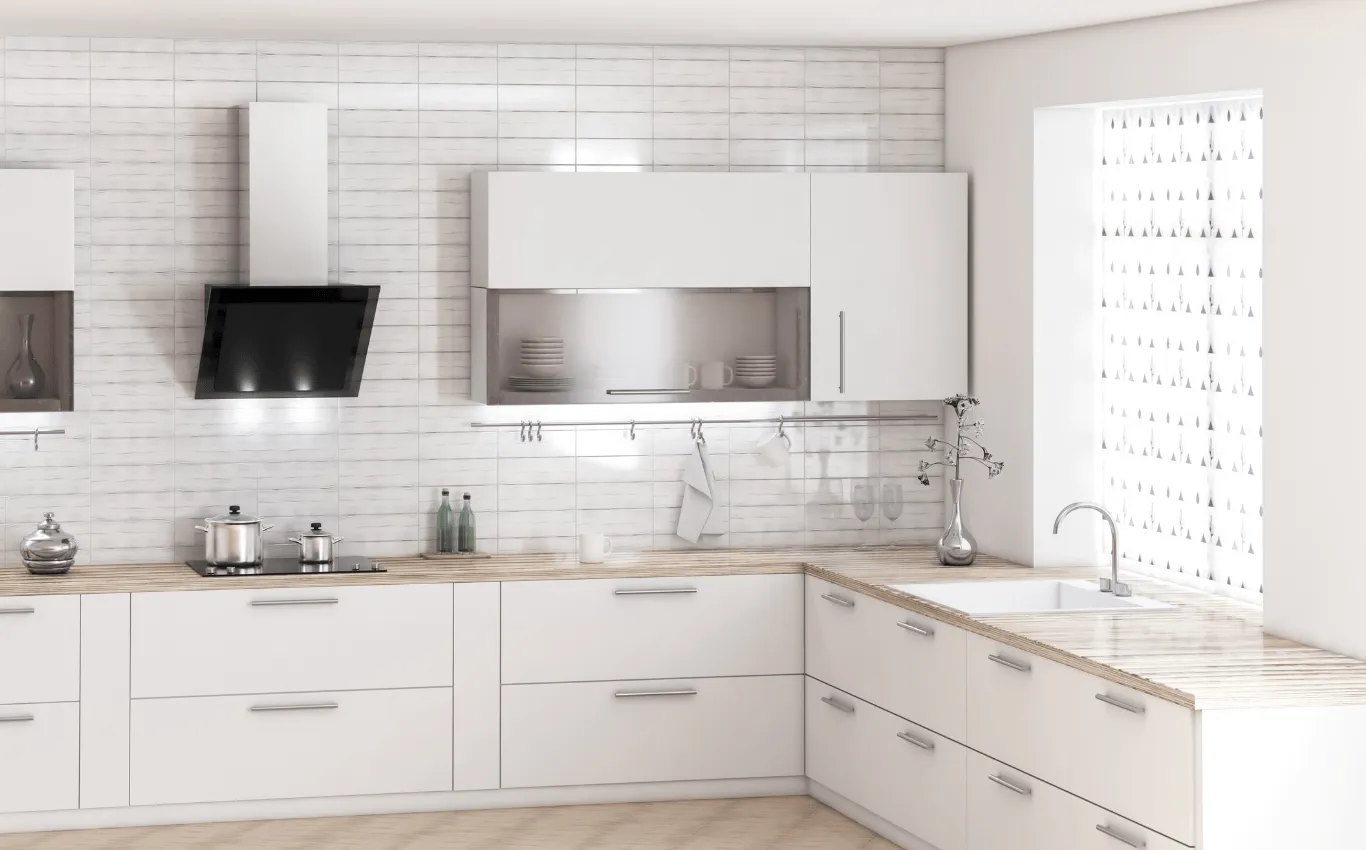
Not every layout issue requires a full renovation, but knowing the difference saves time and money.
Reorganizing storage zones, adjusting lighting, or relocating small appliances can improve daily flow. These changes address symptoms, not structure, but they can provide immediate relief.
Cabinet modifications, pull-out systems, or reconfiguring appliance doors can significantly improve usability. These upgrades are often recommended after an initial layout assessment.
If traffic flow, landing zones, and core movement patterns all fail the 60-second test, cosmetic changes won’t solve the problem. At that point, working with a professional kitchen designer becomes essential. Reviewing completed work in the Jeff Boico portfolio often helps homeowners recognize what’s possible.
A truly successful kitchen doesn’t announce itself, it simply works. Movement feels natural, clutter stays controlled, and daily routines flow without thought. The 60-second kitchen test reveals whether your space supports that experience or quietly resists it. If your kitchen fails the test, it’s not a reflection of your taste, it’s a planning issue, and one that can be solved with the right expertise. Thoughtful layout design transforms kitchens from beautiful rooms into functional, enjoyable spaces that elevate everyday life.