Explore warmer kitchen colors, natural wood finishes, and creative design ideas that bring lasting elegance, comfort, and personality to Long Island homes.



White kitchens have remained popular for their timeless appeal, brightness, and versatility. However, as kitchen trends shift toward warmer colors, natural wood, and more personalized finishes, homeowners are reconsidering the traditional all-white look. For Long Island homeowners planning a kitchen renovation in 2027, the key is finding the right balance between classic white design, modern trends, and long-term functionality.


Discover whether white kitchens are going out of style, explore emerging colors and materials, and learn how to create a timeless kitchen that fits your home and lifestyle.

White kitchens are not disappearing, but the way homeowners approach them is changing. Instead of relying entirely on bright white cabinetry, countertops, and backsplashes, newer designs are introducing warmer tones, natural textures, and subtle contrasts.
The focus is shifting toward kitchens that feel welcoming and personal while maintaining the brightness and versatility that made white kitchens popular in the first place.
White kitchens have remained popular because they work with almost every architectural style. From traditional Long Island homes to contemporary interiors, white cabinetry creates a clean foundation that complements different countertops, flooring materials, and hardware finishes.
White also reflects natural light, helping kitchens feel brighter and more spacious. Its versatility allows homeowners to update surrounding finishes without completely changing the cabinetry.
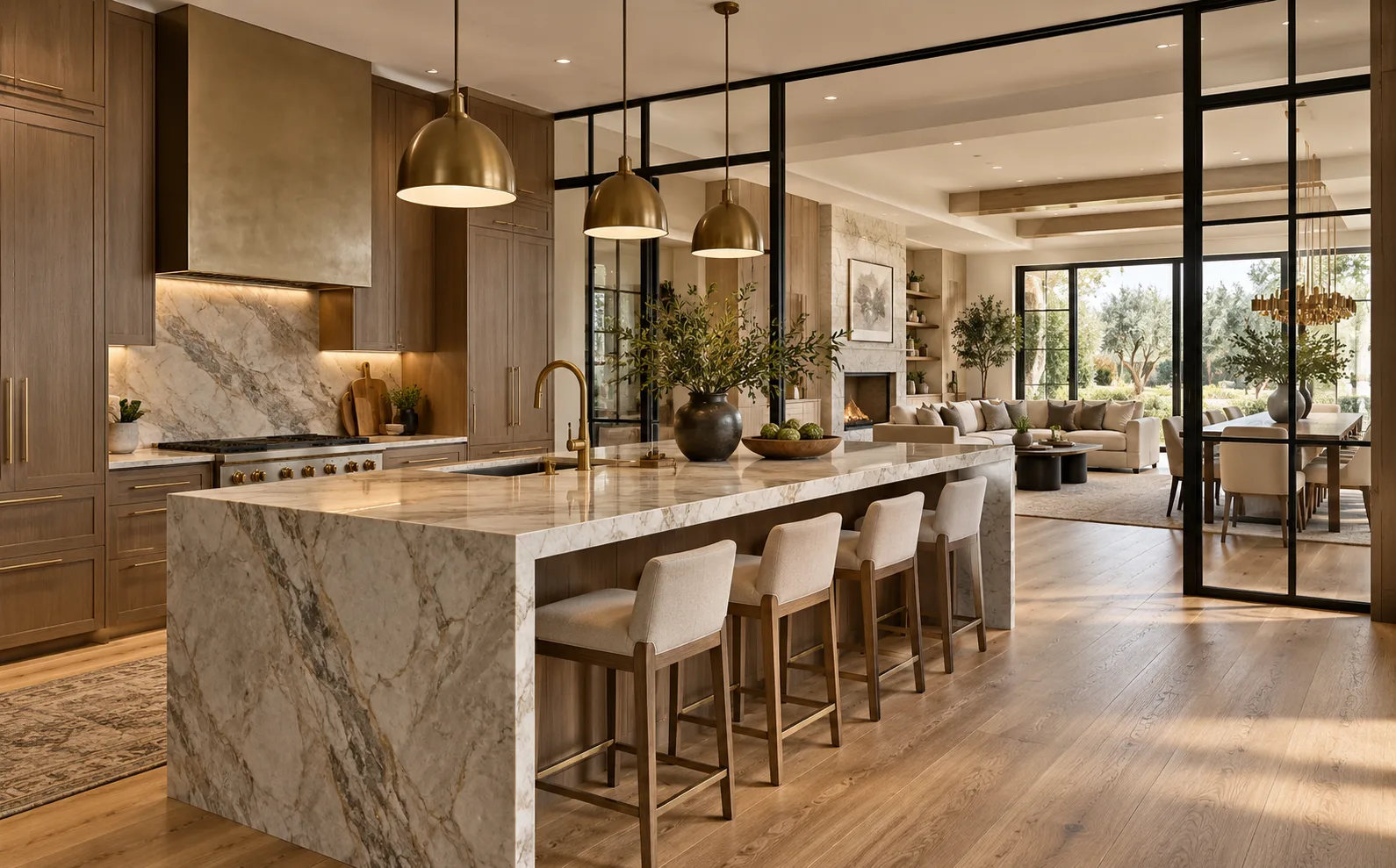
Homeowners are increasingly interested in kitchens that feel comfortable and connected to the rest of the home. Natural wood, creamy neutrals, textured stone, and softer lighting can create a warmer atmosphere than an entirely white design.
Rather than eliminating white, many contemporary kitchens combine it with these elements to create visual depth and a more inviting environment.
Absolutely. An all-white kitchen can still feel sophisticated when materials, lighting, and architectural details are carefully coordinated.
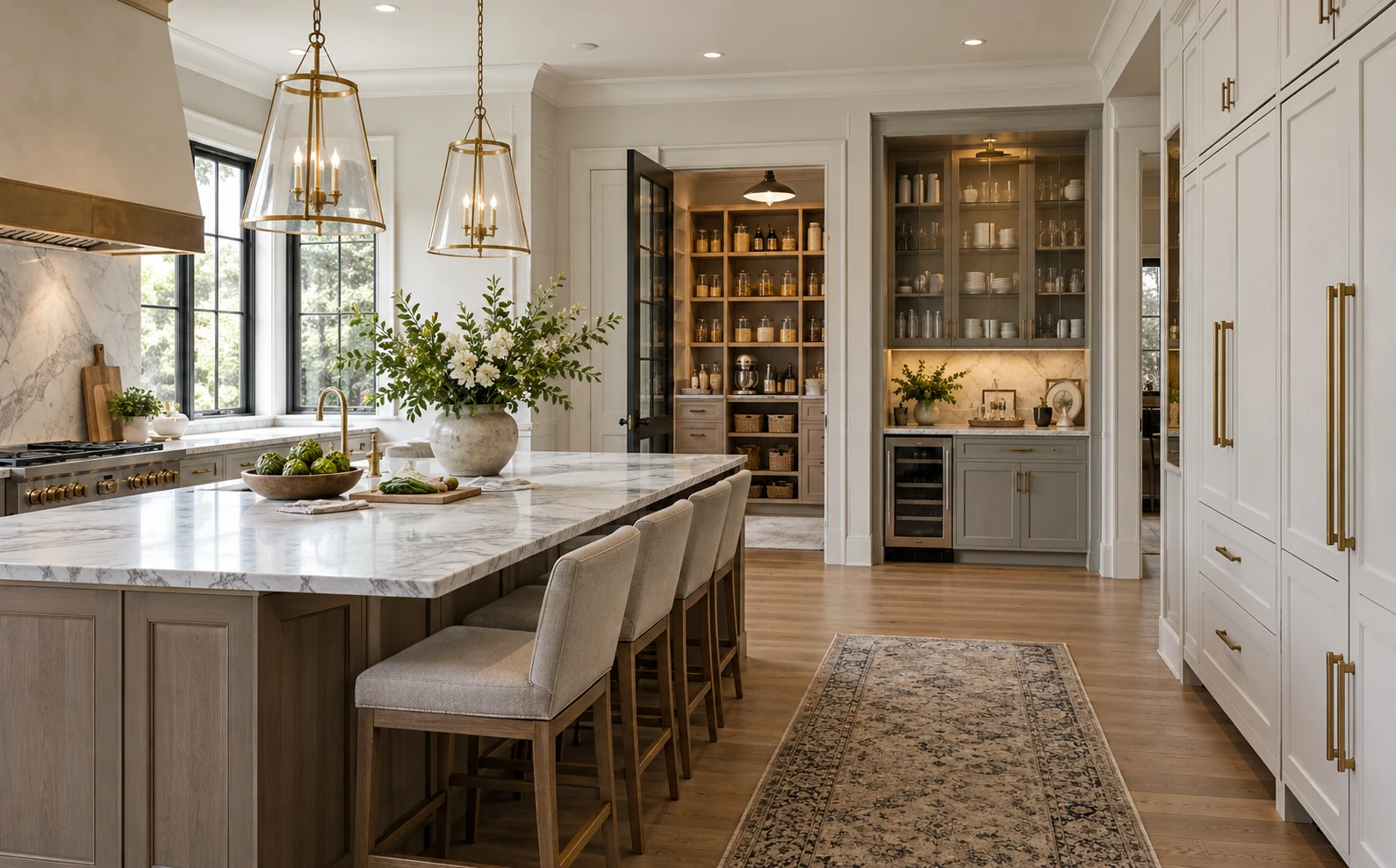
Subtle stone veining, textured backsplashes, warm lighting, and refined hardware can add character without introducing bold colors. The key is creating variation and depth rather than making every surface look identical.
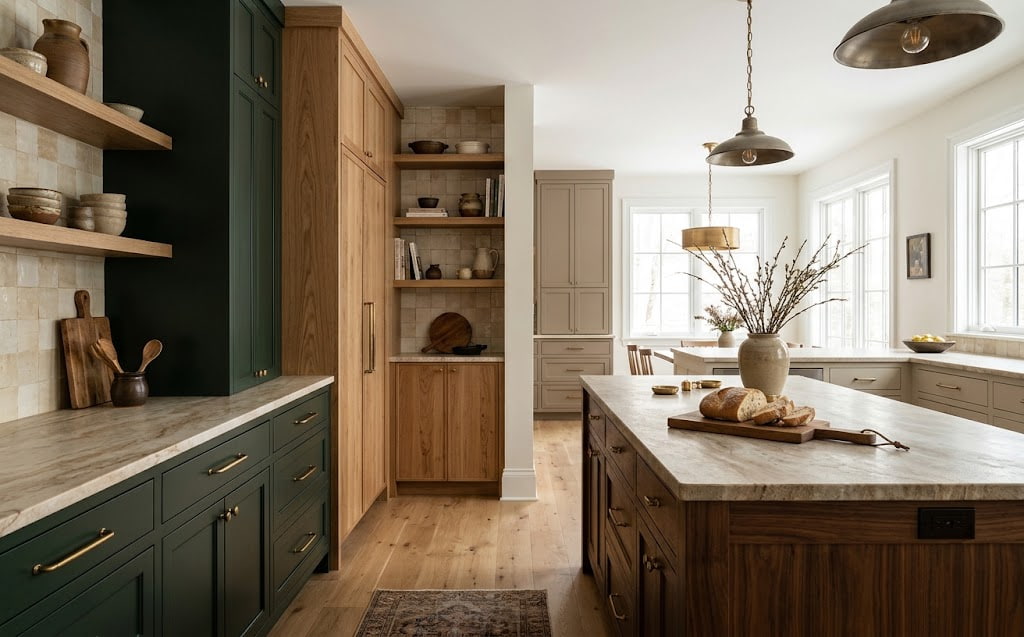
Kitchen design is moving toward a broader range of colors and materials rather than one specific replacement for white. Warm neutrals, natural wood, and deeper accent colors are becoming attractive choices for homeowners seeking a more personalized appearance.
These finishes can introduce warmth and character while maintaining the clean, sophisticated look associated with luxury kitchens.
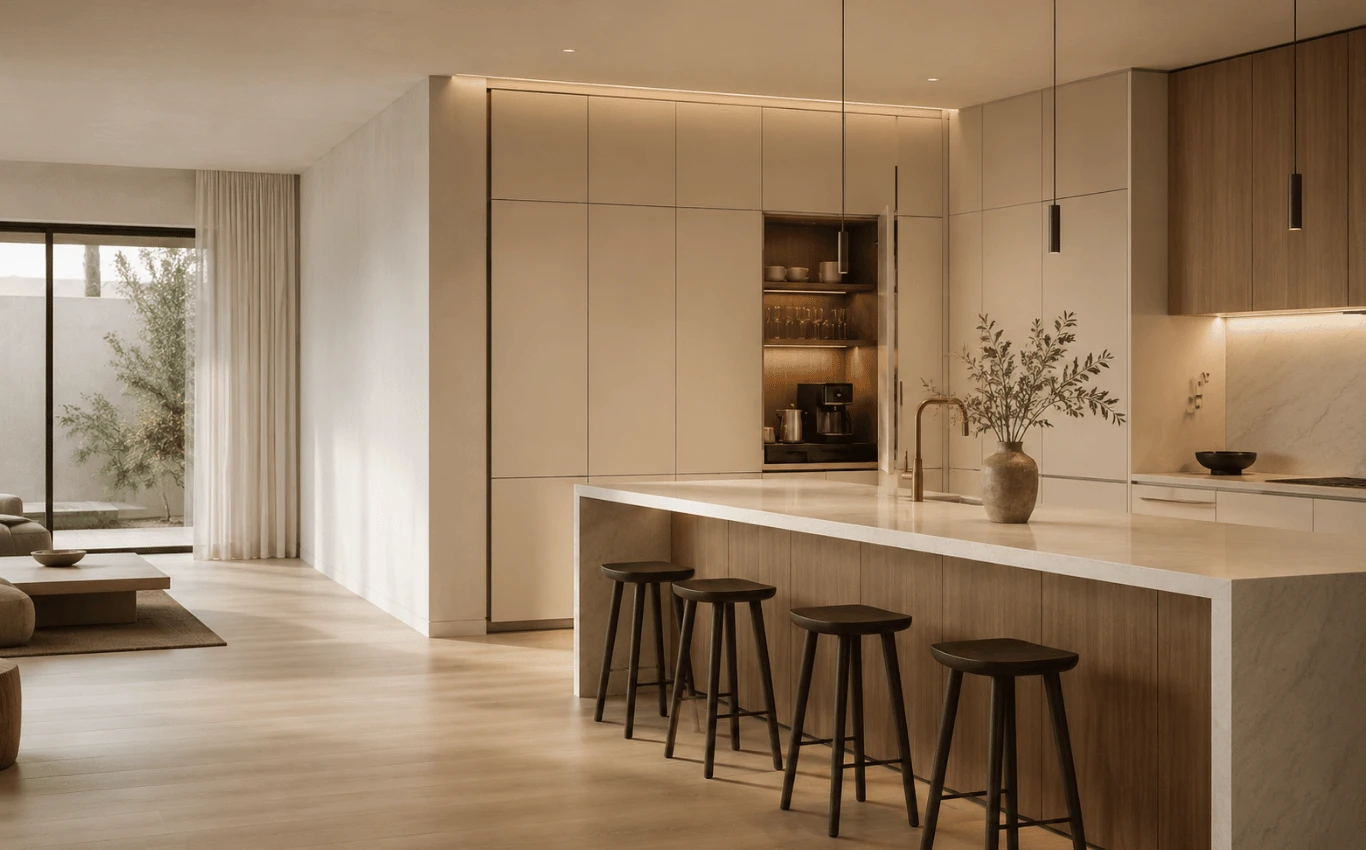
Cream, ivory, taupe, mushroom, and warm greige offer a softer alternative to bright white cabinetry. These colors maintain a light, open atmosphere while making the kitchen feel more comfortable and inviting.
They also coordinate beautifully with natural stone, wood flooring, and brushed metal finishes, making them especially suitable for kitchens connected to living and dining areas.
Natural wood introduces texture, warmth, and character that painted cabinetry cannot always achieve. Oak, walnut, and other wood finishes can make a contemporary kitchen feel more connected to the home's architecture.
Wood does not need to cover every cabinet. A contrasting island, pantry wall, or lower cabinetry can create a balanced design. For inspiration, explore Great Neck, NY | Warm Contemporary Textured Kitchen, which highlights the appeal of warm finishes and layered textures.
Deep green, navy, charcoal, and other rich colors can give kitchens a dramatic, sophisticated appearance. When combined with lighter countertops, natural materials, and thoughtful lighting, darker cabinetry can create beautiful contrast.
However, darker colors are not automatically better than white. Their success depends on the kitchen's size, natural light, and overall design. Sometimes a darker island or selected cabinet section provides enough personality without overwhelming the room.
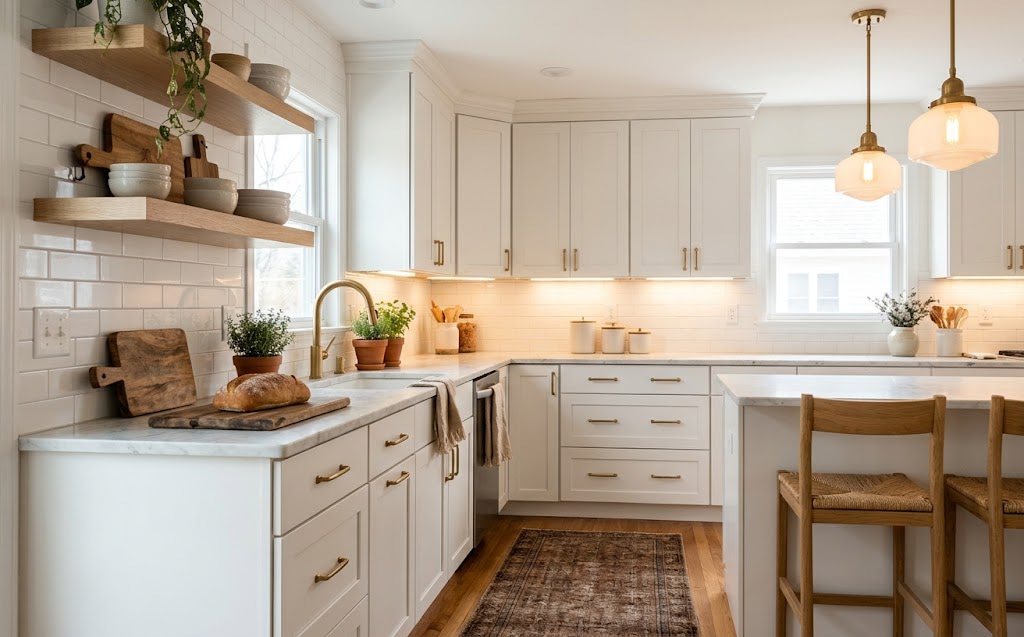
An existing white kitchen does not necessarily need new cabinetry to feel current. Sometimes the surrounding finishes, lighting, and decorative details are what make the space appear outdated.
Targeted updates can introduce warmth, contrast, and personality while preserving the features that already work well.
Lighting has a major influence on how white cabinetry looks. Cool, overly bright lighting can make the kitchen feel harsh, while warmer, well-balanced illumination creates a softer and more welcoming atmosphere.
Under-cabinet lighting, decorative pendants, and carefully positioned ceiling fixtures can add depth while improving everyday functionality.
Natural materials can transform the atmosphere of a white kitchen without requiring a complete renovation. Wood accents, textured tile, stone countertops, and warmer flooring introduce visual interest while preserving the brightness of white cabinetry.
The goal is to create a coordinated combination of finishes rather than adding unnecessary decorative elements. This connects with the ideas explored in The Temperature of a Kitchen: Why Some Spaces Feel Warm and Inviting, where lighting, color, and materials influence the overall feeling of the space.
Cabinet handles, faucets, and decorative lighting may seem like small details, but they can noticeably change a kitchen's character. Brushed brass introduces warmth, polished nickel creates a refined appearance, and darker hardware adds contrast.
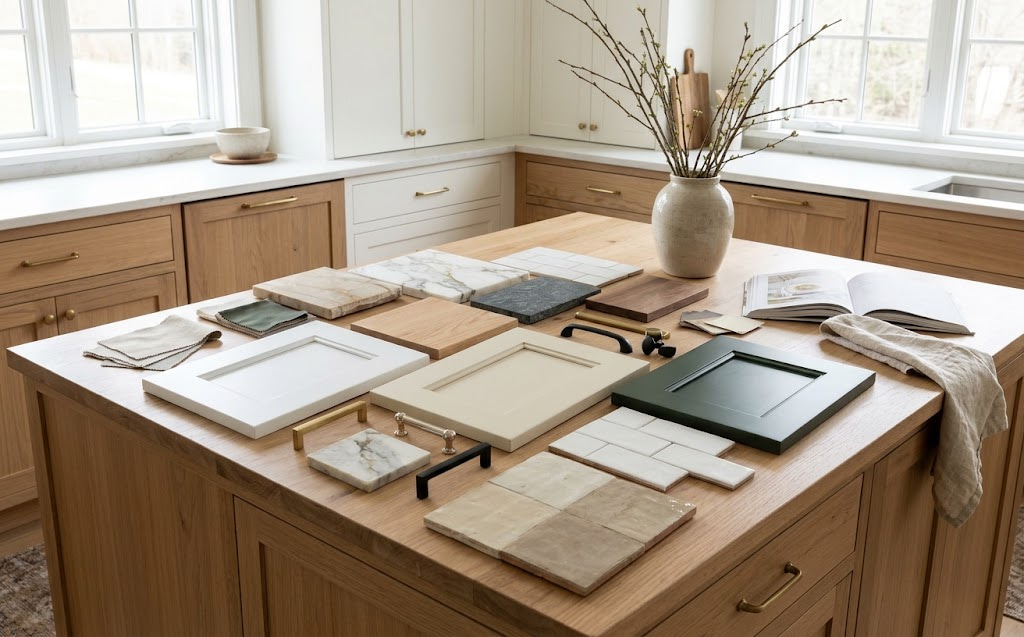
Choosing a kitchen color should involve more than following the latest design trends. Cabinetry is a long-term investment, and the right finish should complement the home's architecture, available light, and the homeowner's personal preferences.
Rather than focusing entirely on what will be fashionable in 2027, homeowners should consider which colors and materials will remain enjoyable and practical for years.
White kitchens can remain timeless when they feature balanced proportions, quality materials, and a design that complements the surrounding home.
However, no color guarantees a timeless result. Poorly coordinated finishes or an impractical layout can make any kitchen feel outdated, regardless of whether the cabinetry is white, wood, or another color.
Combining white cabinetry with wood or colored finishes can create a kitchen that feels both classic and contemporary. White upper cabinets with wood lower cabinets, for example, can maintain brightness while introducing warmth.
A contrasting island or pantry wall can also add personality without overwhelming the room. This approach connects with How to Choose a Kitchen Design That Matches Your Home's Architecture, which emphasizes creating a kitchen that feels consistent with the rest of the home.
Start by considering natural light, flooring, surrounding rooms, and how you want the kitchen to feel. A bright, airy kitchen may benefit from lighter cabinetry, while a warmer or more dramatic atmosphere may call for wood or deeper colors.
Before making a final decision, evaluate material samples in the actual space under different lighting conditions. Professional Kitchen Design Services can help coordinate colors, cabinetry, countertops, and finishes into a design that suits both your home and lifestyle.
White kitchens are not going out of style, but the way homeowners design them is evolving. Warmer neutrals, natural wood, textured materials, and contrasting finishes are creating new opportunities for kitchens that feel more personal and inviting.
For Long Island homeowners, the best approach is not to abandon white or follow every new trend. It is to choose colors and materials that complement the home's architecture, support everyday living, and remain appealing over time. A truly timeless kitchen is one that feels right for your home, not just for the year it was designed.
Explore how white kitchens are evolving in 2027 with warmer colors, natural wood, and modern finishes that balance timeless elegance with personal style.