.webp)


Discover how thoughtful layout, materials, lighting, and design details can make a kitchen feel luxurious ,even without expensive appliances.



When people think about luxury kitchens, they often imagine expensive appliances, oversized refrigerators, or professional chef ranges. But in reality, many of the most beautiful kitchens don’t rely on expensive equipment to feel special. Instead, luxury is created through design choices that shape how the space feels, flows, and functions. The moment you walk into a well-designed kitchen, you can sense the difference.
A luxurious kitchen feels calm, balanced, and effortless. Nothing looks crowded, and every element feels intentional. Materials complement each other, lighting highlights key areas, and the layout naturally supports how people cook and gather. These qualities are the foundation of thoughtful design and are central to the philosophy behind Jeff Boico’s approach to kitchen design. Rather than focusing only on products, the goal is to create spaces where architecture, materials, and functionality work together.

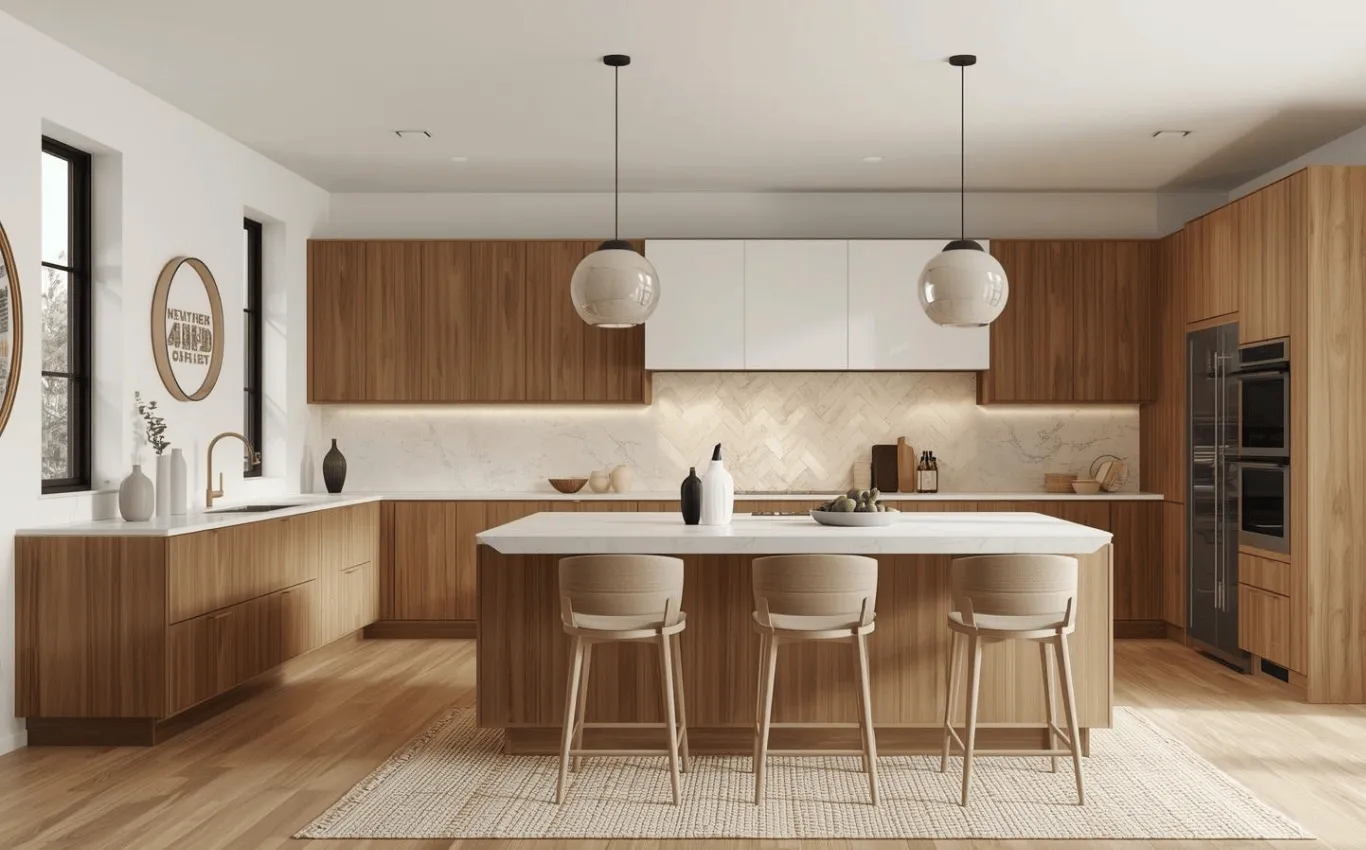
The first thing people notice in a kitchen is not the appliances, it’s the way the space is organized. A balanced layout instantly creates a sense of calm and refinement.
Good kitchen design focuses on how people move through the room. When the proportions are correct, the kitchen feels spacious and intuitive, making everyday tasks easier and more enjoyable.
Luxury kitchens rarely feel crowded. Designers carefully plan the spacing between cabinets, counters, and appliances so movement feels natural.
Important layout considerations include:
When these elements are aligned, the room immediately feels more refined.
The island is often the visual center of the kitchen. Its size, placement, and materials influence the entire room.
A great example can be seen in the Great Neck elegant gray and white kitchen, where the island creates symmetry and balance while still functioning as a social and cooking space. The proportions allow the room to feel open while maintaining a strong design focal point.
Luxury kitchens are designed around daily routines. Movement between the sink, refrigerator, and cooking area should feel effortless.
Smart layouts typically include:
These ideas are explored further in the blog The Chef’s Psychology: How Kitchen Layout Shapes the Way You Cook, which highlights how layout affects behavior in the kitchen.
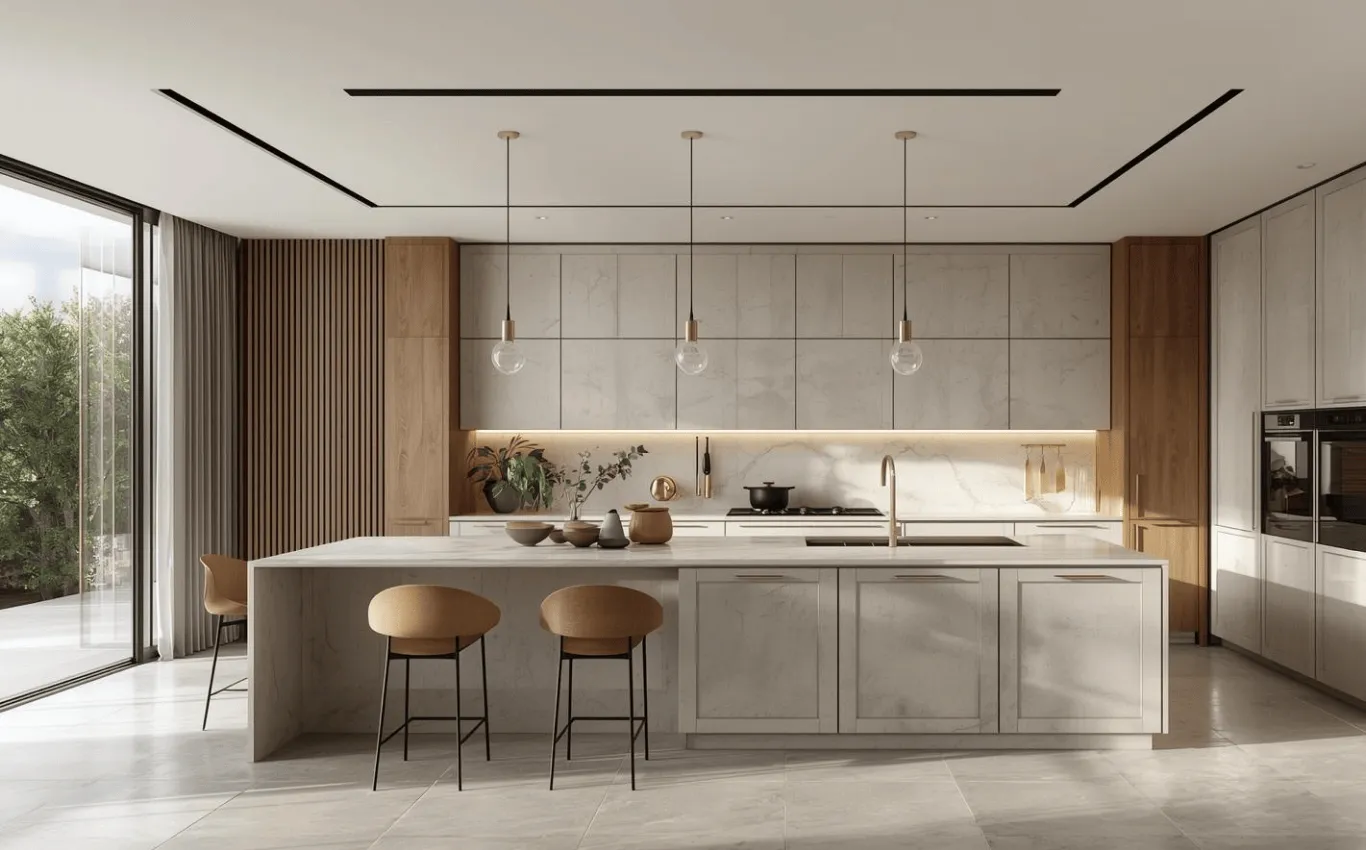
Luxury kitchens often feel refined because of their materials - not necessarily their price. What matters most is how finishes, textures, and colors work together.
When materials are carefully selected, they create depth and elegance without overwhelming the space.
Luxury kitchens usually rely on a limited palette of complementary colors. Instead of mixing too many shades, designers choose tones that work together harmoniously.
Common combinations include:
The Upper Brookville contemporary blue and white kitchen demonstrates how a clean palette can create a modern yet timeless atmosphere.
Texture is another element that elevates a kitchen. Smooth stone countertops, painted cabinetry, and subtle metal accents all contribute to a layered appearance.
The key is balance. Too many textures can feel chaotic, while the right mix adds visual richness.
Designers often combine:
This combination creates contrast without clutter.
Many high-end kitchens rely on simplicity rather than decoration. Clean cabinetry, hidden storage, and uncluttered surfaces create a refined appearance.
This approach often includes:
The result is a kitchen that feels calm, modern, and timeless.
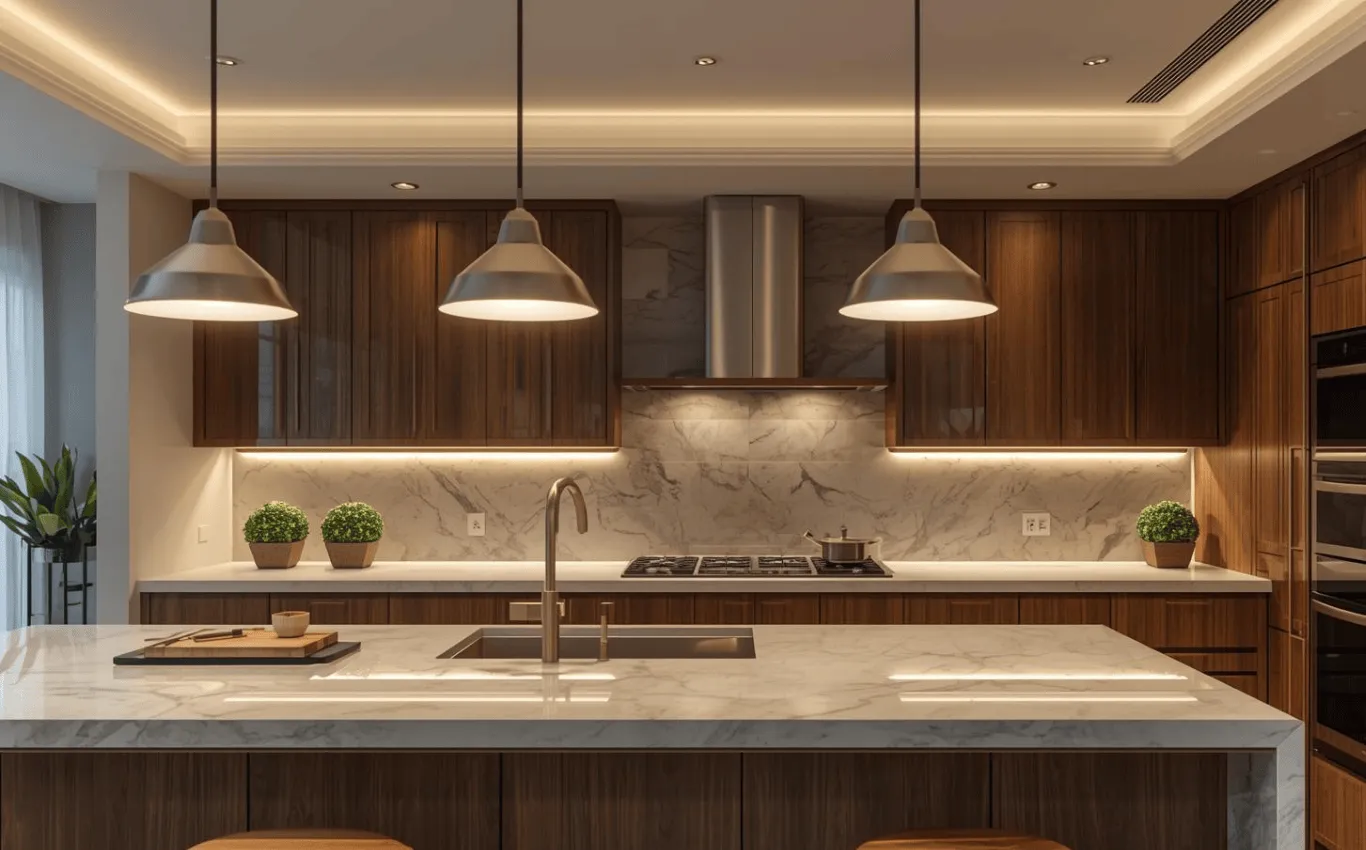
Lighting is one of the most powerful design tools in a kitchen. Even a simple kitchen can feel luxurious when lighting is thoughtfully planned.
The right lighting enhances materials, improves functionality, and sets the mood for the room.
Luxury kitchens rarely rely on a single ceiling fixture. Instead, designers combine multiple lighting sources to create depth.
Typical layers include:
This layered approach allows the kitchen to feel dynamic rather than flat.
Strategic lighting can emphasize the most beautiful elements of the kitchen.
For example, pendant lights over an island draw attention to the centerpiece of the room, while under-cabinet lighting highlights countertops and backsplashes.
These techniques are discussed in the article Elevating Your Kitchen with Lighting, which explores how lighting enhances both function and design.
Color temperature also plays a role in luxury. Warm lighting tones create a comfortable atmosphere and complement natural materials.
Cool lighting may feel bright, but warmer tones typically make kitchens feel more welcoming and relaxed.
This subtle shift in lighting temperature can dramatically influence how the space feels.

Luxury often comes from small details that people don’t immediately notice. These elements quietly elevate the design and make the kitchen feel intentional.
Attention to detail is one of the defining features of professional kitchen design.
Cabinetry dominates the visual space of a kitchen, making it one of the most important design elements.
Luxury kitchens emphasize:
These details create visual harmony across the entire room.
Hardware, faucets, and fixtures may seem small, but they strongly influence the overall design.
Popular choices include:
These subtle accents enhance the kitchen without overpowering it.
Custom storage solutions help kitchens stay clean and uncluttered. When everything has a place, the room naturally feels more refined.
Examples of smart storage include:
These thoughtful solutions are often part of Custom Kitchen Design Services, where storage and functionality are carefully planned.
A luxurious kitchen isn’t defined by expensive appliances. Instead, it comes from thoughtful design decisions that shape how the space looks and feels.
Balanced layouts, harmonious materials, layered lighting, and subtle details all contribute to a kitchen that feels elegant from the moment you enter. When these elements are designed together, even a modest kitchen can feel sophisticated and timeless.
Many of these design principles can be seen throughout the Jeff Boico kitchen portfolio, where carefully planned layouts and materials transform kitchens into refined living spaces.
A luxurious kitchen isn’t defined by expensive appliances. Instead, it comes from thoughtful design decisions that shape how the space looks and feels.
Balanced layouts, harmonious materials, layered lighting, and subtle details all contribute to a kitchen that feels elegant from the moment you enter. When these elements are designed together, even a modest kitchen can feel sophisticated and timeless.
Many of these design principles can be seen throughout the Jeff Boico kitchen portfolio, where carefully planned layouts and materials transform kitchens into refined living spaces.

What makes a kitchen feel luxurious isn’t always the appliances, It’s the design behind the space. This article explores how layout, materials, lighting, and thoughtful details can create a refined and timeless kitchen atmosphere.