.webp)


Your kitchen design affects how you cook and feel. Discover how layout, flow, and functionality can improve comfort and daily efficiency.



You don’t just cook in your kitchen, you move through it, and every step is shaped by its design. That’s why two kitchens with the same materials can feel completely different, one smooth and intuitive, the other frustrating and exhausting.
It’s not about skill, it’s about environment. The way your kitchen is designed affects how you cook, move, and feel every day, and the right layout can completely transform your experience.
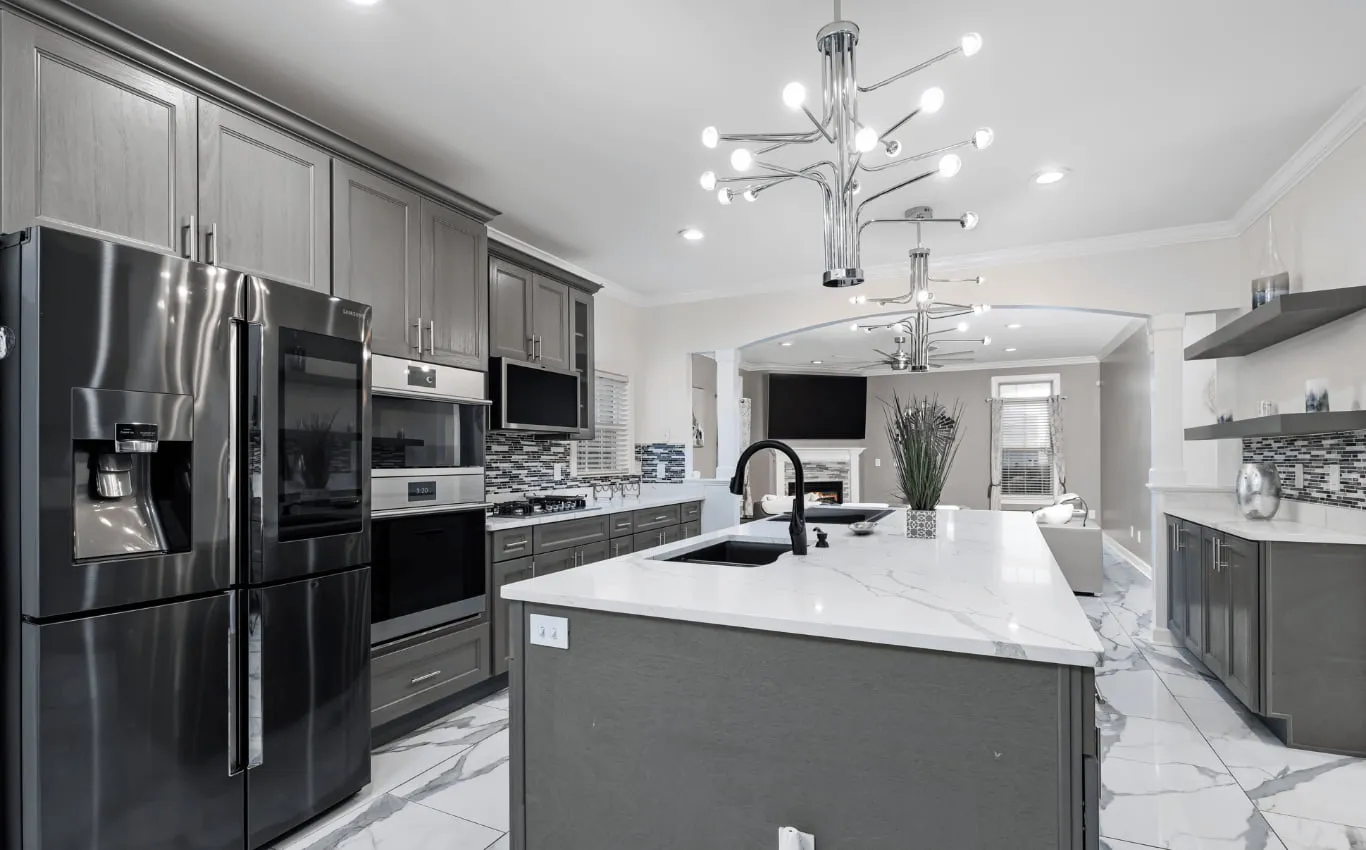
A kitchen isn’t just a collection of cabinets and appliances, it’s a system that either supports you or works against you. When designed correctly, everything flows naturally. When it’s not, even simple tasks feel harder than they should.
One of the most important principles in kitchen design is how you move between key areas. The classic concept known as the kitchen work triangle connects the sink, stove, and refrigerator to create efficient movement and reduce unnecessary steps.
When this flow is optimized:
When it’s not, you end up walking more, reaching more, and working harder than necessary.
Individually, small design issues don’t seem like a big deal. But over time, they create constant friction.
Think about:
These micro-movements add stress, both physically and mentally.
Modern kitchen design is shifting away from rigid rules and focusing more on how people actually use their space. Instead of forcing a layout, the goal is to create a kitchen that adapts to your habits and lifestyle.
This is where true design begins, not with the space, but with the person using it.
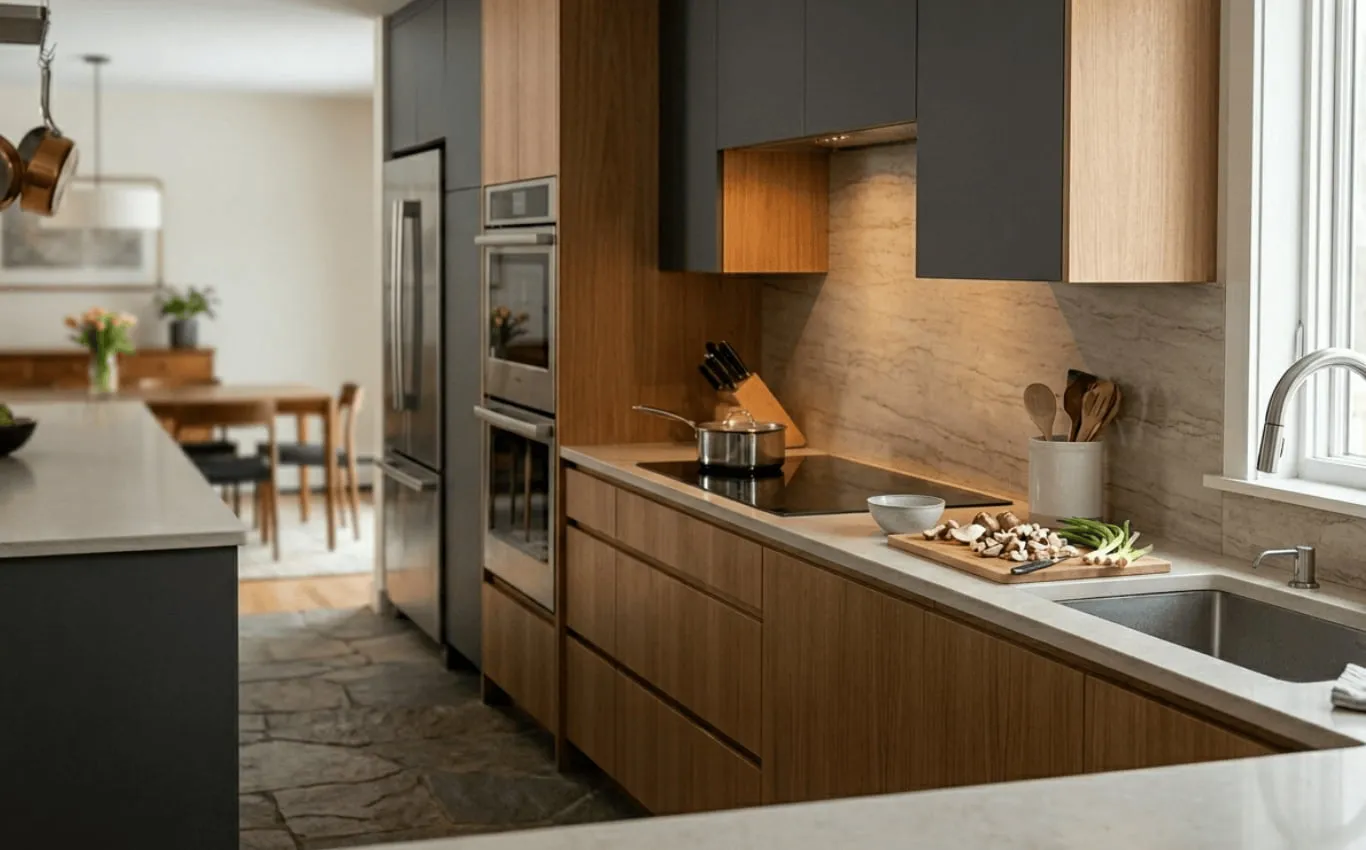
The layout of your kitchen doesn’t just change how it looks, it changes how you cook, step by step.
A well-designed kitchen allows you to move seamlessly between tasks. You prep, cook, and clean without interruption.
A poorly designed one forces you to:
Over time, this affects not just efficiency, but your enjoyment of cooking.
Modern kitchens are moving beyond the triangle and into zoning, where each area is designed for a specific function like prep, cooking, cleaning, or storage.
This creates:
The result is a kitchen that feels organized without trying.
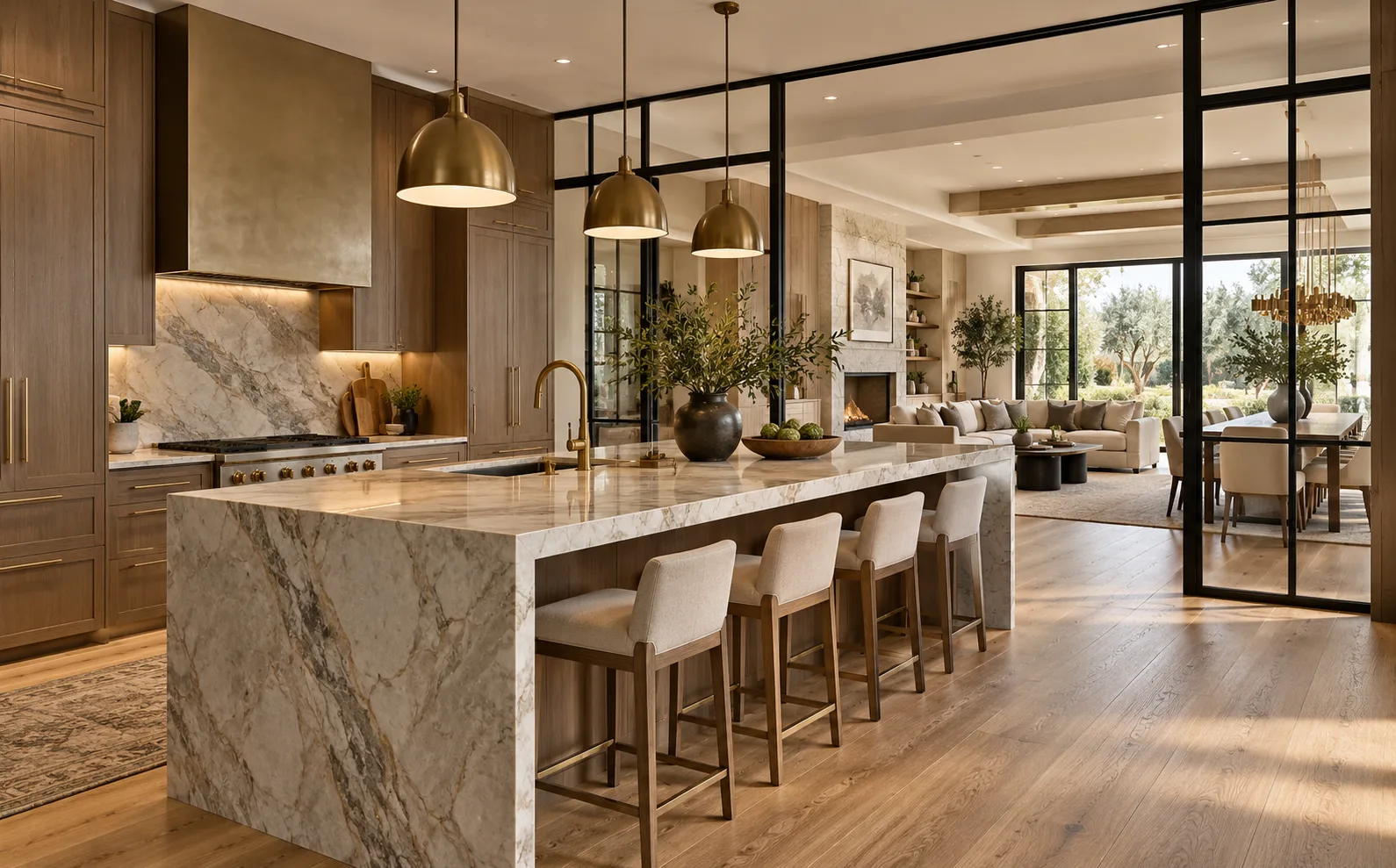
Take a look at this project: Great Neck, NY | Warm Contemporary Textured Kitchen, You’ll notice how the layout isn’t just visually balanced, it’s built for movement. Every element is placed with intention, allowing the user to move naturally between tasks.

A kitchen that works well doesn’t just reduce effort, it reduces stress. That’s where comfort comes in.
Ergonomic design focuses on making the kitchen work with your body, not against it. Poor layouts can lead to discomfort, fatigue, and even long-term strain.
Good design minimizes:
This makes cooking feel easier, even during longer tasks.
Comfort isn’t just physical, it’s psychological. A cluttered or inefficient kitchen creates mental noise. A well-designed one creates clarity.
When everything is where it should be:
This connects with ideas explored in The Emotional Geography of the Modern Kitchen, where space and behavior are deeply linked.
The best kitchens don’t demand your attention. They disappear into the background, allowing you to focus on what you’re doing.
That’s the difference between:
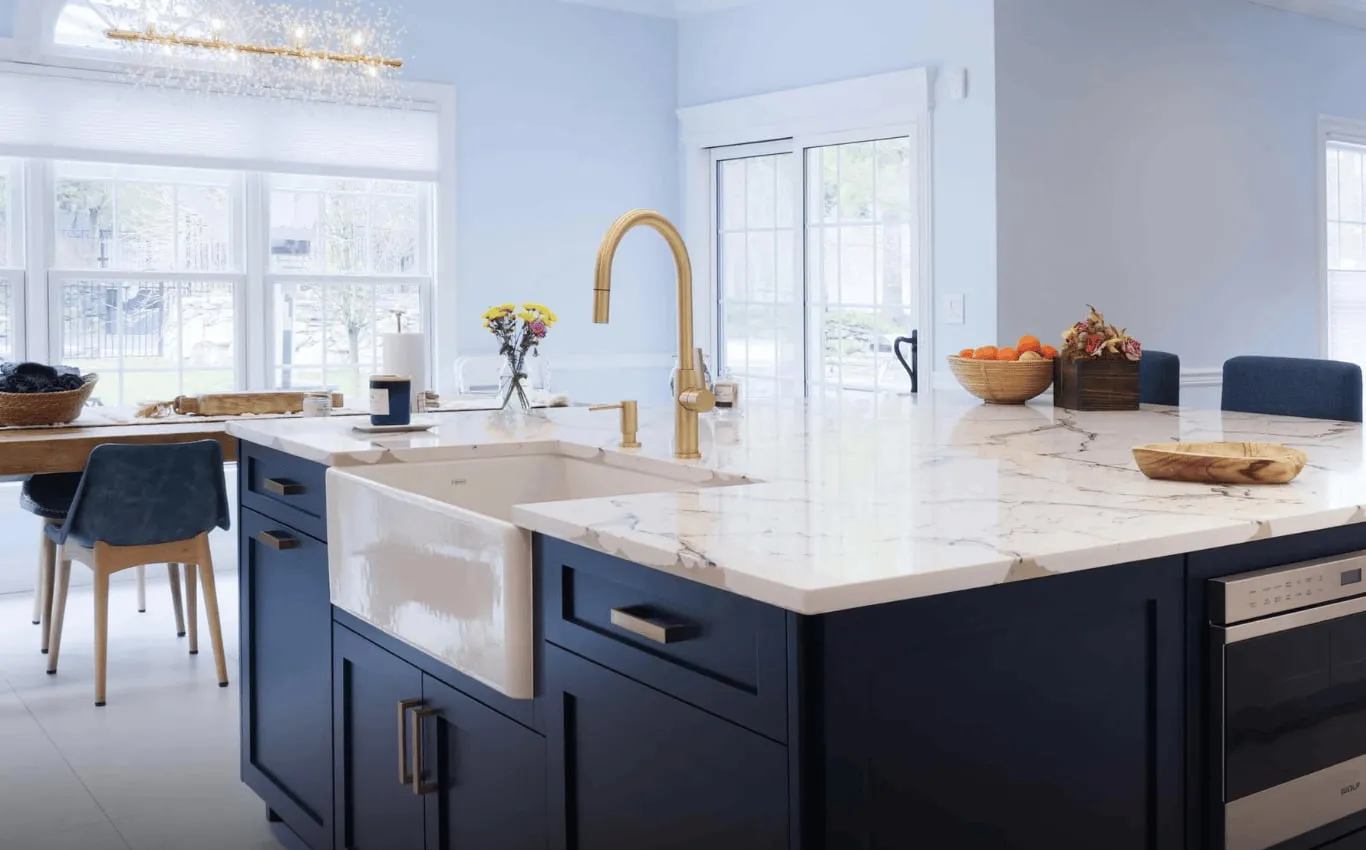
Every design choice, even small ones, affects how your kitchen feels and functions.
Storage isn’t just about space, it’s about access. If your storage is poorly planned, you’ll constantly interrupt your flow.
Effective storage:
This connects with insights from Maximizing Your Kitchen Storage Potential, where usability is just as important as capacity.
Lighting plays a major role in comfort. It affects your energy, your focus, and your mood.
A well-lit kitchen includes:
Without this balance, even a beautiful kitchen can feel harsh or uninviting.
Explore this project:
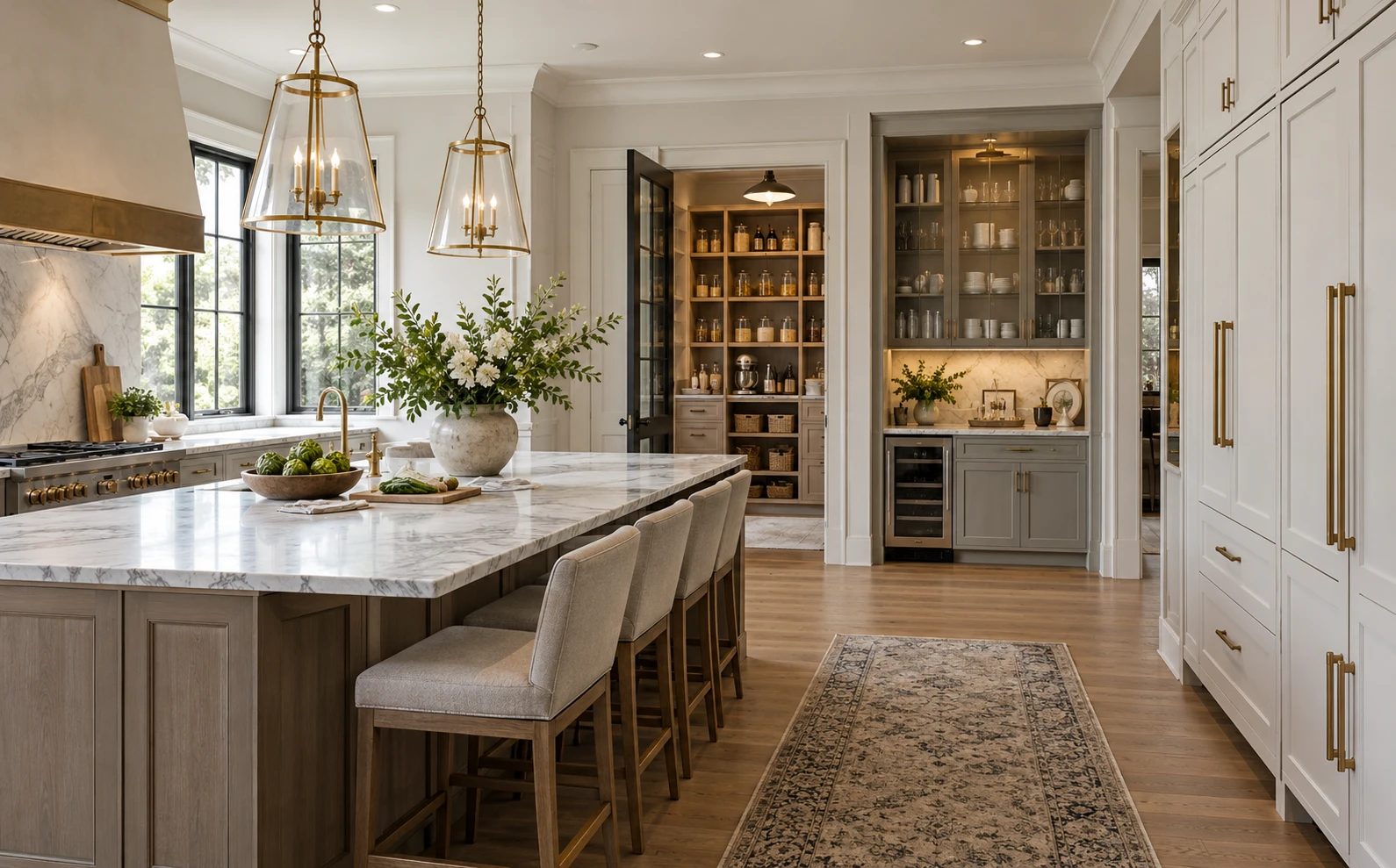
Residential | Nesconset NY, This kitchen shows how materials, layout, and lighting come together to create a space that feels both functional and comfortable, not just visually appealing.
The way your kitchen is designed shapes everything, how you move, how you cook, how you feel, and how you experience your home. It’s not just about making the space look good, it’s about making it work seamlessly with your daily life.
When the design is right, cooking becomes easier, faster, and more enjoyable. The space feels natural, not forced. And instead of adapting to your kitchen, your kitchen adapts to you.

Your kitchen design shapes how you cook, move, and feel every day. Discover how layout, flow, and smart functionality can improve comfort, efficiency, and your overall cooking experience at home.