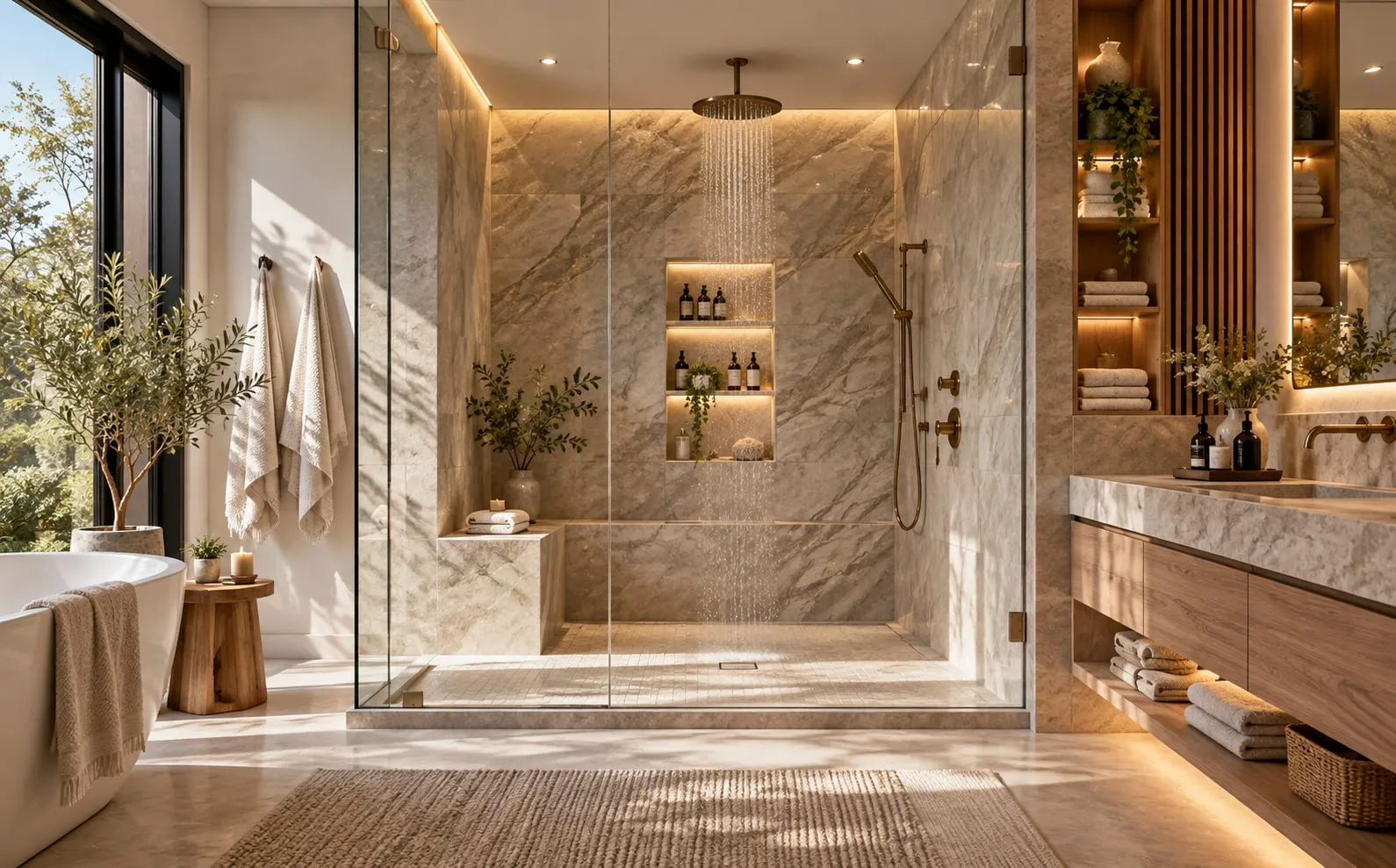
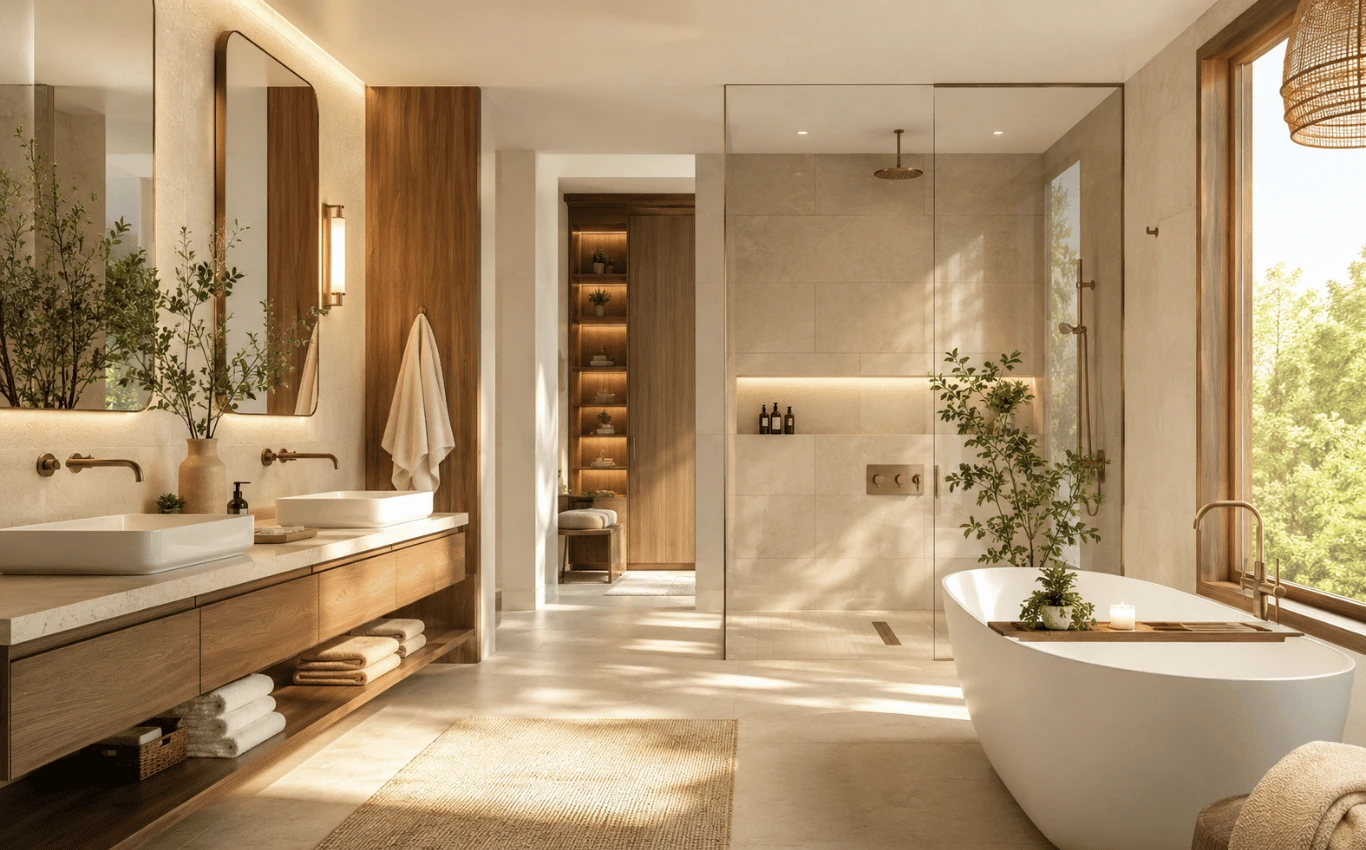
.webp)


Even after a remodel, your bathroom may still feel stressful. Discover the hidden design mistakes that impact comfort, layout, lighting, and daily usability.



You planned everything carefully - premium materials, beautiful finishes, and a layout you thought would finally give you a calm, relaxing space. But now that it’s done, something still feels off. It looks great, but it doesn’t feel as comfortable or effortless as you expected.
This is more common than you think. A bathroom can be visually perfect yet still create daily stress. Because true comfort isn’t just about how a space looks, It’s about how it supports your routine, your habits, and how you feel using it every day.
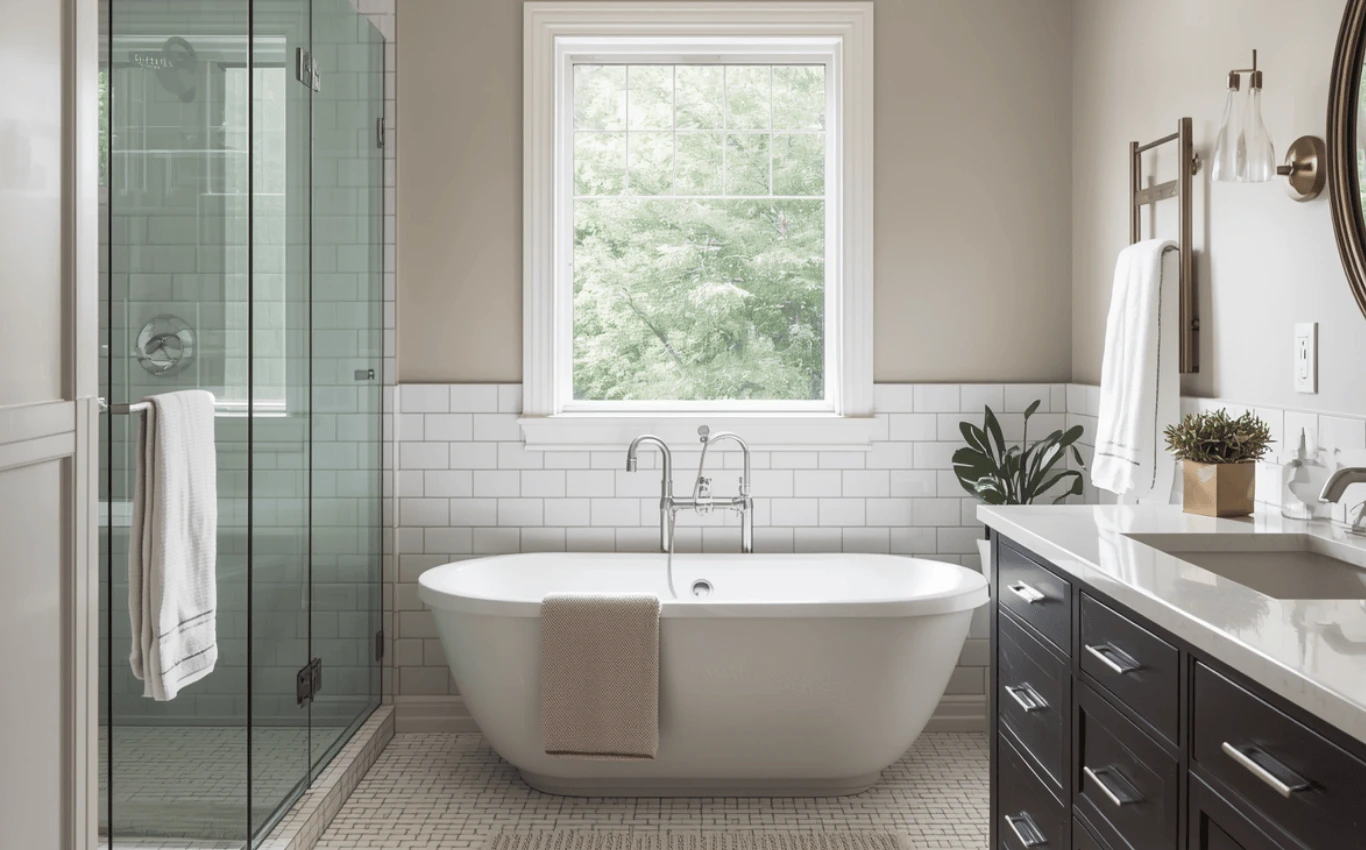

A bathroom’s success isn’t measured by how it looks at first glance, but by how it makes you feel every single day. Many remodels prioritize visual impact over lived experience, which creates a subtle but constant tension in the space.
It’s easy to assume that luxury materials automatically create a relaxing environment. Marble, polished fixtures, and custom cabinetry all contribute to a high-end look, but they don’t guarantee comfort.
A space can feel stressful if:
This is why many homeowners find themselves admiring their bathroom, but not enjoying it.
A well-designed bathroom should align with how you actually use it. But many remodels are based on trends rather than real habits.
Ask yourself:
If not, the design is working against you, even if it looks flawless.
Design isn’t just physical, it’s psychological. The best bathrooms create a sense of calm without you even noticing why.
If you’ve read insights like “The Psychology of Relaxation: How Bathroom Design Affects Your Mind”, you already know that small design decisions can have a big emotional impact. When those details are missing, the result is subtle stress that builds over time.

Even minor layout decisions can have a major effect on how a bathroom feels. When the layout isn’t optimized, the space becomes harder to use, even if it looks spacious.
One of the most common issues is the lack of clear separation between wet and dry zones. When water spreads easily across the space, it creates both physical discomfort and visual clutter.
A strong layout clearly defines:
Without this structure, the bathroom feels chaotic rather than controlled.
Many homeowners try to include everything, double vanities, oversized tubs, large showers, without considering scale. The result is a space that feels cramped despite its size.
Looking at projects like the Great Neck, NY | Porcelain & Brushed Nickel Bath ,You’ll notice how balance and spacing create a sense of openness, even with premium features.
A bathroom should feel intuitive to move through. If you’re constantly stepping around obstacles or adjusting your position, the layout is adding friction to your routine.
A strong design considers:
For more examples of well-planned layouts, explore the Full Portfolio .

These are the details most people overlook, but they’re often the biggest contributors to daily frustration.
Lighting isn’t just about visibility, it shapes your entire experience of the space.
Common problems include:
At 7 AM, you need clarity. At 11 PM, you need calm. One lighting setup can’t do both effectively.
Custom cabinetry often focuses on appearance, not usability. If your storage doesn’t match your habits, clutter will return quickly.
Effective storage should:
This is where insights from topics like “The Hidden Costs of Overdesigning a Bathroom” become relevant, overdesign often sacrifices practicality for aesthetics.
Bathrooms are rarely designed with sound in mind, but acoustics play a huge role in how a space feels.
Echoes, hard surfaces, and poor insulation can make the room feel:
This is especially important in open or shared layouts, where sound travels more easily.

The root of the issue often comes down to how the project was approached. Many remodels prioritize trends, visuals, or resale value instead of daily experience.
Trendy designs can look great today but feel outdated, or impractical, very quickly.
Features like:
may not align with how you actually live.
A bathroom that looks perfect in a photo doesn’t always perform well in real life. Social media has shifted focus toward aesthetics, often at the expense of usability.
Real design success comes from:
A successful bathroom starts with understanding the client, not just the space.
For example, in the Point Lookout | Modern Earth-Toned Bathroom, The design reflects not just materials and layout, but a deeper understanding of how the space will be used and experienced.
If your bathroom still feels stressful after a remodel, the issue isn’t necessarily what you chose, it’s how those choices came together. True comfort comes from alignment, between design and routine, between aesthetics and function, between space and emotion.
The most successful bathrooms don’t demand your attention, they quietly support your day, from the moment you wake up to the moment you wind down. When every detail is working in harmony, the space stops feeling like something you manage, and starts feeling like somewhere you belong.

High-end remodels often fail if they favor looks over lifestyle. Discover the hidden stress triggers, like poor lighting and bad zoning and learn how to align your bathroom’s design with your daily routines for true relaxation.