.webp)


Discover how thoughtful bathroom design can help you unwind after a long day. Learn how layout, lighting, materials, and details create a calming, spa-like expe



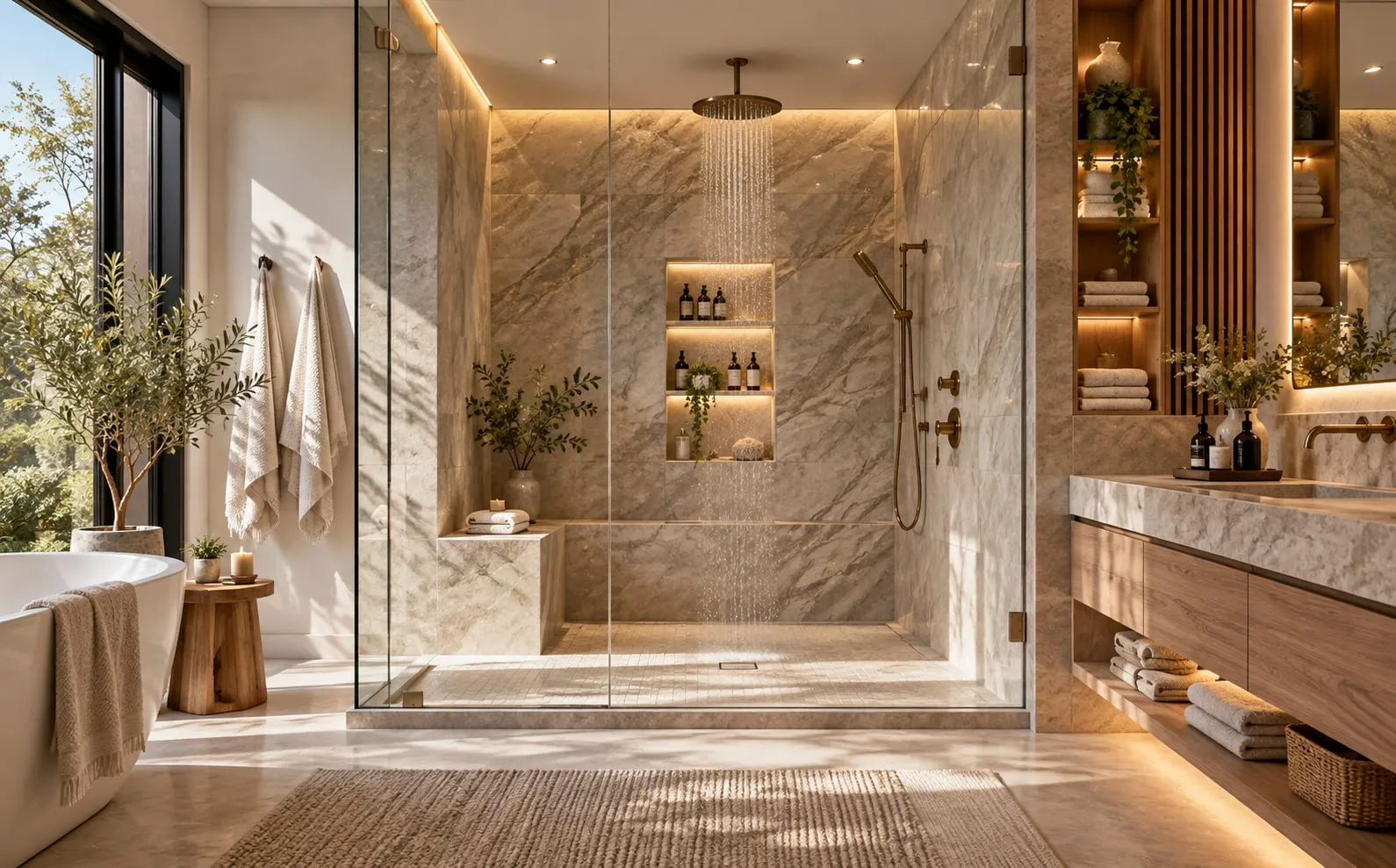
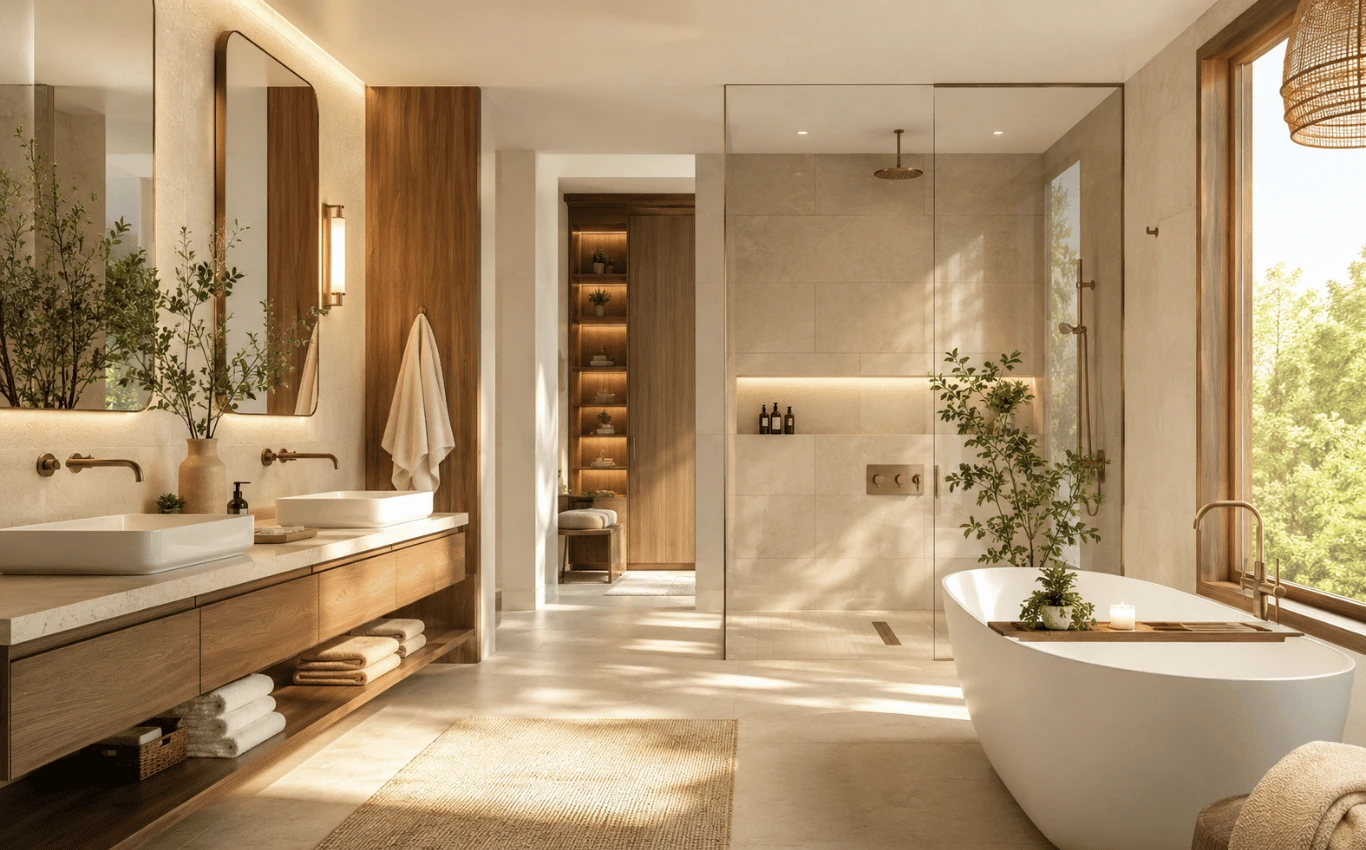
After a long day, most people aren’t looking for luxury in the traditional sense, They’re looking for relief. A quiet moment. A place to reset. The bathroom, more than any other space in the home, has the potential to provide that transition from stress to calm. Yet many bathrooms are designed only for function, missing the opportunity to support how we actually feel at the end of the day.
A well-designed bathroom does more than serve a purpose, it creates an experience. Through thoughtful layout, soft lighting, calming materials, and intentional details, the space begins to slow you down the moment you enter. This is a key part of Jeff Boico’s design philosophy where bathrooms are approached not just as functional rooms, but as personal retreats designed to support comfort, relaxation, and daily routines.
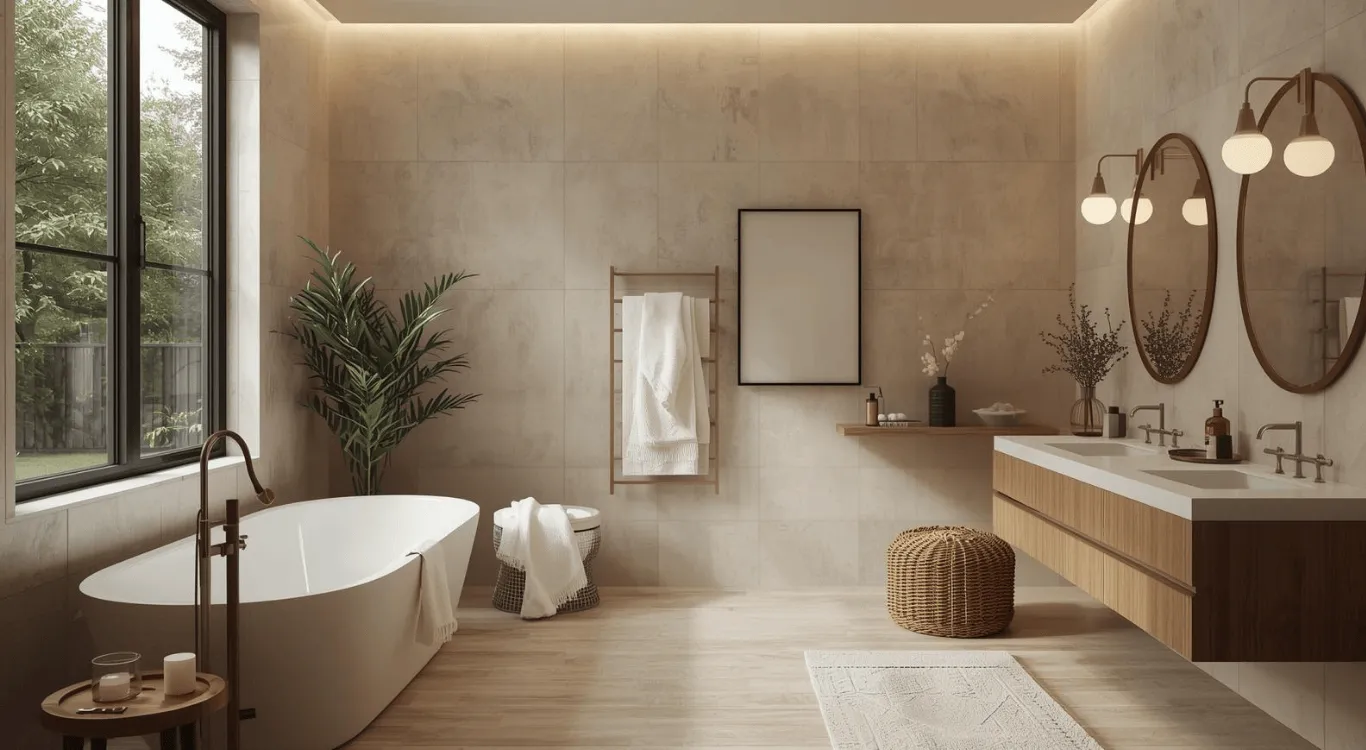

The way a bathroom is arranged plays a major role in how it feels. A cluttered or awkward layout can add stress, while a balanced one creates a sense of ease.
A calming bathroom separates key areas so each task feels intentional. Instead of everything competing for attention, the layout allows each function to breathe.
This often includes:
When these zones are defined, the room feels more organized and less overwhelming.
It’s not about how big the bathroom is, it’s about how it flows. Movement should feel natural, with no tight corners or interruptions.
Good flow means:
These layout principles are often explored in the blog The Psychology of Relaxation where design and emotional response are closely connected.
Too many visible items can make a bathroom feel chaotic. A calm space hides what isn’t needed.
Designers often incorporate:
This creates a quieter visual experience, which directly supports relaxation.
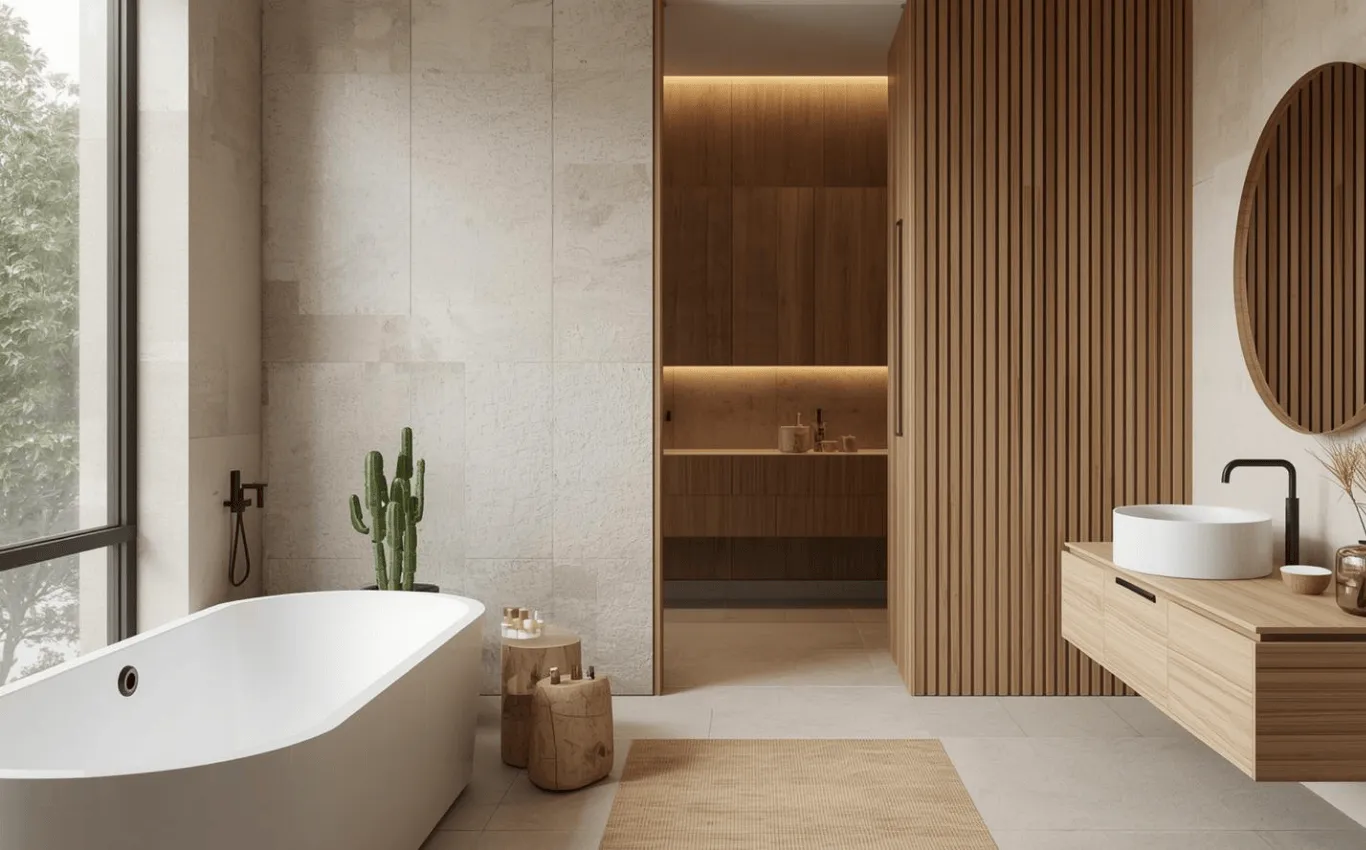
Materials play a powerful role in how a bathroom feels. Certain finishes instantly create a sense of warmth and comfort.
Colors have a strong emotional impact. Bathrooms designed for relaxation often use soft, neutral tones.
Popular choices include:
These colors reflect light gently and create a peaceful atmosphere.
Natural materials help a space feel grounded and organic. They introduce subtle variation and texture without overwhelming the design.
Common materials include:
These elements soften the space and make it feel more inviting.
Luxury in bathrooms often comes from layering textures rather than adding decoration.
For example:
This layered approach creates depth while maintaining simplicity.
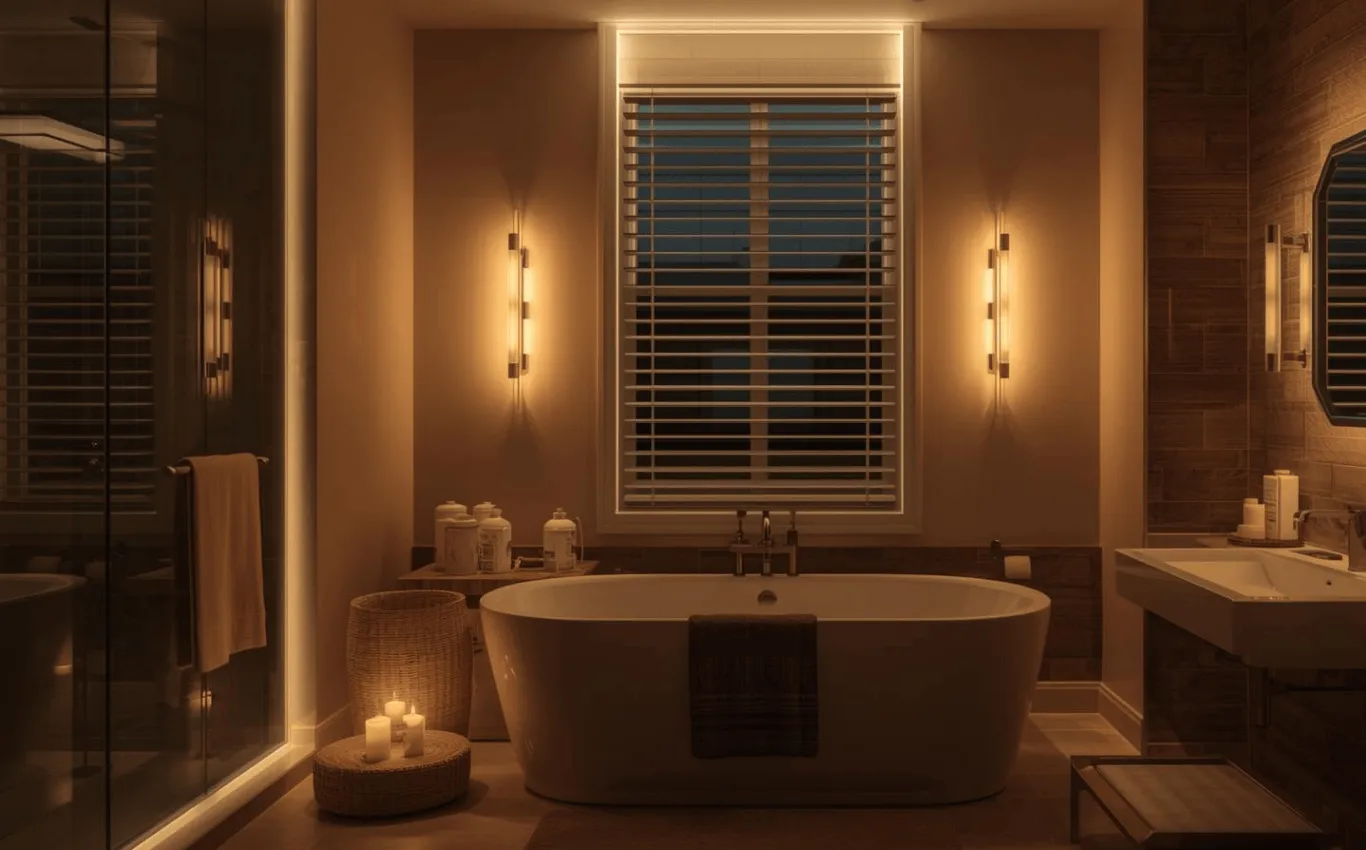
Lighting has one of the biggest impacts on how a bathroom feels at night. Bright, harsh lighting can feel clinical, while softer lighting helps the body relax.
A well-designed bathroom uses multiple light sources instead of relying on one.
This typically includes:
This layered approach allows the space to adapt throughout the day.
Cool lighting may be practical, but it doesn’t feel relaxing. Warm lighting creates a softer, more comfortable environment.
At night, this becomes especially important. Warm tones signal the body to slow down, making the bathroom feel like a retreat instead of a workspace.
Strategic lighting can also draw attention to calming features.
For example:
These details enhance the overall experience and make the space feel more refined.
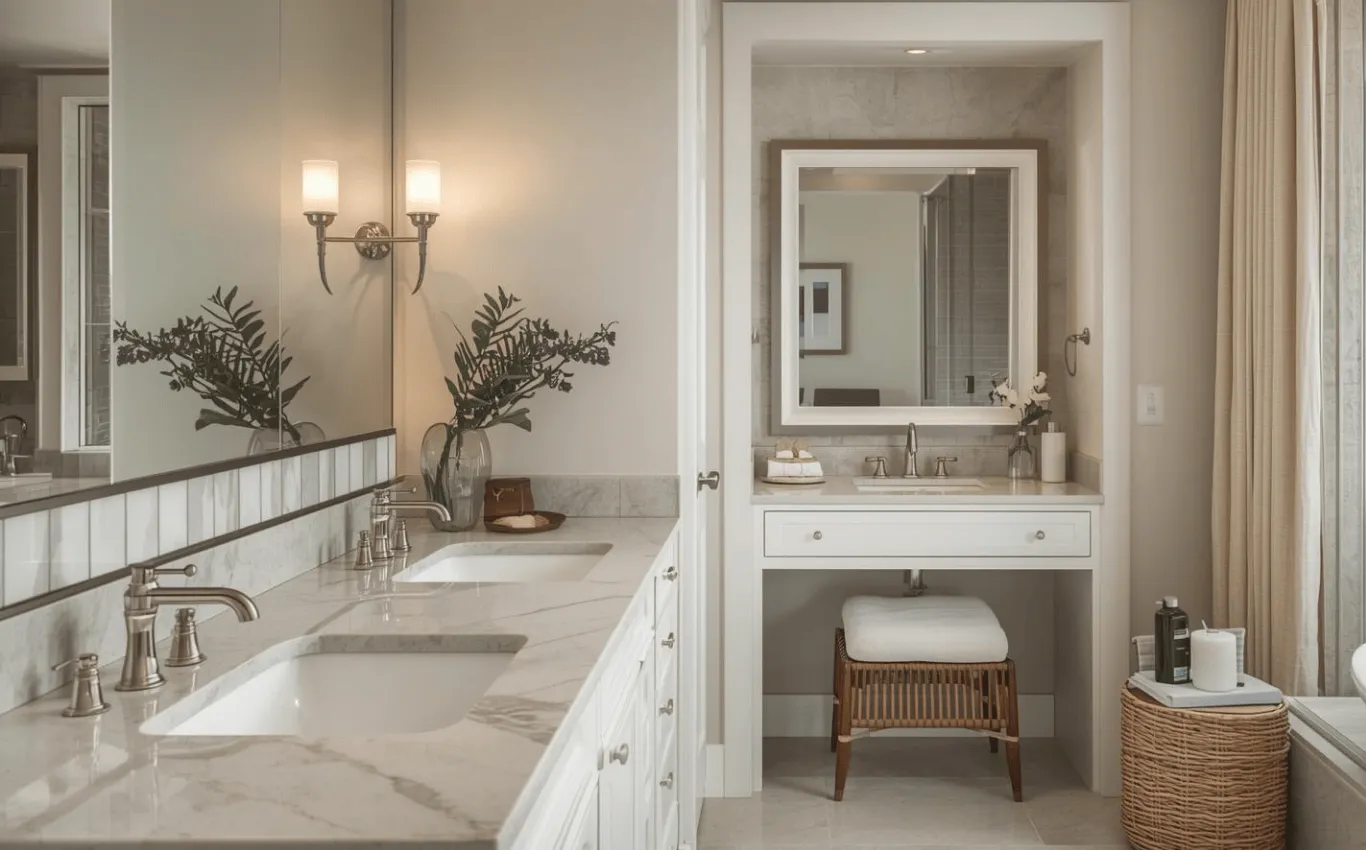
The final layer of design comes from small details. These elements may seem minor, but they shape how the space feels every day.
Clear countertops instantly make a bathroom feel calmer. When everything is in its place, the mind feels less overwhelmed.
This can be achieved through:
A clean surface equals a calmer experience.
The feel of fixtures matters just as much as how they look. Smooth handles, well-positioned faucets, and easy-to-use controls all contribute to comfort.
These small interactions happen daily, so they play a big role in how the space is experienced.
A truly relaxing bathroom is designed around how you actually use it.
This may include:
These ideas are often part of custom bathroom design services , where the focus is on creating spaces that support real life.
A bathroom designed for relaxation isn’t about luxury in the traditional sense, it’s about how the space makes you feel. Thoughtful layouts, calming materials, soft lighting, and intentional details all work together to create a space that helps you unwind.
When these elements are carefully designed, the bathroom becomes more than just a functional room. It becomes a place to reset, recharge, and step away from the stress of the day.
You can explore more real-world examples of these ideas in the portfolio, where each space reflects a balance of comfort, functionality, and refined design.

After a long day, your bathroom shouldn’t just be a place you use, It should be a place you escape to. Discover how thoughtful design can transform it into a calming, spa-like retreat that helps you truly unwind.