.webp)


Choosing a bathtub may seem like a simple design decision, but it has a major impact on how your bathroom functions and feels.
Freestanding and built-in tubs offer very different experiences, one focuses on openness and visual impact, while the other prioritizes efficiency and integration. This article explores the differences to help you choose the option that best fits your space and lifestyle.
Before choosing a style, it’s important to understand that a bathtub is not just an isolated feature. It plays a key role in how your bathroom is organized and experienced.
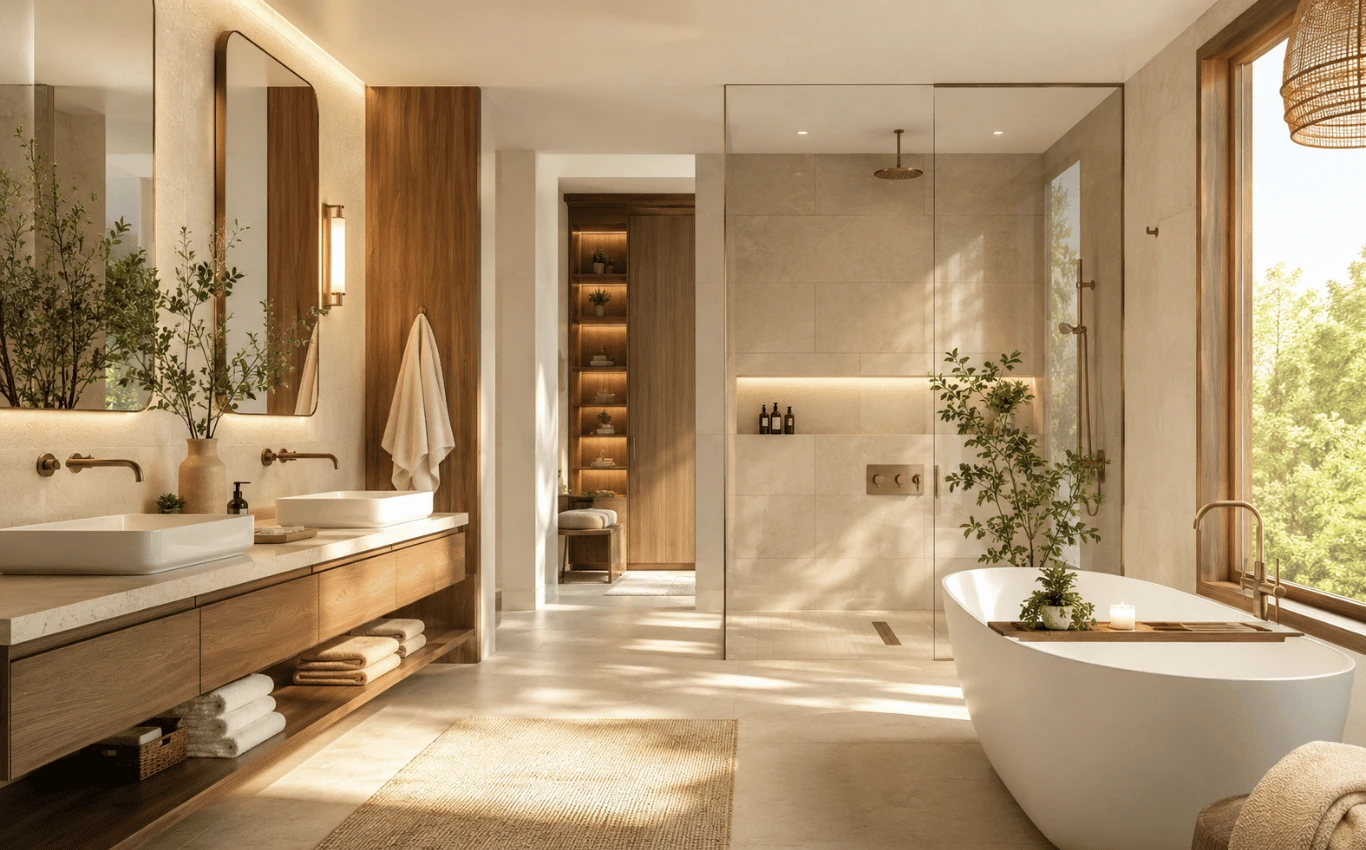
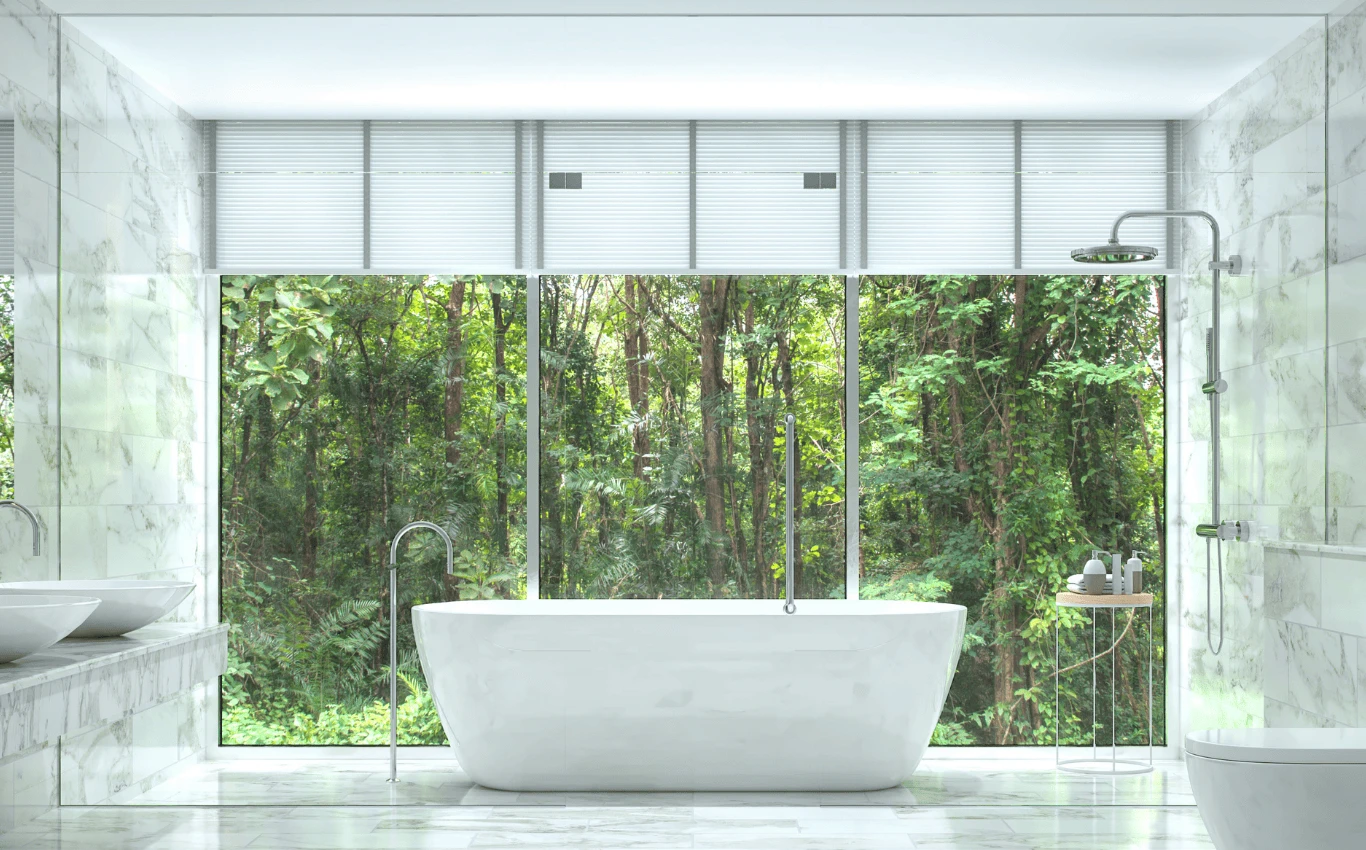
A freestanding tub is designed to stand out. It often becomes the centerpiece of the bathroom, drawing attention and defining the visual tone.
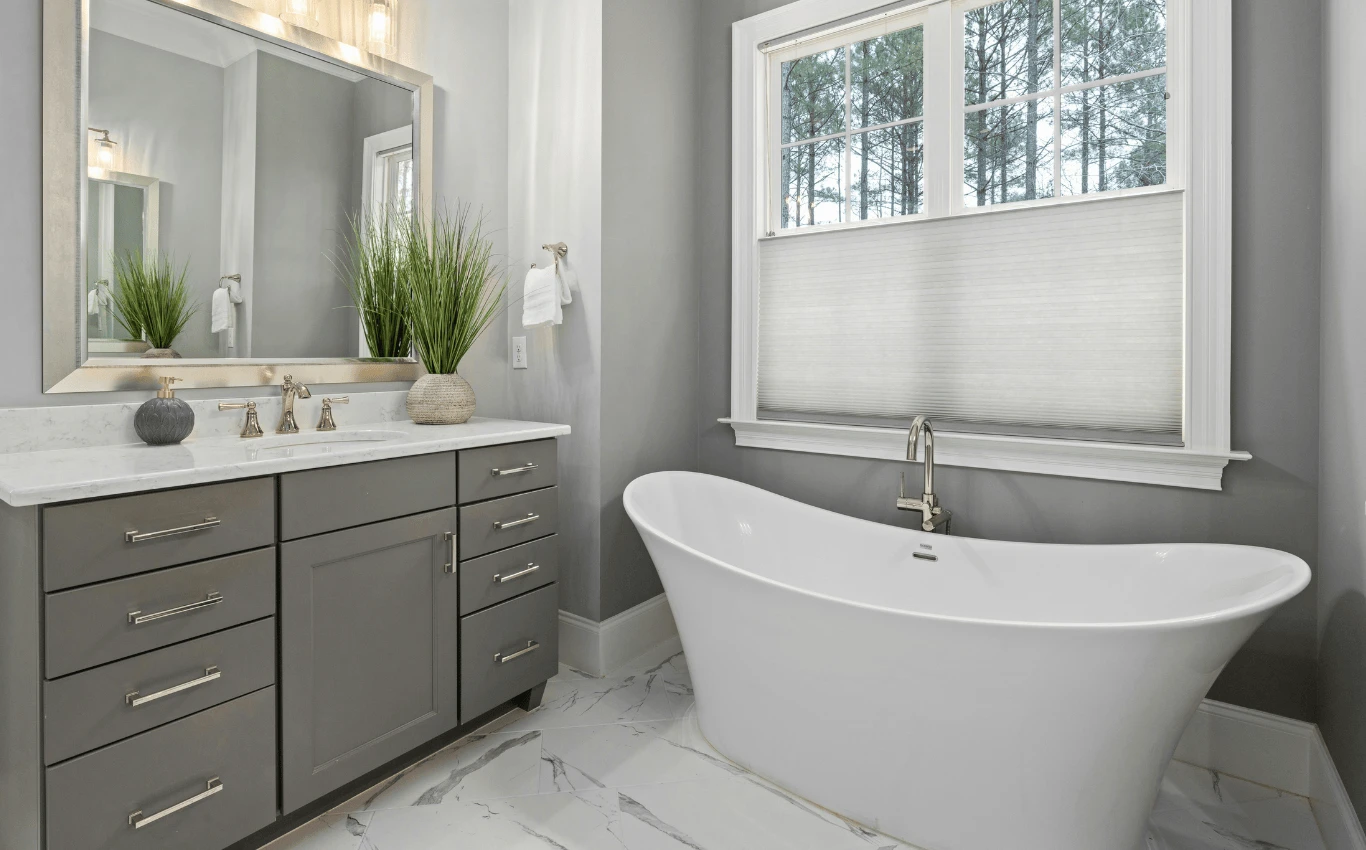
A built-in tub, on the other hand, is more integrated. It blends into the architecture, allowing other elements like the vanity or shower to take focus.
The choice between the two comes down to what you want the bathtub to be:
Freestanding tubs require space around them. They are meant to “breathe,” which means they need thoughtful placement to avoid making the room feel crowded.
Built-in tubs can be placed against walls or within alcoves, making them more efficient in tighter layouts.
This is why layout planning becomes critical, as explored in “Luxury Bathroom Layouts That Feel Open and Organized”, where spacing and positioning define how comfortable a bathroom feels.
The bathtub should never feel disconnected from the rest of the bathroom. It needs to relate to:
A well-placed tub enhances the entire space. A poorly placed one disrupts it.
.webp)
Freestanding bathtubs are often associated with luxury, but their appeal goes beyond appearance.
Because they are not attached to walls, freestanding tubs create visual space around them. This makes the bathroom feel more open and less confined.
They work best in:
A freestanding tub changes how you interact with the space. It feels more intentional, more like an experience than a routine.
It offers:
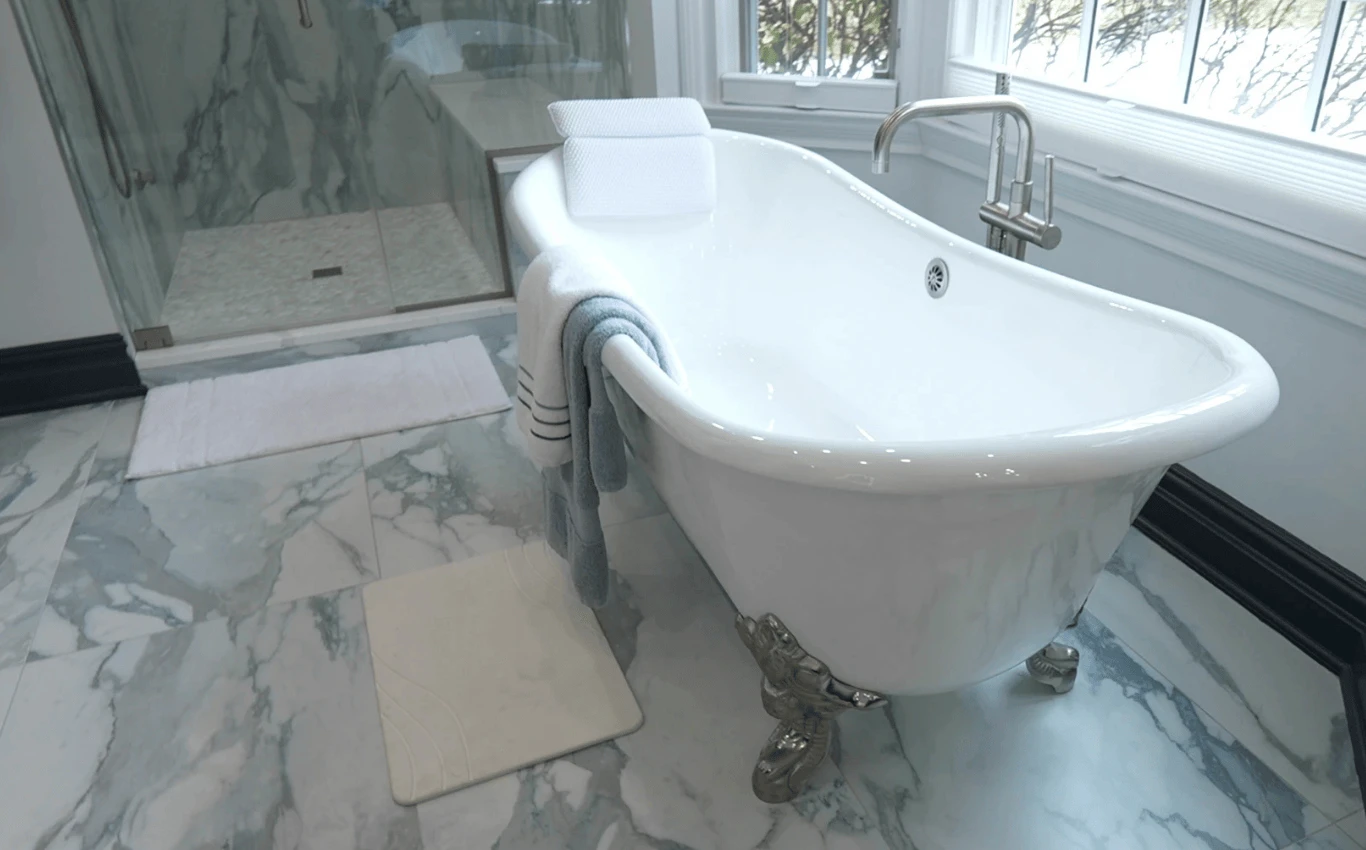
In this project:
Point Lookout, NY | Elegant Marble & Glass Bathroom
The freestanding tub is positioned to enhance both the layout and the atmosphere. It doesn’t just sit in the space, it defines it. The openness around it creates a sense of calm and balance.

Built-in bathtubs are often overlooked, but they offer significant advantages in the right context.
Built-in tubs are ideal for bathrooms where space is limited. By integrating into walls or corners, they reduce wasted space and improve overall functionality.
They are especially effective in:
Built-in tubs often allow for additional features:
This makes them more versatile for daily use.
A built-in tub is often the right choice when:
It may not stand out visually, but it supports the way the space is used.
At the end of the day, the decision between a freestanding and a built-in bathtub isn’t about which one looks better, it’s about which one works better for you. The right choice depends on how you use your space, how much room you have, and what kind of experience you want from your bathroom.
If your bathroom is limited in size or needs to serve multiple functions, a built-in bathtub is often the smarter choice. It integrates seamlessly into the layout, keeps the space organized, and allows for better use of surrounding areas.
On the other hand, if you have more room to work with, a freestanding tub can create a stronger visual presence and make the space feel more open and refined.
Your routine should guide your decision. Think about how often you’ll actually use the bathtub and what role it plays in your day.
The key is choosing what fits your lifestyle, not just what looks appealing.
Beyond function, your choice affects the overall feeling of the bathroom. A built-in bathtub creates a sense of structure and simplicity, while a freestanding tub adds openness and visual impact.
Neither is better, they simply create different experiences.
Freestanding and built-in bathtubs are not competing options, they are different solutions for different needs. One offers openness, presence, and experience. The other offers efficiency, integration, and practicality.
The key is not choosing what looks better, but choosing what works better for your space and your lifestyle. When the decision is made thoughtfully, the bathtub becomes more than a feature, it becomes part of how the entire bathroom functions and feels.