.webp)


Discover why one-person and shared bathrooms should be designed differently. Learn how custom layouts, storage, and lighting create bathrooms that truly work.



A bathroom is one of the most personal spaces in any home, yet it’s often designed as if everyone uses it the same way. In reality, a bathroom built for one person and a bathroom shared by two or more people serve completely different purposes. The difference isn’t just about size or layout, it’s about behavior, routines, privacy, and how the space supports daily life.
When bathrooms are designed without acknowledging these differences, even expensive renovations can feel awkward, inefficient, or frustrating over time. Understanding how single-user and shared bathrooms function differently is the key to creating spaces that feel intuitive, comfortable, and truly custom.
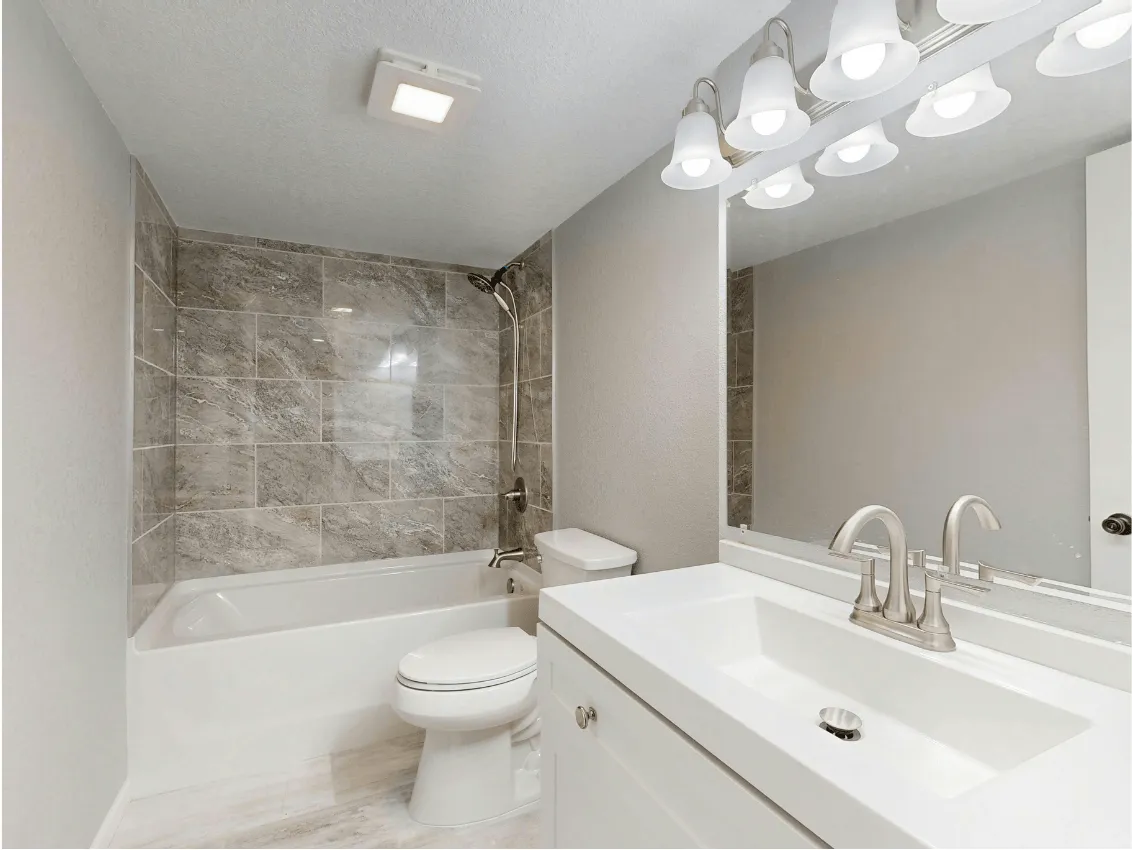
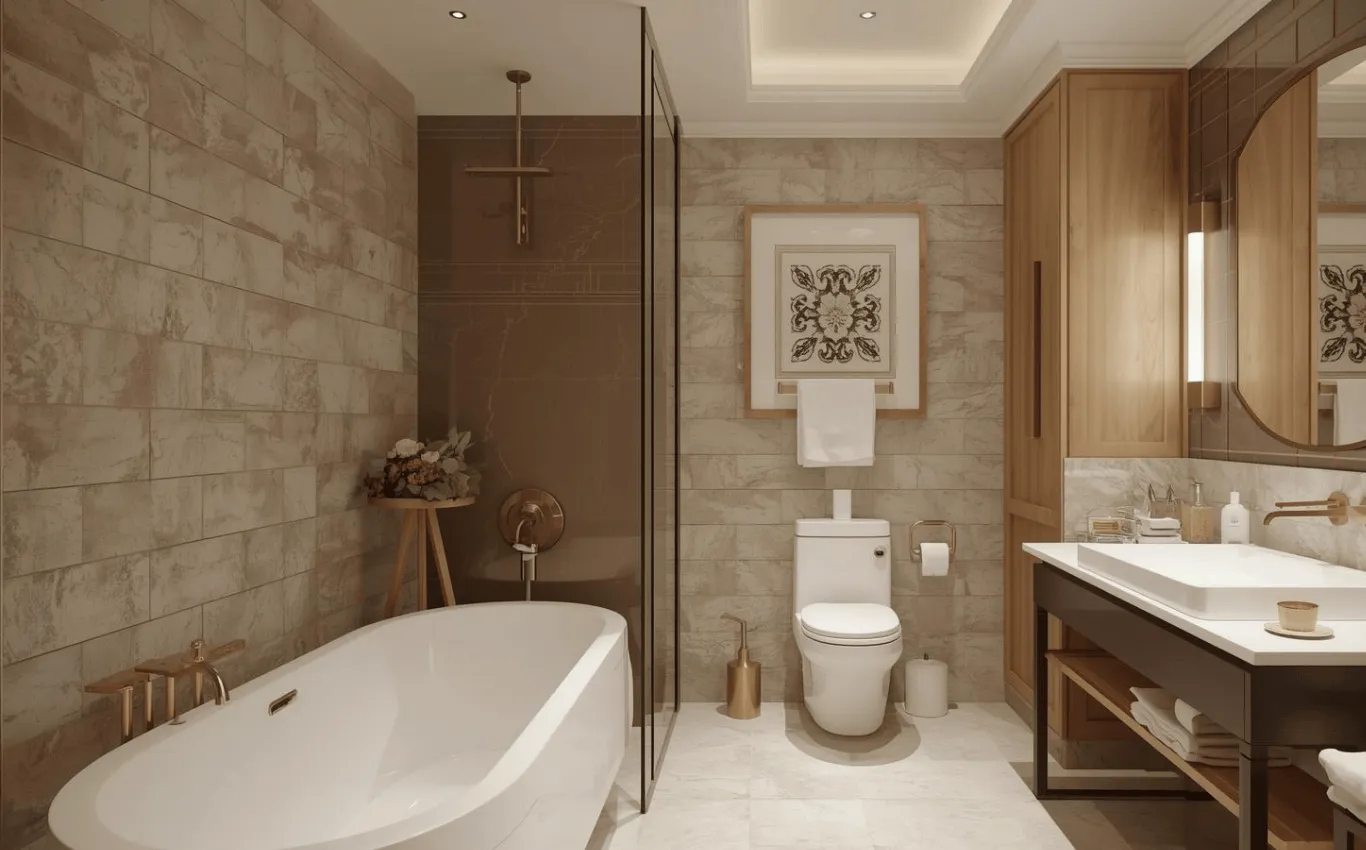
A one-person bathroom is less about compromise and more about alignment. It’s a space that can be tuned precisely to how one individual moves, thinks, and starts or ends the day. When designed properly, it becomes one of the most efficient and calming rooms in the home.
When only one person uses a bathroom, the layout can be centered around a single routine instead of accommodating multiple habits. That means fixture placement, lighting, and storage can all follow a natural sequence, From sink to shower to storage - without interruption. There’s no need to design “just in case” zones for someone else. This approach often results in a space that feels effortless, because every element supports a predictable flow. This level of personalization is a defining characteristic of professional Bathroom Design Services.
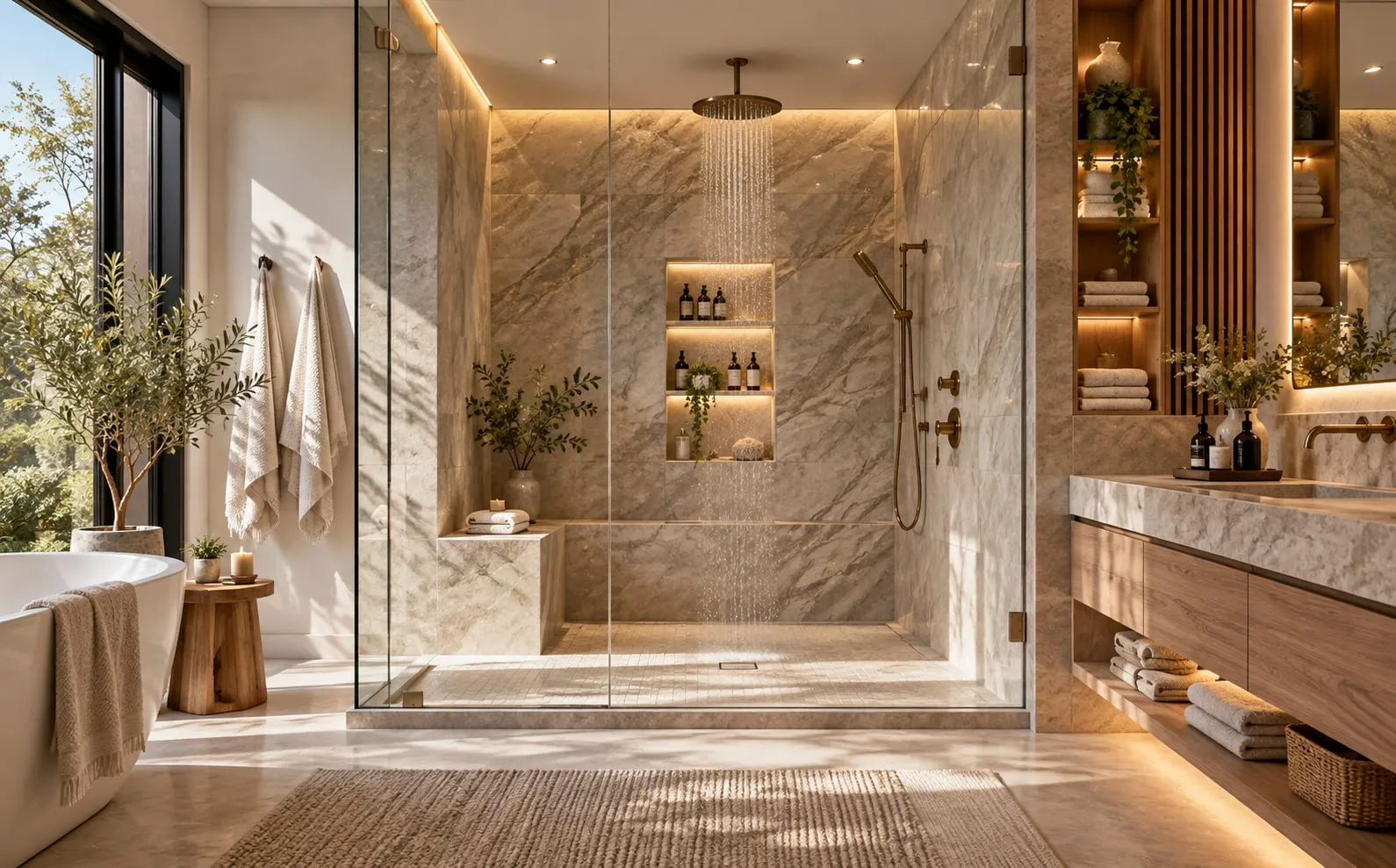
In one-person bathrooms, storage can be highly specific. Instead of generic cabinetry, storage can reflect what the individual actually uses daily - skincare, grooming tools, towels, or wellness items. Because everything belongs to one person, designers can create storage that stays visually clean while remaining deeply functional. This approach is beautifully demonstrated in the Point Lookout, NY | Elegant Marble & Glass Bathroom, where warm materials and intentional storage create calm without sacrificing usability.
Some effective storage strategies include:
Lighting in a one-person bathroom can be calibrated precisely to that individual’s needs. Bright, clear task lighting for morning routines can coexist with softer, warmer lighting for evenings, without needing to accommodate someone else’s preferences. Layered lighting design enhances comfort and reinforces the sense that the space was designed for one person alone.
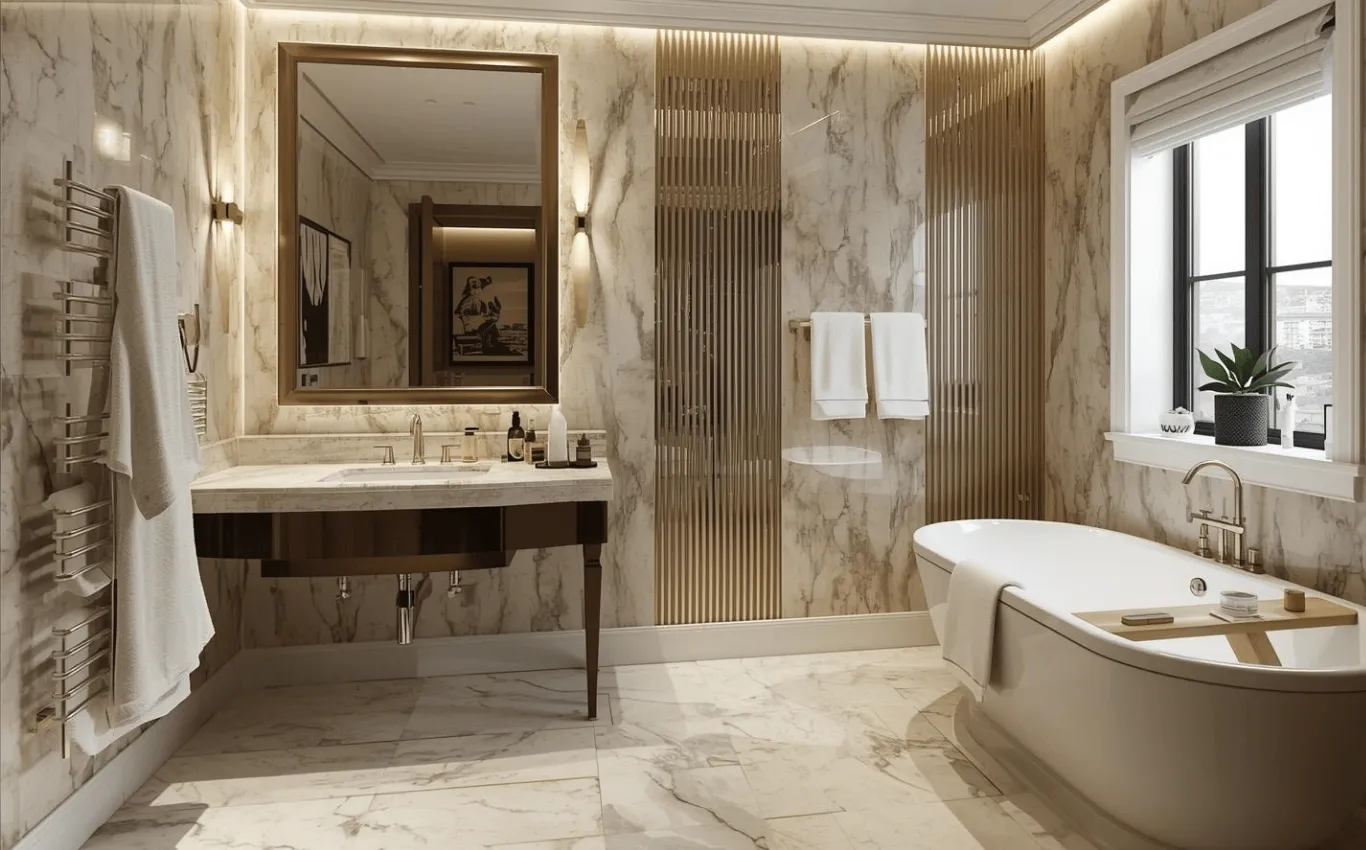
Beyond function, one-person bathrooms often act as personal retreats - spaces that allow for decompression, privacy, and mental reset. This is where emotional design becomes just as important as technical planning.
A bathroom used by one person doesn’t need to signal availability or flexibility. It can be inward-focused. That means quieter materials, softer textures, and layouts that prioritize openness over accommodation. When visual noise is reduced, the bathroom becomes a place where the mind can slow down - an idea echoed in Jeff Boico’s broader design philosophy across his written insights and project work.
In single-user bathrooms, materials don’t need to appeal to a broad audience. Instead, they can reflect personal taste , Whether that’s warm earth tones, neutral stone, or subtle textures. The Nesconset, NY | Modern Gray Spa Bathroom show case how timeless materials and refined restraint can create a deeply personal environment that still feels elevated and enduring.
One-person bathrooms benefit from decisiveness. There’s no need to leave room for future adaptation or shared use. When design decisions are made with confidence, the space feels complete. This sense of finality is often what gives single-user bathrooms their luxurious, hotel-like quality, something many homeowners seek when investing in custom bathroom design.
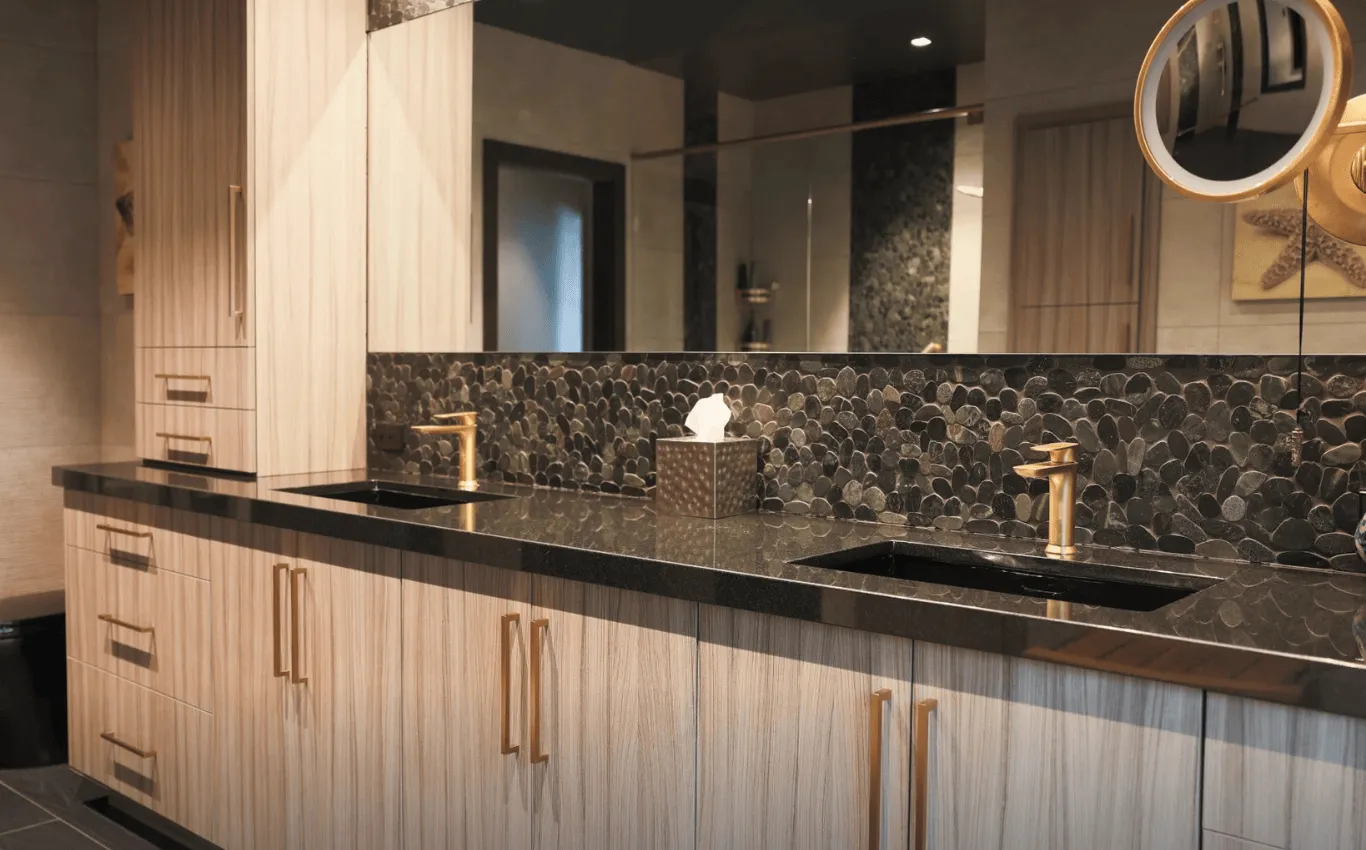
Shared bathrooms operate under a completely different set of rules. When more than one person uses a bathroom daily, the design must anticipate overlap, timing conflicts, and different habits, without making the space feel crowded or chaotic.
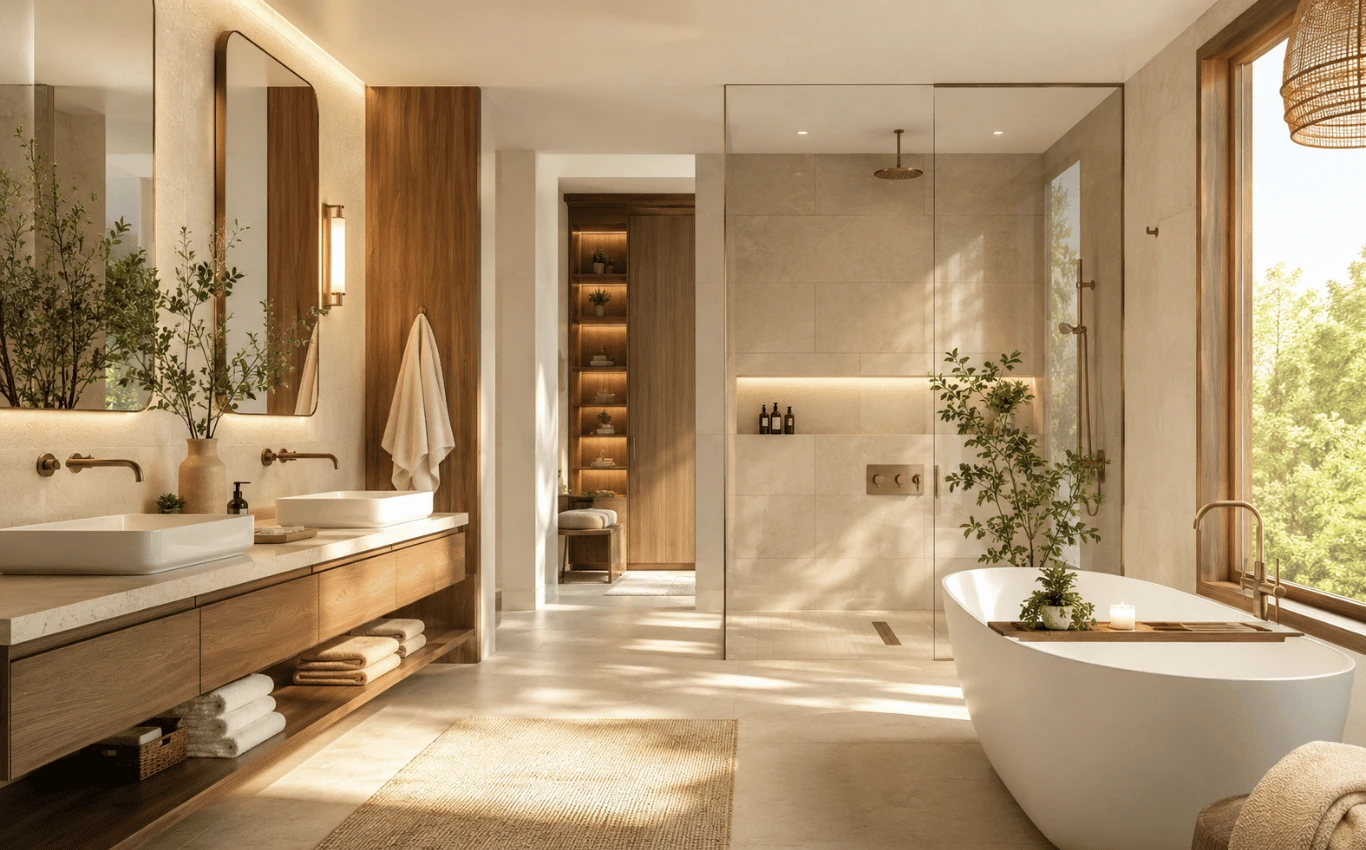
In shared bathrooms, one of the most important strategies is separating functions. Double vanities, divided storage, and clear circulation paths help prevent bottlenecks during busy mornings. Rather than squeezing everything into one central zone, designers often create parallel workflows that allow two people to use the space comfortably at the same time.
Storage in shared bathrooms must be both clear and fair. When storage isn’t clearly divided, clutter accumulates quickly. Thoughtful shared bathrooms use symmetry and repetition to make it obvious which areas belong to whom, helping maintain order even during high-traffic use.
Lighting becomes more complex in shared bathrooms. One person may need bright task lighting while another prefers softer ambient light. The solution isn’t compromise — it’s layering. By separating task lighting from ambient lighting, shared bathrooms adapt throughout the day without forcing users into a single experience.
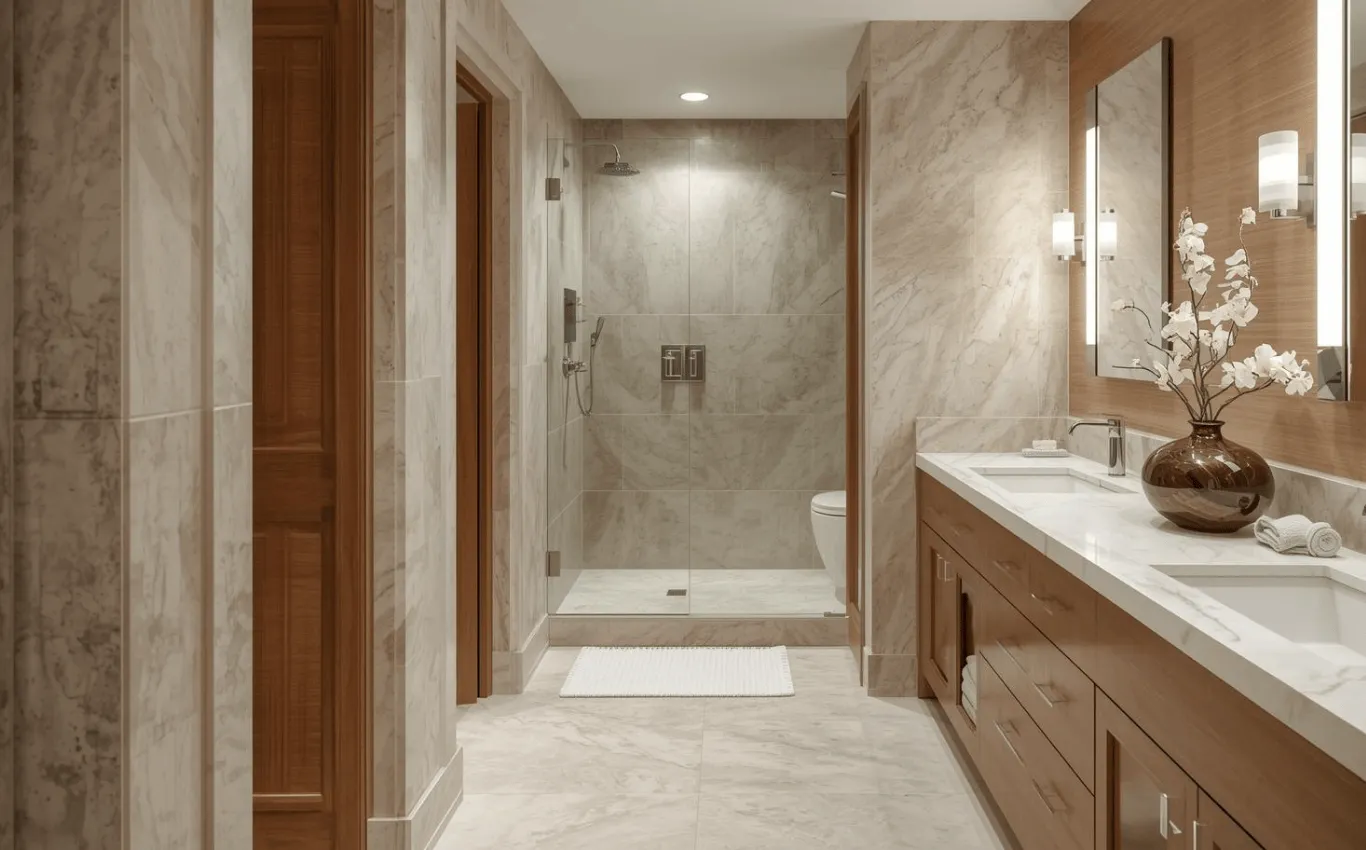
While one-person bathrooms lean inward, shared bathrooms are often more social by nature. They must balance privacy with accessibility, structure with flexibility.
Shared bathrooms need to account for movement. Doors, clearances, and fixture placement must allow people to enter and exit without disrupting others. This is especially important in primary suites or family bathrooms where use overlaps frequently.
Shared bathrooms see more wear, which means materials must be chosen with longevity in mind. High-quality stone, well-finished cabinetry, and durable fixtures ensure the space remains beautiful over time , a consistent theme throughout Jeff Boico’s portfolio of custom projects.
Even with multiple users, shared bathrooms shouldn’t feel visually overwhelming. Clean lines, consistent materials, and limited color palettes help maintain a sense of calm, making the space easier to use and easier to maintain.
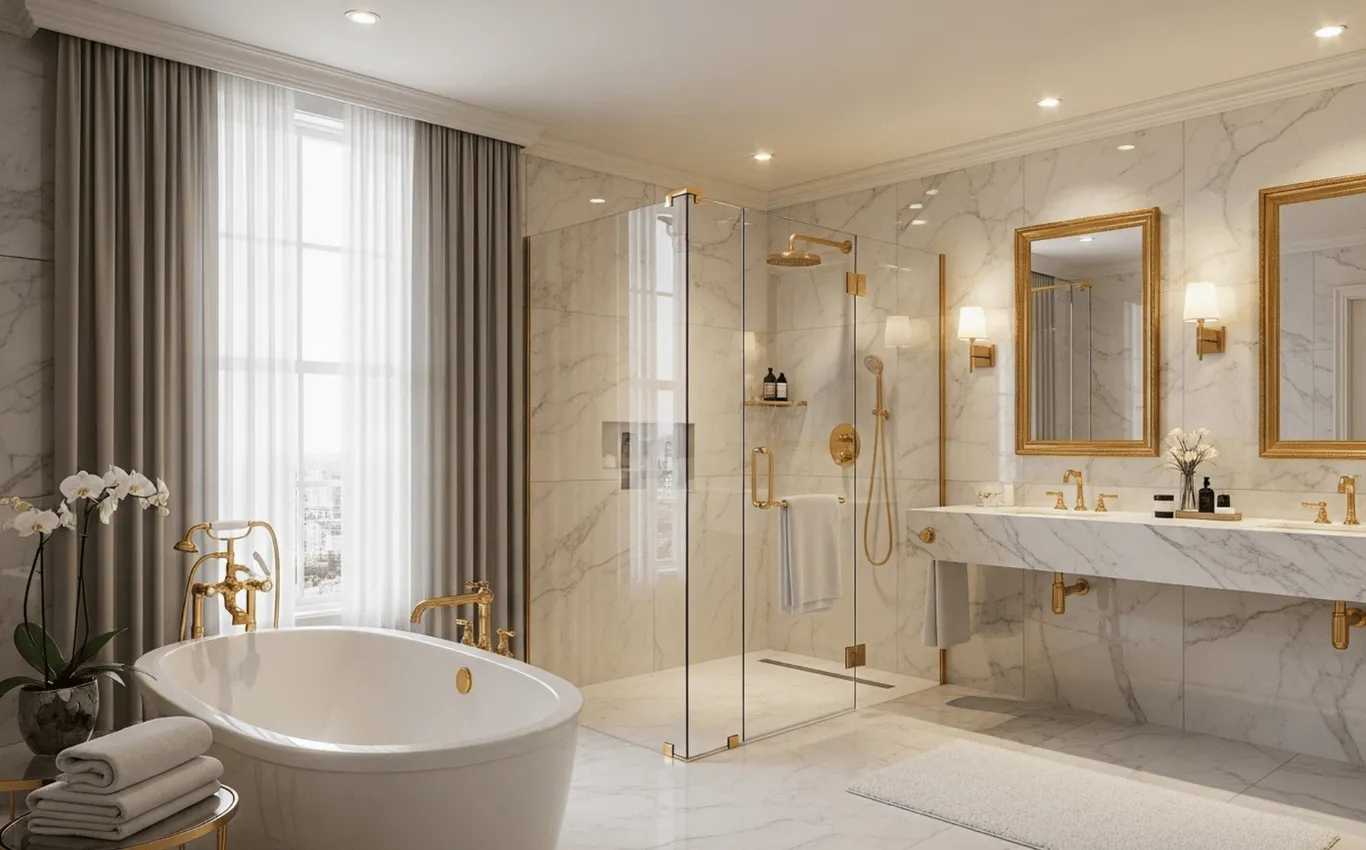
Many homes require both one-person and shared bathrooms and the key to success is recognizing that they should not be designed using the same rules.
A small one-person bathroom can feel more luxurious than a large shared bathroom if it’s designed intentionally. Likewise, a spacious shared bathroom can feel cramped if it isn’t planned correctly. Design should respond to behavior, not assumptions.
Homes benefit from having bathrooms that serve different emotional roles. A private one-person bathroom can function as a retreat, while a shared bathroom focuses on efficiency and durability. Recognizing this hierarchy leads to smarter planning and better long-term satisfaction.
Cookie-cutter layouts rarely account for real routines. Custom bathroom design ensures each space supports how it’s actually used. Working with a professional designer allows homeowners to move beyond trends and toward bathrooms that feel personal, intuitive, and lasting.
One-person bathrooms and shared bathrooms may look similar, but they function very differently. When those differences are acknowledged during the design process, bathrooms become spaces that support daily life rather than complicate it. Whether creating a private retreat or a shared family space, intentional planning is what transforms a bathroom from functional to exceptional.

One-person and shared bathrooms need different design approaches. This article explains how layout, storage, and lighting should adapt to how a bathroom is used.