.webp)


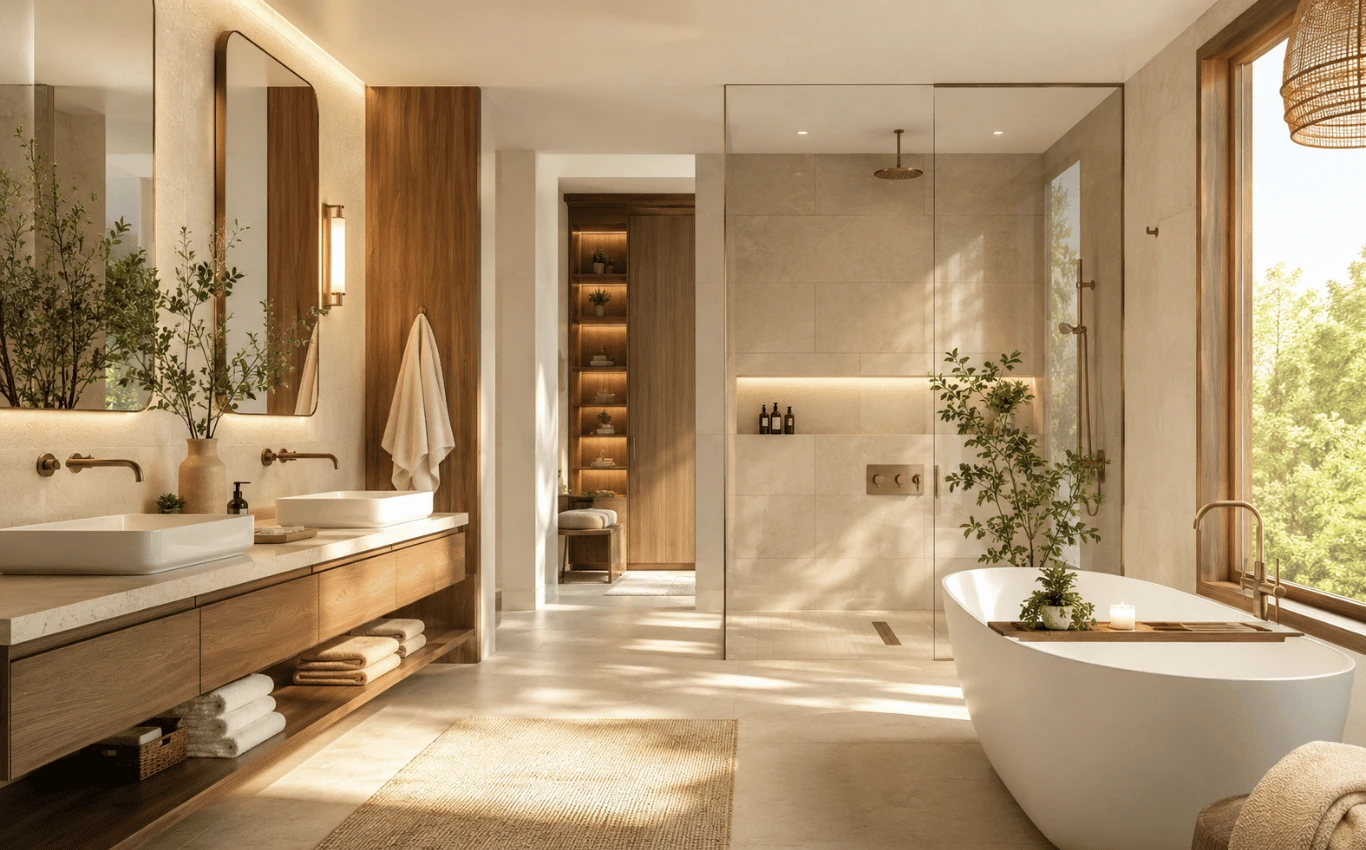
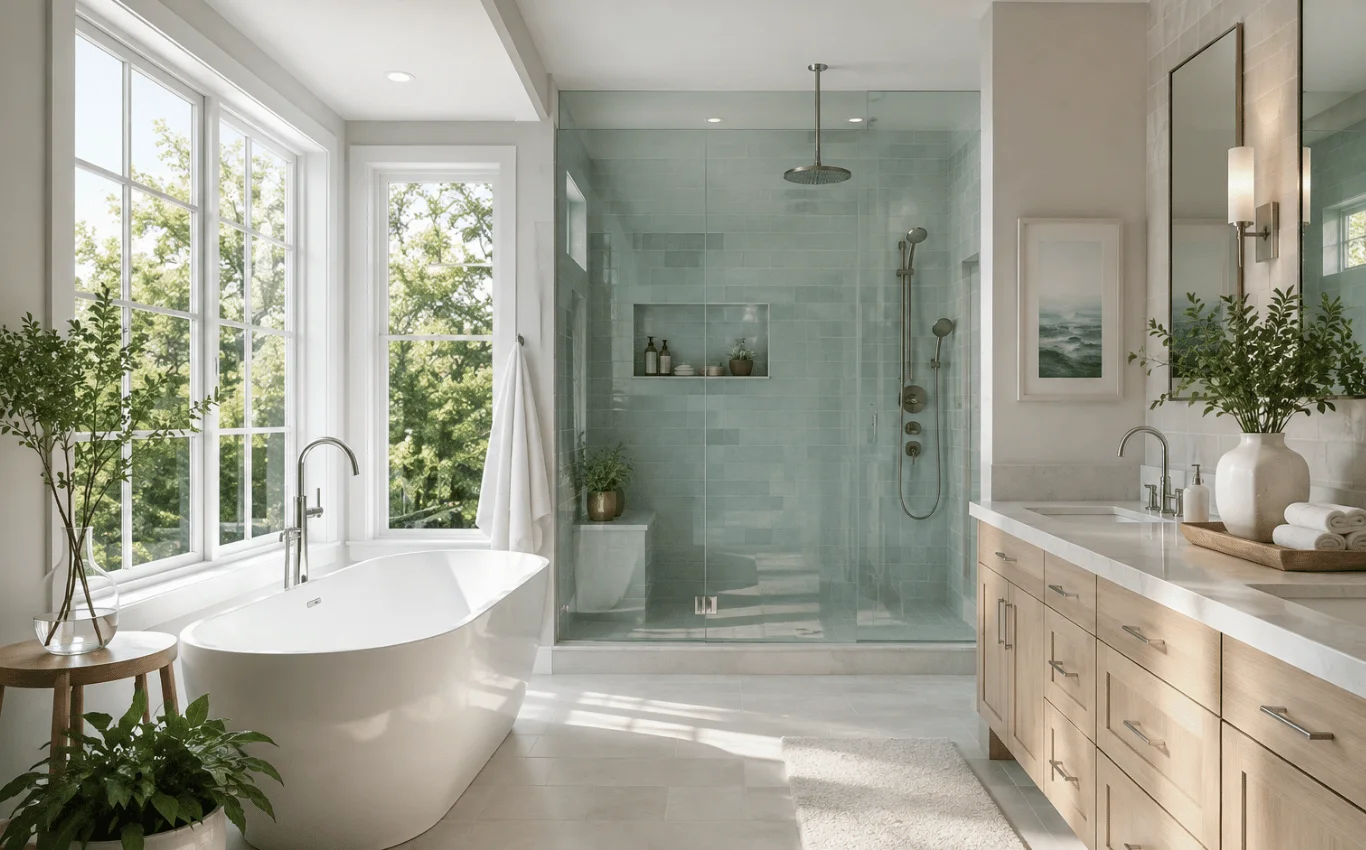
For most homeowners, the bathroom is the first space used in the morning and the last at night, yet it’s often treated as purely functional.
In reality, thoughtful design plays a powerful role in how we transition between energy and rest, turning the bathroom into a true reset space that supports daily routines rather than disrupts them.
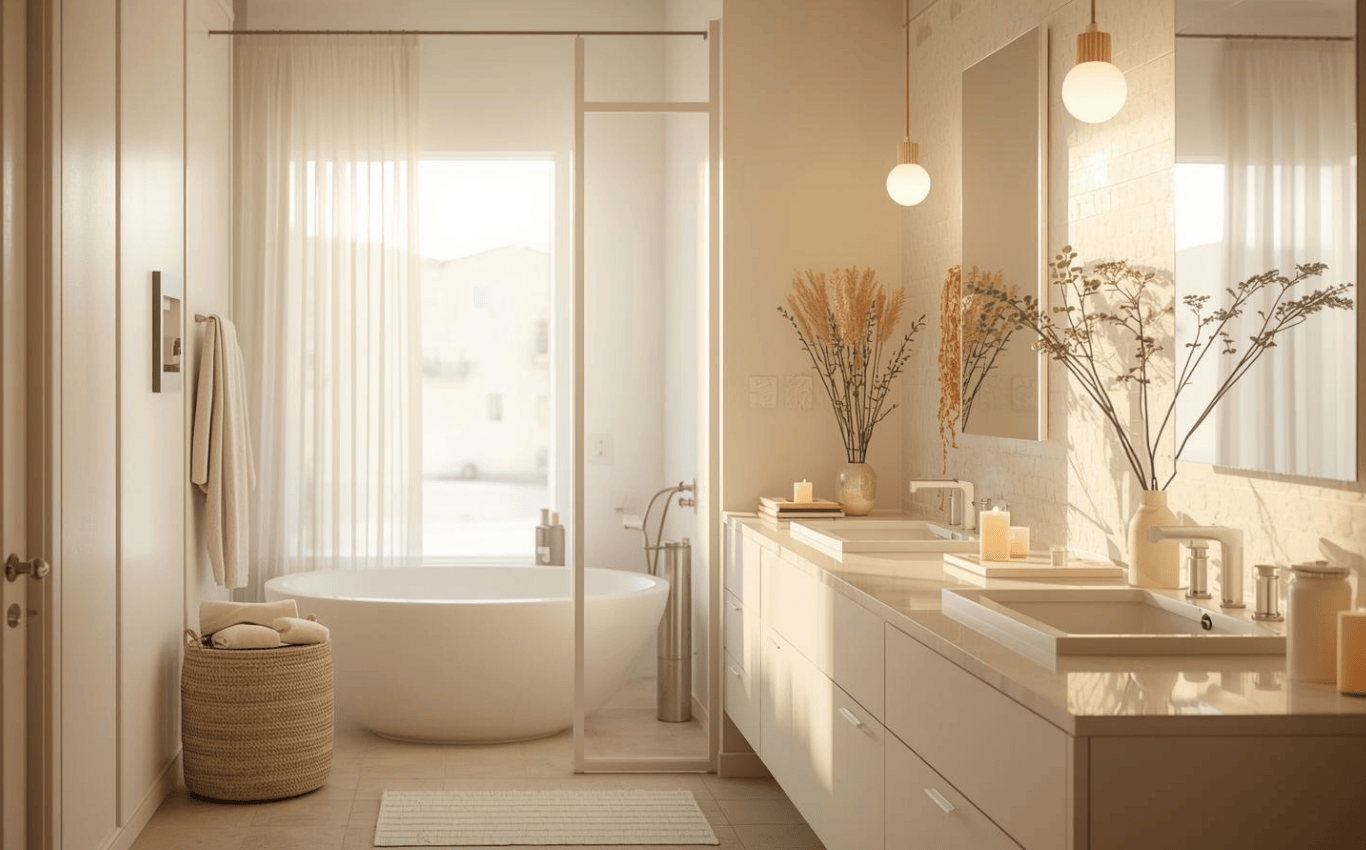
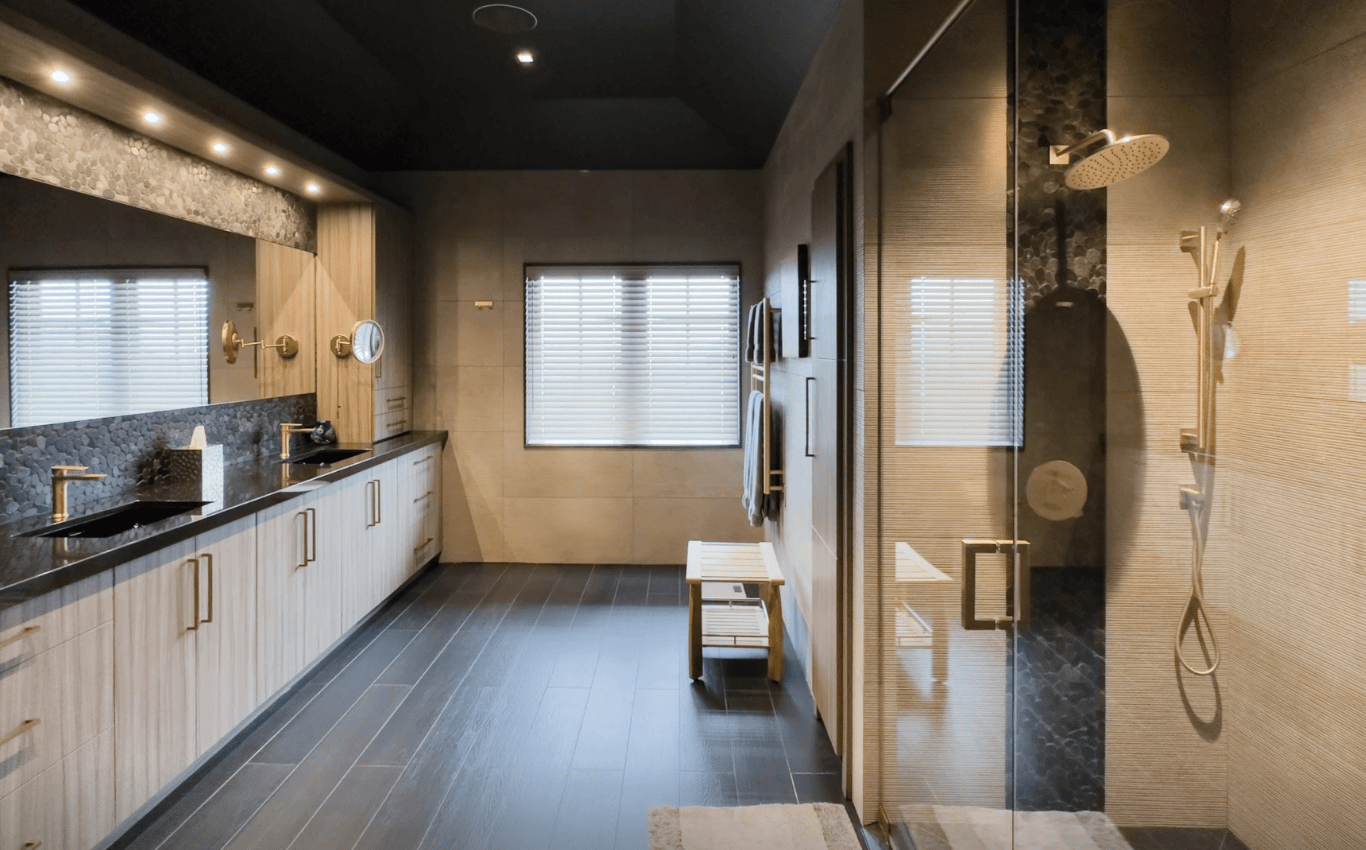
Bathrooms are uniquely personal spaces. They’re quiet, enclosed, and routine-driven - which makes them especially influential on how we feel.
Mornings are about clarity and efficiency. A bathroom that feels cluttered, poorly lit, or awkwardly laid out can create stress before the day even begins.
Design elements that support a better morning reset include:
These principles can be seen in projects like the Point Lookout | Modern Earth-Toned Bathroom, where warm finishes and clean geometry create a calm but purposeful start to the day.
At night, the bathroom becomes a place to slow down. Harsh lighting, cold materials, or visual noise can interrupt that process.
Bathrooms designed for evening calm prioritize:
This shift from stimulation to calm is what separates purely functional bathrooms from restorative ones.
Unlike kitchens, bathrooms are not shared constantly. They’re intimate, quiet, and repetitive - which makes design flaws more noticeable and good design more impactful.
This is why emotional comfort matters just as much as aesthetics in bathroom planning.
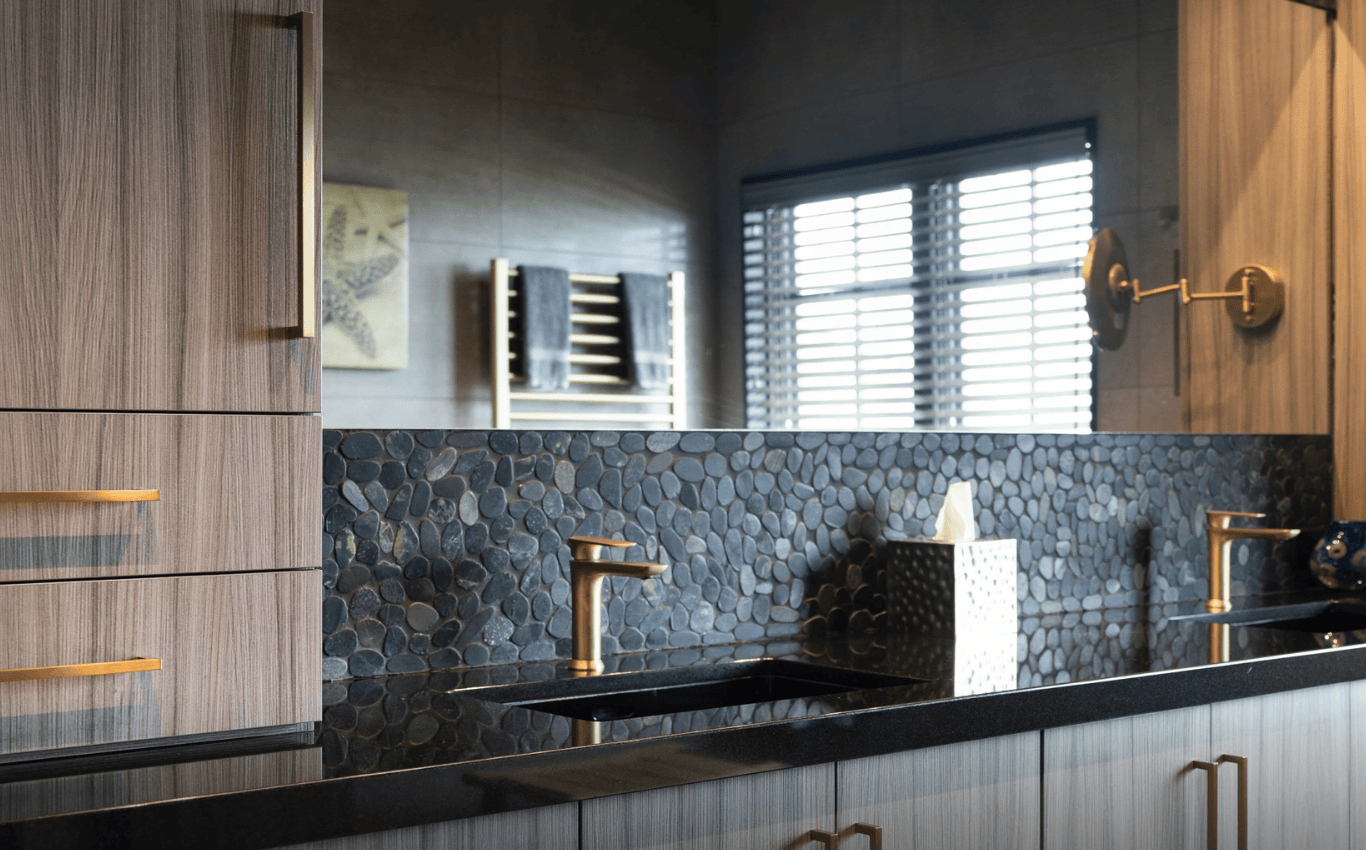
Some bathrooms feel instantly comfortable, even luxurious, without obvious extravagance. That feeling is rarely accidental.
Luxury bathrooms feel refined not because they include more features, but because the layout allows the space to breathe. Clear circulation, logical fixture placement, and visual balance help reduce clutter and create a sense of order that supports daily routines.
These principles are explored in more depth in Luxury Bathroom Layouts That Feel Open and Organized, which explains how spacing, symmetry, and flow work together to create bathrooms that feel calm rather than crowded. This approach is clearly reflected in the Point Lookout | Mosaic Elegance Bathroom, where proportion and restraint allow the layout to guide the experience of the space.
Too many materials, patterns, or competing focal points can make a bathroom feel restless.
Effortless bathrooms tend to:
The result is a space that feels calm without feeling empty.
Oversized tubs, luxury fixtures, and smart technology only work when the layout supports them. When flow is ignored, even expensive bathrooms feel frustrating.
This is why layout should always lead design - not follow it.
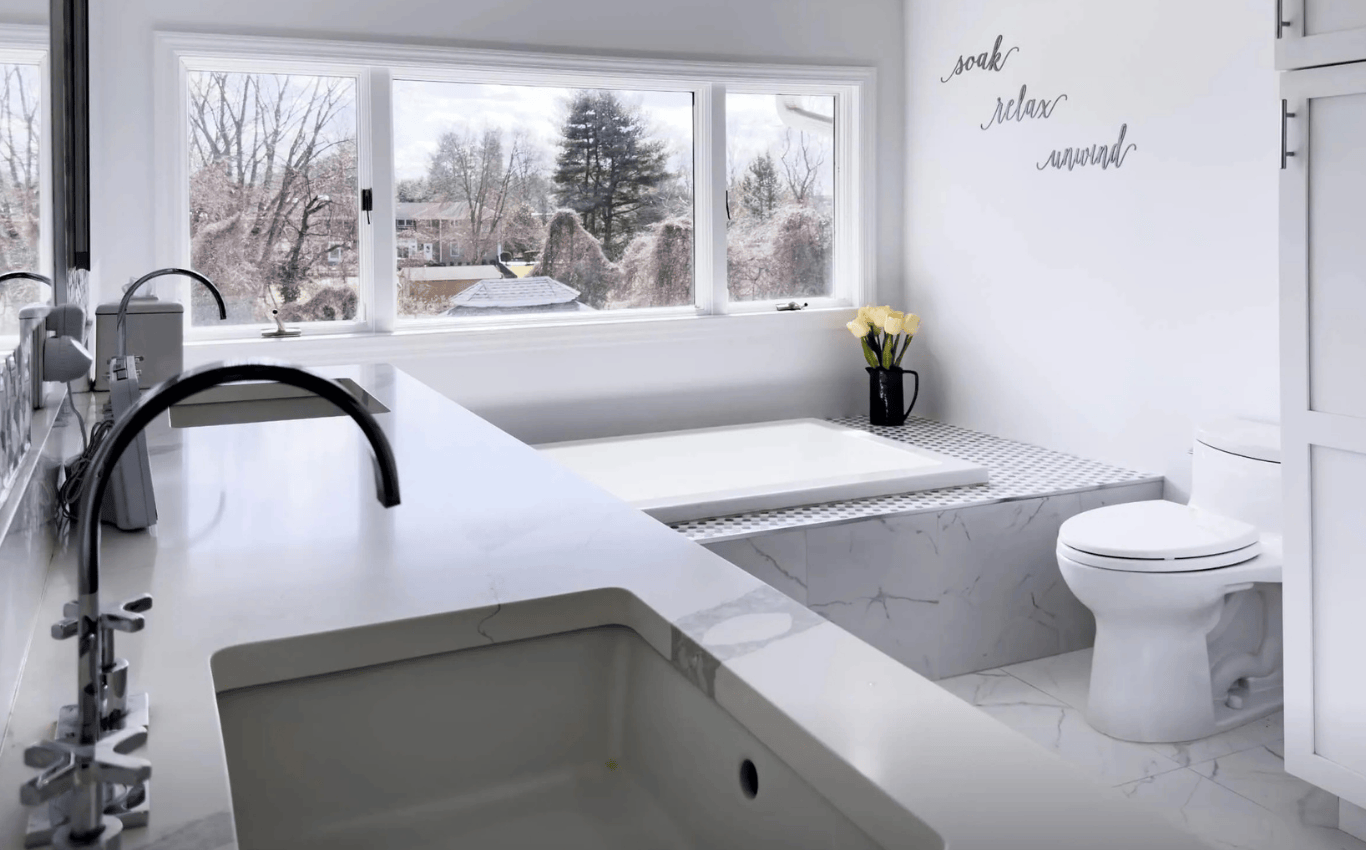
Bathrooms are increasingly designed as wellness spaces, not just utility rooms.
Water temperature, pressure, and sound all influence relaxation. Thoughtful shower design can transform a routine task into a calming ritual.
Design considerations include:
These ideas align closely with themes explored in Wellness Meets Water: The Future of Smart Bathroom Technology, where comfort and control enhance daily routines.
Bright overhead lighting is useful in the morning but disruptive at night. Layered lighting allows the space to adapt throughout the day.
Even subtle changes in light temperature can significantly affect mood and readiness for sleep.
Stone, wood tones, and matte finishes help soften the bathroom environment. Spaces like the Upper Brookville, NY | Neutral Marble Mosaic Bathrooms show how texture and tone can feel calming without feeling cold or sterile.
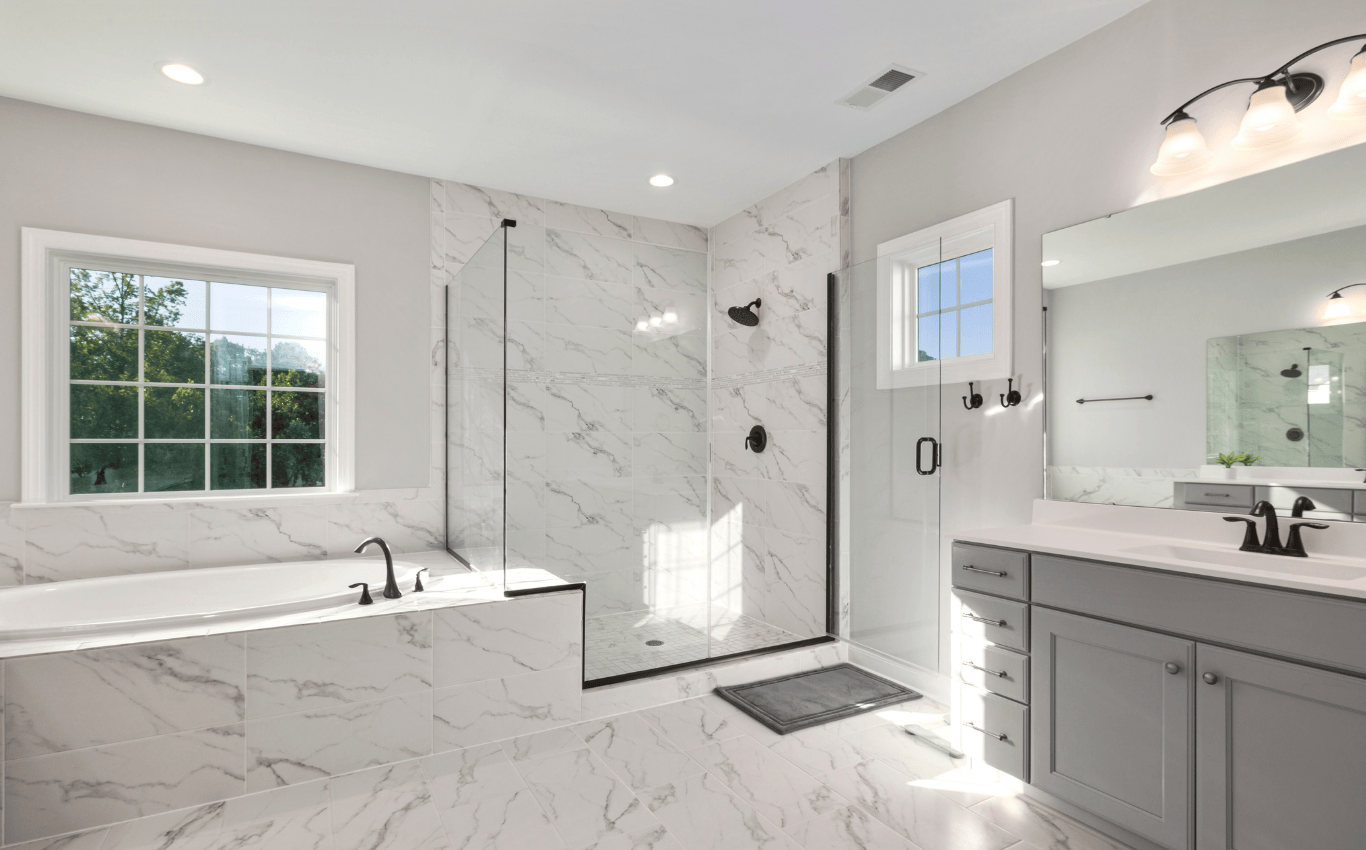
Designing a reset-focused bathroom isn’t about trends, It’s about intention.
Every homeowner’s reset looks different. Some need efficiency and clarity; others want long, quiet transitions.
Design should respond to:
Bathrooms feel more grounding when they align visually and emotionally with the rest of the home. Abrupt style changes can break the sense of calm.
Looking at real projects across the bathroom design portfolio shows how consistency strengthens the overall experience.
Bathrooms built around daily rituals tend to age better than trend-driven spaces. When function leads, aesthetics tend to follow naturally.
This long-term thinking is what makes a bathroom feel supportive year after year.
The bathroom may be one of the smallest rooms in the house, but its impact on daily life is outsized. When designed thoughtfully, it becomes more than a place to get ready, It becomes a reset button that supports clarity in the morning and calm at night.
By focusing on layout, flow, lighting, and material choices, homeowners can create bathrooms that feel effortless, restorative, and deeply personal. Good bathroom design isn’t about excess , It’s about intention.

Ready to Design a Bathroom That Works With Your Life?
Get In Touch